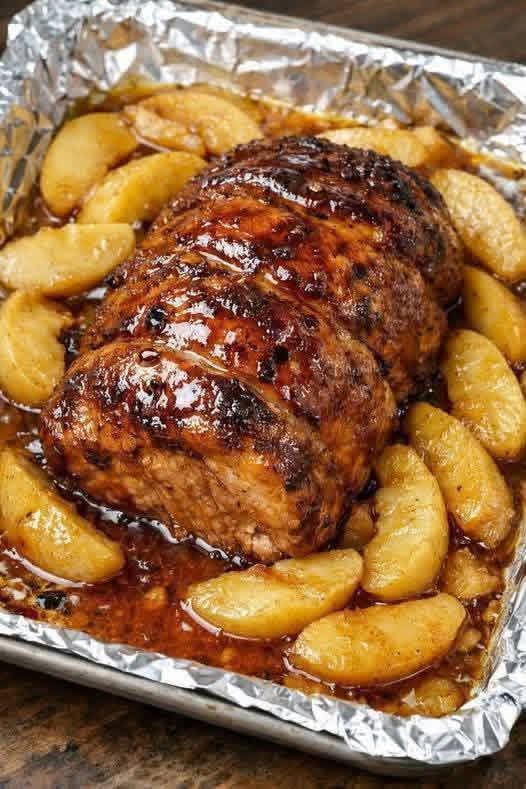
There is something deeply satisfying about a slow-cooked beef roast filling the kitchen with rich aromas of herbs, garlic, onions, and savory broth. This classic comfort meal has remained a favorite for generations because it transforms a simple cut of beef into a tender, juicy centerpiece perfect for family dinners, holiday gatherings, or cozy weekend meals.
This slow-roasted beef pot roast recipe combines a beautifully marbled chuck roast with carrots, potatoes, onions, garlic, and fragrant herbs. The beef cooks low and slow in a flavorful liquid until every bite becomes fork-tender and infused with rich homemade flavor. As the roast slowly braises in the oven, the vegetables absorb all the savory juices, creating an incredibly comforting one-pot meal.
Unlike quick cooking methods, slow roasting allows the connective tissues inside the beef to break down gradually. This creates that famous melt-in-your-mouth texture people crave in a traditional pot roast recipe. The result is juicy shredded beef, naturally thickened gravy, and vegetables packed with flavor.
Whether you are preparing a Sunday dinner, looking for an easy Dutch oven beef roast, or searching for the best homemade comfort food recipe, this dish delivers incredible results every time.
Why This Slow Cooked Beef Roast Recipe Works So Well
The secret behind an exceptional pot roast lies in the cooking technique. Tough cuts such as beef chuck roast contain collagen and connective tissue that become wonderfully soft during long cooking times. Instead of drying out, the meat turns succulent and juicy.
This recipe uses several important flavor-building methods:
- Searing the meat before roasting
- Cooking low and slow
- Using aromatic vegetables
- Adding fresh herbs
- Braising in beef broth and wine
- Allowing natural juices to create gravy
The combination creates a restaurant-quality roast beef dinner using affordable ingredients commonly found in most kitchens.
Choosing the Best Beef for Pot Roast
For the richest flavor and best texture, a well-marbled beef chuck roast is ideal. Chuck roast comes from the shoulder area of the cow and contains enough fat and connective tissue to remain juicy during long cooking periods.
Other cuts that can work include:
- Bottom round roast
- Brisket
- Rump roast
- Shoulder roast
However, chuck roast consistently produces the most tender and flavorful results for traditional pot roast recipes.
Look for beef with visible marbling throughout the meat. Those thin streaks of fat slowly melt during cooking and help keep the roast moist and delicious.
Essential Ingredients for Rich Flavor
This recipe uses simple pantry-friendly ingredients that work together beautifully.
Beef Chuck Roast
The star ingredient. A 3-pound roast provides enough meat for a generous family-style dinner while also creating delicious leftovers.
Baby Potatoes
Baby potatoes hold their shape well during slow roasting. Their creamy interior absorbs the savory cooking liquid beautifully.
Carrots
Large carrots add natural sweetness and balance the richness of the beef. Slow roasting caramelizes their sugars, enhancing flavor even more.
Yellow Onions
Onions become soft, golden, and deeply flavorful as they cook. They help create the savory base for the broth and gravy.
Garlic
Fresh smashed garlic cloves release aroma and depth into the braising liquid.
Beef Broth
High-quality beef broth creates the foundation of the cooking liquid and keeps the roast moist throughout the process.
Red Wine
Wine adds complexity and depth. It enhances the richness of the broth while balancing the hearty meat flavors. Additional broth may be substituted if preferred.
Fresh Rosemary and Thyme
Fresh herbs provide earthy aroma and elevate the entire dish with classic comforting flavor.
The Importance of Searing the Beef
One of the most important steps in making the perfect pot roast is properly searing the beef before slow cooking.
When the roast is browned in hot oil, a flavorful crust develops on the outside of the meat. This process creates deeper savory flavor through caramelization.
To achieve the best sear:
- Pat the beef dry before seasoning
- Use medium-high heat
- Avoid overcrowding the pot
- Allow each side to brown fully
- Do not move the meat too often
The browned bits left in the pot afterward are packed with flavor and become part of the delicious gravy.
Building Layers of Flavor
After searing the beef, the vegetables are lightly cooked in the same pot. This step allows the onions, carrots, and potatoes to absorb the flavorful drippings from the meat.
As the vegetables cook, they begin caramelizing slightly, creating sweetness and complexity in the final dish.
Adding garlic, broth, wine, and herbs afterward completes the flavor base for the braising liquid.
The slow oven cooking process then allows everything to blend together into a deeply savory meal.
How Slow Braising Creates Tender Beef
Braising is one of the best cooking methods for tougher cuts of meat. The roast cooks partially submerged in liquid inside a covered pot.
The moist heat gently breaks down connective tissue without drying out the beef.
For the best results:
- Keep the oven temperature low
- Cover the pot tightly
- Maintain enough liquid throughout cooking
- Cook patiently
As the roast cooks for several hours, the meat gradually softens until it can easily be pulled apart with a fork.
Tips for Perfect Pot Roast Every Time
Use a Heavy Dutch Oven
A Dutch oven distributes heat evenly and retains moisture extremely well during long cooking periods.
Let the Beef Rest at Room Temperature
Allowing the roast to sit for about 20 minutes before cooking helps it cook more evenly.
Season Generously
Large cuts of beef require sufficient seasoning to fully enhance flavor.
Keep the Lid Closed
Avoid opening the oven frequently. Trapped steam helps tenderize the roast.
Cook Until Fork Tender
Cooking times can vary depending on the size and thickness of the meat. The roast is ready when it easily shreds with a fork.
Creating Rich Homemade Gravy
One of the best parts of a classic pot roast dinner is the natural gravy formed during cooking.
As the beef and vegetables roast together, juices combine with broth and herbs to create an intensely flavorful sauce.
For a thicker consistency:
- Mix 1 tablespoon cornstarch with cold water
- Stir into the hot cooking liquid
- Simmer briefly until thickened
This creates a silky homemade gravy perfect for serving over beef, potatoes, and vegetables.
Delicious Variations to Try
Mushroom Herb Beef Roast
Add sliced mushrooms during the final hour of cooking for extra earthy flavor.
Balsamic Braised Roast
A small amount of balsamic vinegar adds subtle sweetness and richness to the broth.
Rustic Garlic Roast
Increase the garlic for a bolder savory flavor.
Shredded Beef Sandwiches
Use leftovers on toasted bread with melted cheese and gravy.
Pot Roast Tacos
Shred leftover beef and sauté with cumin, onions, and fresh lime juice for flavorful tacos.
Best Side Dishes for Pot Roast
Although this dish already includes vegetables, additional sides pair wonderfully with slow-cooked beef.
Popular serving ideas include:
- Buttered dinner rolls
- Creamy mashed potatoes
- Roasted green beans
- Steamed peas
- Fresh garden salad
- Garlic bread
- Buttered corn
These additions complete a hearty homemade comfort food meal.
How to Store Leftovers
Pot roast often tastes even better the next day because the flavors continue developing.
Refrigeration
Store leftovers in an airtight container for up to 4 days.
Freezing
Freeze shredded beef and gravy for up to 3 months.
Reheating
Warm slowly on the stovetop or in the oven with extra broth to maintain moisture.
Nutritional Benefits of Beef Pot Roast
This comforting meal also provides important nutrients.
High-Quality Protein
Beef supports muscle maintenance and helps keep you full longer.
Iron
Red meat contains heme iron, which supports healthy blood cells and oxygen transport.
Vitamin B12
Beef provides vitamin B12, essential for energy production and nervous system function.
Zinc
Zinc helps support immune health and overall wellness.
Vegetables and Fiber
Carrots and potatoes contribute vitamins, minerals, and dietary fiber.
Common Mistakes to Avoid
Cooking at Too High a Temperature
High heat can make the roast dry and tough instead of tender.
Not Using Enough Liquid
The braising liquid keeps the roast moist during cooking.
Skipping the Sear
Browning the meat adds major flavor to the final dish.
Under-Cooking the Roast
Tough meat usually needs more cooking time rather than less.
Why This Recipe Is Perfect for Family Gatherings
Slow-cooked beef roast is ideal for feeding a crowd because it is:
- Easy to prepare
- Rich in flavor
- Budget-friendly
- Comforting and filling
- Excellent for leftovers
Since most of the cooking happens in the oven, it also leaves plenty of time to prepare side dishes or spend time with family.
Final Thoughts
This slow-roasted beef pot roast recipe transforms simple ingredients into an unforgettable homemade meal. Tender beef, hearty vegetables, rich gravy, and aromatic herbs create the ultimate comfort food experience.
Whether served for a cozy Sunday dinner, holiday gathering, or cold-weather family meal, this classic beef roast recipe always delivers warmth and satisfaction.
With its juicy fork-tender texture and deeply savory flavor, this dish proves that patient slow cooking remains one of the best ways to prepare beef.
Part 2: Easy Step-by-Step Recipe
Slow-Cooked Beef Pot Roast with Herbs and Vegetables
Ingredients
- 3 lb well-marbled beef chuck roast
- 1 lb baby potatoes, cut in halves
- 4 large carrots, sliced into thick pieces
- 2 large yellow onions, cut into thick slices
- 3 tablespoons olive oil
- 4 garlic cloves, lightly crushed
- 2 cups rich beef broth
- ½ cup red wine (optional, or replace with extra broth)
- 2 sprigs fresh rosemary
- 3 sprigs fresh thyme
- Salt and coarse black pepper as needed
Instructions
- Heat oven to 325°F (160°C).
- Pat the beef dry and season generously with salt and black pepper.
- Warm olive oil in a large Dutch oven or heavy oven-safe pot over medium-high heat.
- Sear the beef on all sides until a deep golden-brown crust forms.
- Remove the roast temporarily and add onions, carrots, and potatoes to the pot. Cook for several minutes until lightly browned.
- Return the beef to the pot with the vegetables.
- Add garlic, beef broth, red wine, rosemary, and thyme.
- Ensure the liquid reaches about halfway up the roast.
- Cover tightly with a lid or foil.
- Transfer to the oven and cook for 3 to 4 hours until the beef becomes fork-tender.
- For thicker gravy, combine 1 tablespoon cornstarch with a little cold water and stir into the hot cooking liquid during the final few minutes.
- Serve warm with vegetables and spoon extra gravy over the top.
Helpful Variations
Mushroom Version
Add 8 oz sliced mushrooms during the final hour of roasting.
Tangy Balsamic Flavor
Stir 2 tablespoons balsamic vinegar into the broth mixture.
Leftover Beef Tacos
Shred leftover roast beef and sauté with onions, cumin, and fresh lime juice.
Expert Tips
- Slow cooking is the key to tender beef.
- Keep the pot tightly covered during roasting.
- Place the roast fat-side up for natural basting.
- If the beef still feels firm, continue cooking another 20–30 minutes.
Approximate Nutrition Per Serving
- Calories: 450 kcal
- Protein: 38 g
- Carbohydrates: 22 g
- Fat: 24 g
- Iron: Approximately 25% Daily Value