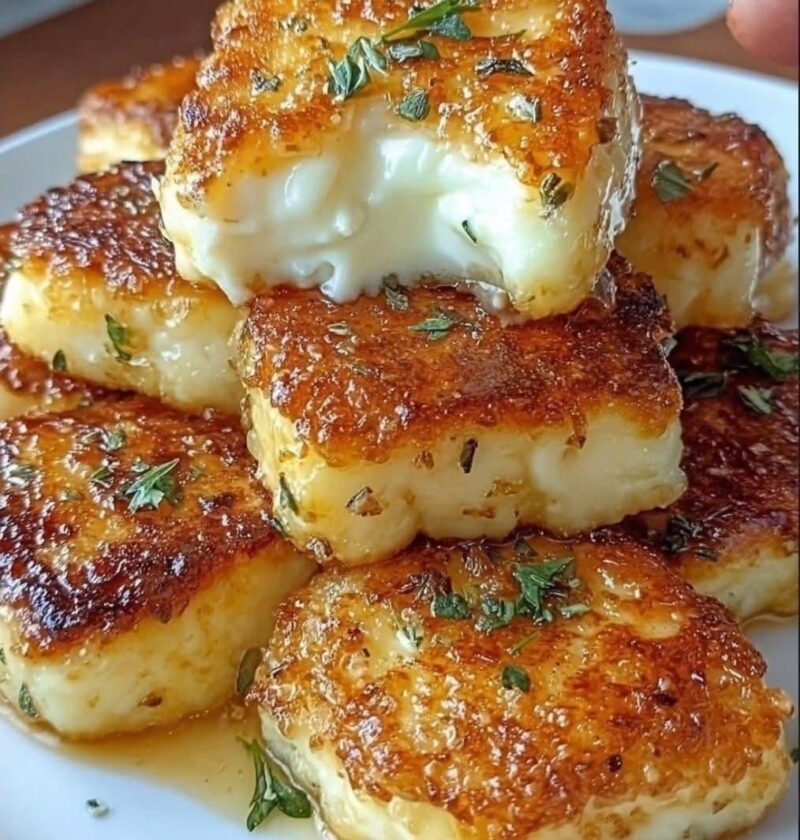
Few ingredients can transform a simple meal into something memorable quite like halloumi cheese. Known for its distinctive texture, rich savory flavor, and impressive cooking versatility, halloumi has become one of the most popular ingredients in modern Mediterranean cooking. Whether served as a quick appetizer, a protein-packed snack, or a flavorful addition to salads and wraps, this unique cheese offers an irresistible combination of crispiness and chewiness that food lovers around the world enjoy.
What makes halloumi truly remarkable is its ability to withstand high heat without melting. Instead of turning soft and runny like many other cheeses, it develops a beautifully golden exterior while maintaining a warm, tender center. This characteristic has made crispy halloumi a favorite ingredient among home cooks, food bloggers, and restaurant chefs alike.
If you’re searching for an easy Mediterranean cheese recipe that delivers gourmet flavor with minimal effort, pan-fried halloumi deserves a place on your menu. In this complete guide, you’ll discover everything from selecting quality halloumi and preparing it properly to serving suggestions, nutritional information, flavor enhancements, storage tips, and expert cooking advice.
Discovering the Charm of Halloumi Cheese
Halloumi is a traditional cheese that originated in Cyprus and has been enjoyed for generations throughout the Mediterranean region. Traditionally crafted from sheep’s milk and goat’s milk, many modern varieties also include cow’s milk, creating a slightly milder flavor while preserving the cheese’s signature texture.
Unlike soft cheeses that melt quickly under heat, halloumi has a naturally high melting point. This unique feature allows it to be grilled, pan-fried, roasted, or baked while retaining its shape. The result is a wonderfully crispy outer layer and a pleasantly chewy interior.
Its mildly salty taste and satisfying bite make it an excellent ingredient for countless recipes. From healthy salads to hearty sandwiches and breakfast plates, halloumi easily adapts to different cuisines and serving styles.
Why Halloumi Has Become a Global Food Trend
Over the last few years, halloumi has gained widespread popularity among food enthusiasts and health-conscious eaters. Several qualities contribute to its growing reputation.
Excellent Source of Vegetarian Protein
Many people seek protein-rich alternatives to meat, and halloumi offers a convenient solution. Its protein content helps create satisfying meals that keep you feeling fuller for longer.
Naturally Gluten-Free
For those following gluten-free lifestyles, halloumi can be enjoyed without modification, making it a versatile ingredient for various dietary preferences.
Compatible with Low-Carb Eating Plans
Because halloumi contains relatively few carbohydrates, it fits well into many low-carb and keto-friendly meal plans.
Rich in Essential Minerals
Halloumi contains calcium and other nutrients that contribute to overall health, particularly bone maintenance and muscle function.
Fast and Convenient to Prepare
One of the biggest advantages of halloumi is its simplicity. In just a few minutes, a block of cheese can be transformed into a restaurant-quality dish.
How to Select High-Quality Halloumi Cheese
Choosing the right halloumi can significantly influence the final result of your dish. While many varieties are available in supermarkets and specialty food stores, there are several indicators of quality worth considering.
Look for firm blocks packaged in brine, as this helps preserve freshness and texture. The cheese should feel dense yet slightly springy when gently pressed. A clean dairy aroma is desirable, while strong sour odors may indicate aging or spoilage.
Authentic halloumi often possesses a pleasantly salty flavor profile. Some modern brands create milder versions that appeal to a broader audience, making them ideal for those who prefer less saltiness.
When possible, read ingredient labels carefully and select products made with traditional milk combinations for a more authentic Mediterranean experience.
Preparing Halloumi for the Best Results
Although cooking halloumi is straightforward, proper preparation can make a noticeable difference in texture and appearance.
Cut Uniform Slices
Even slices promote consistent cooking. Pieces approximately one-quarter inch thick generally provide the ideal balance between crispness and tenderness.
Remove Surface Moisture
Patting the cheese dry with paper towels is a simple but important step. Excess moisture can interfere with browning and prevent the formation of a crisp crust.
Use the Proper Cooking Surface
Non-stick skillets and cast-iron pans are excellent choices because they distribute heat evenly and encourage beautiful caramelization.
Avoid Crowding the Pan
Each slice should have enough space around it. Overcrowding creates steam, which can reduce crispiness and lead to uneven browning.
The Science Behind Perfectly Crispy Halloumi
One of the most fascinating aspects of halloumi is how it reacts to heat. As the cheese comes into contact with a hot cooking surface, moisture on the exterior evaporates while proteins and natural sugars undergo browning reactions.
This process creates the attractive golden crust that halloumi lovers crave. At the same time, the center warms gently, becoming soft and slightly stretchy without collapsing.
Achieving this contrast between crispy and tender textures requires proper heat management. Medium-high heat is generally ideal because it allows rapid browning without overcooking the interior.
A common mistake is moving the cheese too frequently. Allowing each side to cook undisturbed encourages a more uniform crust and improves overall presentation.
Essential Tips for Golden-Brown Halloumi Every Time
A few professional techniques can elevate your results considerably.
- Heat the olive oil before adding the cheese.
- Place slices carefully into the pan without overlapping.
- Cook until a rich golden color develops.
- Turn each slice only once.
- Avoid pressing down on the cheese while cooking.
- Serve immediately after frying for the best texture.
These small details help maximize flavor and maintain halloumi’s signature consistency.
Creative Flavor Enhancements
While classic fried halloumi is delicious on its own, there are many ways to customize the flavor.
Mediterranean Herb Blend
Fresh or dried herbs such as oregano, thyme, rosemary, and basil complement halloumi beautifully. Adding herbs during cooking infuses subtle aromatic notes into the dish.
Chili and Paprika Seasoning
For those who enjoy heat, a light dusting of chili flakes, smoked paprika, or crushed red pepper can introduce a pleasant spicy kick.
Garlic-Infused Oil
Gently sautéing garlic in olive oil before frying the cheese creates a deeper and more complex flavor profile.
Sweet Finishing Touches
Honey, maple syrup, or date syrup can create an appealing contrast between sweet and salty elements.
Bright Citrus Notes
Fresh lemon juice or lemon zest adds brightness and helps balance the richness of the cheese.
Delicious Ways to Serve Crispy Halloumi
One reason halloumi remains so popular is its versatility. It can be incorporated into meals throughout the day.
Fresh Mediterranean Salads
Golden halloumi pairs exceptionally well with leafy greens, cucumbers, tomatoes, watermelon, mint, and citrus dressings. The contrast between crisp vegetables and warm cheese creates a satisfying combination.
Sandwiches and Wraps
Layer halloumi inside pita bread, flatbreads, or wraps alongside roasted vegetables, hummus, lettuce, and tomatoes for a filling vegetarian lunch.
Appetizer Platters
Serve halloumi with olives, fresh vegetables, yogurt-based dips, and warm bread for an inviting Mediterranean-inspired appetizer spread.
Fruit Pairings
Sweet fruits such as figs, peaches, grapes, strawberries, and berries provide a delicious contrast to the cheese’s savory character.
Breakfast Plates
Halloumi works wonderfully alongside eggs, grilled tomatoes, mushrooms, avocado, and toast, creating a balanced morning meal.
Grain Bowls
Add crispy halloumi to quinoa, couscous, bulgur, or rice bowls for extra flavor and protein.
Nutritional Benefits of Halloumi Cheese
Halloumi offers several nutritional advantages when enjoyed as part of a balanced eating plan.
Protein Support
Protein contributes to muscle maintenance and can help promote satiety after meals.
Calcium Content
Calcium plays an important role in maintaining strong bones and teeth.
Energy-Producing Fats
The natural fats found in halloumi provide energy and contribute to its rich texture and flavor.
Convenient Meat-Free Option
Vegetarians often appreciate halloumi as a satisfying alternative to meat-based proteins.
Like many cheeses, halloumi also contains sodium and saturated fat, making moderation important for overall dietary balance. Pairing it with vegetables, fruits, and whole grains can help create nutritious meals.
Common Errors That Affect Texture and Flavor
Even simple recipes can be impacted by avoidable mistakes.
Using Insufficient Heat
Low temperatures may cause halloumi to become rubbery rather than crispy.
Skipping the Drying Step
Surface moisture prevents proper browning and reduces crispness.
Overcrowding the Cooking Surface
Too many slices in the pan at once can trap steam and interfere with caramelization.
Overcooking
Excessive cooking can toughen the cheese and diminish its pleasant chewiness.
Constant Turning
Repeated flipping interrupts crust formation and may damage the cheese’s appearance.
Storing Leftover Halloumi
Freshly cooked halloumi provides the best texture, but leftovers can still be enjoyed if stored correctly.
Allow the cheese to cool completely before transferring it to an airtight container. Refrigerate and consume within two days for optimal quality.
When reheating, a dry skillet works best because it helps restore some of the original crispness. Microwave reheating is generally less effective and may alter the texture.
Why Halloumi Deserves a Place in Your Kitchen
Halloumi’s popularity is well deserved. It combines convenience, flavor, versatility, and visual appeal in a way few ingredients can match.
With only a handful of ingredients and a few minutes of cooking time, you can create a dish that feels sophisticated enough for entertaining guests yet simple enough for everyday meals.
Its ability to pair with vegetables, grains, fruits, breads, and breakfast foods makes it one of the most adaptable ingredients in Mediterranean cuisine.
Final Words
Crispy pan-fried halloumi proves that extraordinary flavor doesn’t require complicated techniques. A hot skillet, quality olive oil, and a few minutes of cooking are all it takes to transform this traditional Mediterranean cheese into a golden, savory masterpiece.
Whether you’re preparing a quick snack, building a healthy salad, assembling a mezze platter, or creating a protein-rich vegetarian meal, halloumi offers endless possibilities. Its crisp exterior, warm center, and rich flavor make every bite memorable.
The next time you’re looking for an easy yet impressive dish, reach for halloumi cheese and enjoy one of the Mediterranean’s most beloved culinary treasures.
Quick Pan-Fried Halloumi Cheese
Ingredients
- Halloumi cheese, cut into ¼-inch (6 mm) thick slices
- Olive oil
- Freshly ground black pepper (optional)
Optional Authentic Additions
- Fresh lemon wedges
- Dried oregano
- Chili flakes
- Fresh thyme leaves
- A light drizzle of honey
Method
Step 1: Prepare the Cheese
Slice the halloumi into even pieces. Use paper towels to gently pat both sides dry, removing excess moisture.
Step 2: Heat the Pan
Place a non-stick skillet or cast-iron pan over medium-high heat. Add a small amount of olive oil and allow it to become hot and shimmering.
Step 3: Fry the Halloumi
Arrange the halloumi slices in a single layer, leaving space between each piece. Cook for 2–3 minutes until the underside develops a golden-brown crust.
Step 4: Turn Once
Flip each slice carefully and cook for another 2–3 minutes until both sides are crisp and beautifully browned.
Step 5: Serve Immediately
Transfer to a serving plate. Sprinkle with black pepper, oregano, or chili flakes if desired. Serve while hot and crispy.
Serving Suggestions
- Toss into fresh Mediterranean salads
- Add to pita sandwiches and wraps
- Serve with watermelon, figs, or berries
- Pair with eggs and grilled vegetables for breakfast
- Include on a mezze platter with olives and dips
- Drizzle lightly with honey and lemon juice for a sweet-savory twist
Recipe Notes
- Do not overcrowd the pan.
- Avoid flipping multiple times.
- Medium-high heat produces the best crispy texture.
- Halloumi is best enjoyed immediately after cooking.