Classic Moist Fruit Cake That Stays Soft, Rich, and Flavorful
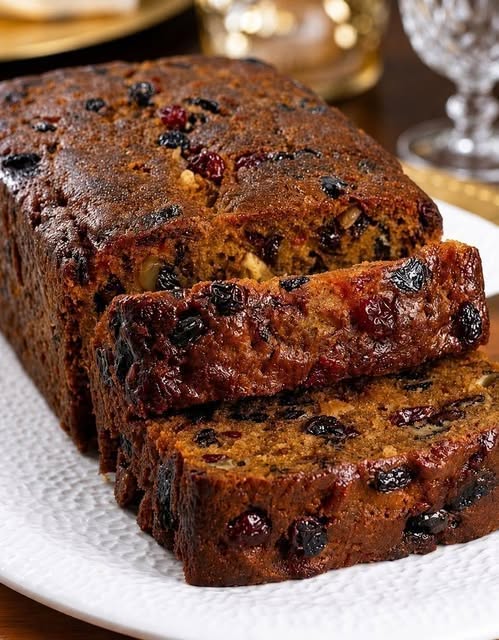
There is something wonderfully comforting about a traditional homemade fruit cake. With its golden-brown crust, tender center, colorful dried fruits, crunchy nuts, and gentle blend of warm spices, this Classic Moist Fruit Cake is the kind of dessert that feels perfect for almost any occasion.
Unlike very heavy fruit cakes that can sometimes turn out dry or overly firm, this homemade version is prepared with a simple technique that helps keep the cake pleasantly moist. The dried fruits are gently heated with orange juice and water before they are added to the batter. This gives the fruit time to soften and absorb moisture, resulting in juicy pieces of raisins, currants, cranberries, dates, and apricots throughout the finished cake.
The cake itself combines butter, brown sugar, granulated sugar, eggs, vanilla, orange zest, and buttermilk. Warm cinnamon, nutmeg, and cloves add the familiar flavor associated with a traditional fruit cake, while pecans or walnuts provide a delicious contrast to the soft fruit.
Whether you are preparing a holiday fruit cake, afternoon tea dessert, Christmas treat, or homemade cake for a family gathering, this recipe is simple enough to make without complicated decorating techniques.
Why This Homemade Fruit Cake Is So Special
The beauty of this recipe comes from the balance between its ingredients. The dried fruit brings natural sweetness and chewy texture, while butter creates richness in the crumb. Brown sugar contributes a deeper caramel-like flavor, and orange zest gives the cake a fresh citrus aroma.
The spices are deliberately warm rather than overpowering. Cinnamon provides the main spiced note, nutmeg adds depth, and a small amount of cloves gives the cake its traditional bakery-style character.
Another important part of this moist fruit cake recipe is the buttermilk. It adds moisture to the batter and helps create a soft texture. Because fruit cakes contain a generous amount of dried fruit and nuts, the batter needs enough moisture to produce a pleasant crumb instead of a dry or overly compact cake.
The result is a cake that is substantial enough to feel traditional but tender enough to enjoy with a cup of tea or coffee.
The Secret Begins With the Dried Fruit
One of the most useful techniques in this recipe is preparing the dried fruit before mixing the cake batter.
Raisins, currants, cranberries, dates, and dried apricots naturally contain less moisture than fresh fruit. If they are added directly to a cake batter, they can sometimes absorb moisture from the surrounding cake while baking. That can leave the fruit firmer and the cake less tender.
Heating the fruit with orange juice, water, and brown sugar gives the dried fruit an opportunity to absorb additional moisture before baking.
For this recipe, the fruit mixture is gently simmered for about five minutes. It does not need aggressive boiling. The goal is simply to warm the fruit and allow it to soften.
If you have enough time, you can prepare the fruit mixture several hours before baking and let it sit while it cools. A longer resting period allows the fruit to become especially plump and flavorful.
This general approach of soaking dried fruit before making fruit cake is also used in established fruitcake recipes from professional baking sources.
The most important point is to let the fruit cool completely before it goes into the cake batter. Hot fruit can interfere with the texture of the batter and may begin melting or softening the butter.
Orange Adds Brightness to a Rich Cake
Fruit cake can contain many rich ingredients, so citrus is an excellent way to create balance.
This recipe uses orange juice in the fruit mixture and fresh orange zest in the cake batter. The juice helps soften the dried fruit, while the zest contributes concentrated citrus fragrance.
Orange works particularly well with cranberries, apricots, raisins, cinnamon, and nuts. Even though this is a richly flavored cake, the orange keeps the overall taste from becoming flat or excessively heavy.
When grating the orange zest, try to remove only the bright outer skin. The white layer underneath can taste bitter, so avoid grating too deeply.
Choosing the Right Baking Pan
This recipe can be baked in either a 9-inch loaf pan or a deep 8-inch round cake pan.
A loaf pan is especially convenient if you want the finished cake to have a classic tea-loaf appearance. It also makes the cake easy to slice into neat portions.
A round pan creates a more traditional celebration-cake shape and works beautifully when you want to serve the fruit cake as part of a dessert table.
Whichever pan you choose, parchment paper is highly recommended. Line both the bottom and sides and leave a little overhang. This makes removing the finished cake much easier.
Because this is a moist, fruit-filled cake, you do not want to struggle with lifting it from the pan after baking.
How the Spiced Cake Batter Comes Together
Once the fruit has cooled and the baking pan is ready, the batter can be prepared.
Start by combining the flour, baking powder, baking soda, salt, cinnamon, nutmeg, and cloves.
Whisking the dry ingredients together before adding them to the wet mixture is important. It helps distribute the leavening agents and spices throughout the flour.
This means you are less likely to get one section of cake with too much cinnamon or another section without enough baking powder.
The spice mixture gives this traditional fruit cake recipe its warm homemade flavor. Cinnamon is the strongest of the three spices, while nutmeg and cloves add background depth.
Creaming the Butter and Sugar Properly
The butter should be softened rather than melted.
Place the softened butter in a large mixing bowl with brown sugar and granulated sugar. Beat them together for approximately three to four minutes.
As you mix, the butter and sugar should become lighter in color and creamy in texture.
This step is more than simply combining ingredients. Properly creaming the butter and sugar helps create a lighter cake structure by incorporating air into the mixture.
Once the butter mixture looks fluffy, add the eggs individually. Beat well after each egg is added.
Adding the eggs one at a time helps them incorporate smoothly into the butter and sugar mixture.
Next, add vanilla extract and orange zest. These two ingredients provide a fragrant flavor foundation for the cake.
Adding Flour Without Making the Cake Tough
When the dry ingredients are ready, it is time to combine them with the butter mixture.
Rather than adding all the flour at once, gradually incorporate the dry mixture while alternating it with buttermilk.
A simple pattern is:
- Add one-third of the flour mixture.
- Add half of the buttermilk.
- Add another portion of flour.
- Add the remaining buttermilk.
- Finish with the remaining flour.
Mix gently after each addition.
The key here is to avoid excessive mixing once the flour has been incorporated. Overmixing can develop too much gluten and make the finished cake heavier than necessary.
For a soft homemade fruit cake, mix only until the batter comes together.
Folding in the Fruit and Nuts
Once the batter is ready, make sure your cooked fruit mixture has cooled completely.
If there is a large quantity of liquid remaining, you can drain a small amount. The fruit should be moist and juicy, but it should not be swimming in liquid.
Add the prepared fruit along with the chopped pecans or walnuts.
A spatula is ideal for this stage because it allows you to fold the ingredients into the batter without aggressively mixing them.
Take your time and distribute the fruit throughout the mixture. Even distribution is important because nobody wants to cut into a beautiful fruit cake and find that all the dried fruit has collected in one area.
The nuts should also be spread evenly so every slice gets a little crunch.
Getting the Cake Into the Pan
Transfer the finished batter into your parchment-lined pan.
Use a spatula to spread it evenly from edge to edge. The batter will be relatively substantial because it contains a considerable amount of dried fruit and nuts.
Gently tap the pan against the countertop once or twice. This can help release larger trapped air pockets.
Do not repeatedly bang the pan, however. A couple of gentle taps are enough.
Smooth the top with your spatula before placing the cake into the oven.
Baking a Moist Fruit Cake at the Right Temperature
Preheat the oven to 325°F (165°C) before baking.
Place the cake in the center of the oven and bake for approximately 70 to 90 minutes.
The exact time can vary depending on the baking pan, oven, and depth of the batter.
Start checking the cake around the 70-minute mark. Insert a wooden skewer or toothpick into the center. If it comes out clean or with a few moist crumbs, the cake is ready.
Do not rely entirely on the color of the crust. A fruit cake can become beautifully golden on the outside before the center is completely baked.
If the top begins to brown too quickly, loosely cover it with aluminum foil and continue baking.
This simple technique protects the surface while giving the center additional time to cook.
Fruitcake recipes commonly use relatively moderate oven temperatures and longer baking times because the batter is dense with fruit and nuts.
Cooling Is Part of the Recipe
When the cake has finished baking, resist the temptation to cut it immediately.
Allow it to remain in the pan for about 15 to 20 minutes. This gives the structure time to settle and makes the cake easier to remove.
After that, carefully lift it out using the parchment-paper overhang and transfer it to a wire rack.
Let the cake cool completely.
A moist fruit cake contains soft fruit throughout its center, so cutting it while it is still extremely hot can cause the slices to crumble or lose their shape.
For an even better texture, allow the cake to rest for several hours before serving.
The spices and citrus flavors have more time to blend together as the cake rests.
A Simple Orange Glaze for Extra Flavor
The cake is delicious without any topping, but an orange glaze can give it a polished finishing touch.
To make the optional glaze, combine powdered sugar with orange juice and vanilla extract.
Whisk until smooth.
If the glaze is too thick to drizzle, add a few drops of orange juice. If it becomes too thin, add a little more powdered sugar.
Wait until the fruit cake is completely cool before adding the glaze.
Drizzle it over the top and allow it to sit for approximately 15 minutes so the glaze can set.
The light citrus topping provides a sweet contrast to the spiced fruit-filled cake.
Easy Tips for Keeping Fruit Cake Moist
If your goal is a moist homemade fruit cake, a few simple details make a noticeable difference.
Give the Dried Fruit Enough Moisture
The fruit-soaking step should not be skipped. Heating the dried fruit with orange juice and water helps soften it before it enters the oven.
Keep Your Ingredients at Room Temperature
Softened butter and room-temperature eggs generally combine more smoothly than ingredients taken directly from the refrigerator.
This helps create a cohesive batter.
Avoid Overworking the Batter
Once flour enters the bowl, switch to gentle mixing. Stop as soon as everything is incorporated.
Don’t Rush the Baking
A moderate oven temperature is helpful for a dense fruit cake. If you use excessive heat, the outside may become too dark before the center is properly baked.
Use Foil When Necessary
If the surface is becoming too brown, loosely tent the cake with aluminum foil.
Do not press the foil onto the batter. Simply create a loose cover over the top.
Let the Cake Rest Before Slicing
Freshly baked fruit cake is fragile. Cooling and resting allow the crumb to become more stable.
Professional fruitcake recipes likewise emphasize cooling completely before wrapping or serving.
Ways to Personalize This Traditional Fruit Cake
Although this recipe has a classic flavor profile, there are several ways to make it your own.
For additional citrus character, you can use lemon juice in place of part of the orange juice and include additional citrus zest.
If you are preparing a nut-free dessert, the pecans or walnuts can simply be omitted.
For a slightly more almond-forward flavor, almond extract can be added alongside the vanilla. Keep in mind that this would technically introduce an additional ingredient, so use it only if you are comfortable making that optional adjustment.
You can also experiment with other dried fruit combinations in future batches, such as dried cherries or additional apricots.
The important thing is to maintain the overall balance of fruit, batter, and moisture.
Serving Ideas for Every Occasion
This easy fruit cake recipe is versatile enough for everyday serving as well as celebrations.
For a simple afternoon snack, cut it into thick slices and serve with tea or coffee.
For a holiday dessert table, arrange thin slices on a platter alongside cookies, brownies, pastries, and other homemade desserts.
A light dusting of powdered sugar gives the cake an elegant appearance without making it overly sweet.
For a more indulgent dessert, serve a warm slice with whipped cream or vanilla ice cream.
The orange glaze is another excellent option when you want a slightly more decorative presentation.
How to Store Homemade Fruit Cake
Allow the cake to cool completely before storing it.
Wrap it tightly in plastic wrap or place it inside an airtight container. If your kitchen is cool and dry, the cake can be kept at room temperature for several days.
For longer storage, refrigerate it in a well-sealed container.
Individual slices can also be wrapped separately and frozen in a freezer-safe container.
When you are ready to enjoy a frozen slice, allow it to thaw at room temperature.
Proper wrapping is particularly important because even a naturally moist cake can eventually lose moisture when exposed to air.
Established fruitcake guidance also recommends keeping fully cooled cakes tightly wrapped for storage.
Making Mini Fruit Cakes
This recipe can also be adapted into smaller individual cakes.
Divide the prepared batter among smaller loaf or Bundt-style pans, but remember that smaller cakes generally require less baking time.
Begin checking them earlier than you would check a full-size cake.
The same skewer test applies: the center should be baked through, with a tester coming out clean or carrying only a few moist crumbs.
Mini fruit cakes are especially useful for gifting during holidays, family celebrations, tea parties, and special occasions.
Why This Is a Great Holiday Fruit Cake
A good holiday fruit cake should have layers of flavor, and this recipe delivers them without requiring complicated ingredients.
The dried cranberries provide bright color and a pleasant tart-sweet flavor. Raisins and currants bring classic fruitcake character, while dates and apricots contribute softness and natural sweetness.
Pecans or walnuts add texture.
Brown sugar gives the cake a deeper flavor, while orange juice and zest add freshness.
Finally, cinnamon, nutmeg, and cloves create that warm aroma associated with traditional holiday baking.
The finished cake has a beautiful golden-brown exterior and a moist, fruit-filled center that makes every slice look special.
Final Thoughts on This Moist Homemade Fruit Cake
This Classic Moist Fruit Cake is a wonderful recipe to keep in your homemade baking collection. It combines juicy dried fruit, buttery cake, crunchy nuts, orange zest, and warm spices in one satisfying dessert.
The fruit-soaking technique is especially helpful for creating a cake that is moist rather than dry. Meanwhile, careful creaming of the butter and sugar, gentle mixing, moderate baking, and proper cooling all contribute to the final texture.
You do not need to wait for Christmas or a special holiday to make it. A loaf of homemade fruit cake is just as enjoyable with an afternoon cup of tea, an after-dinner coffee, or as a sweet treat shared with family.
If you enjoy traditional baking recipes but prefer a fruit cake that is tender and approachable rather than excessively dense, this version is a delicious option.
Part 2: Simple Recipe Card
Classic Moist Fruit Cake
Prep Time: 25–30 minutes
Soaking/Cooling Time: As needed
Bake Time: 70–90 minutes
Oven Temperature: 325°F (165°C)
Pan: 9-inch loaf pan or deep 8-inch round cake pan
Ingredients
For the Fruit Mixture
- 1 cup raisins
- 1 cup dried currants
- ½ cup dried cranberries
- ½ cup chopped dried dates
- ½ cup chopped dried apricots
- ½ cup orange juice
- ½ cup water
- 2 tablespoons brown sugar
For the Cake
- 2 cups all-purpose flour
- 1 teaspoon baking powder
- ½ teaspoon baking soda
- ½ teaspoon salt
- 1 teaspoon ground cinnamon
- ½ teaspoon ground nutmeg
- ¼ teaspoon ground cloves
- ½ cup unsalted butter, softened
- ¾ cup brown sugar
- ¼ cup granulated sugar
- 3 large eggs
- 2 teaspoons vanilla extract
- ½ cup buttermilk
- ¾ cup chopped pecans or walnuts
- 1 tablespoon orange zest
Optional Orange Glaze
- ½ cup powdered sugar
- 1–2 tablespoons orange juice
- ½ teaspoon vanilla extract
Instructions
1. Prepare the Fruit
Add raisins, currants, cranberries, dates, apricots, orange juice, water, and brown sugar to a saucepan. Bring to a gentle simmer over medium heat and cook for about 5 minutes, stirring occasionally. Remove from the heat and let the fruit cool completely.
2. Prepare the Pan
Preheat the oven to 325°F (165°C). Grease a 9-inch loaf pan or deep 8-inch round cake pan and line it with parchment paper.
3. Combine the Dry Ingredients
Whisk together flour, baking powder, baking soda, salt, cinnamon, nutmeg, and cloves. Set aside.
4. Cream Butter and Sugar
Beat the softened butter, brown sugar, and granulated sugar for 3–4 minutes until creamy and fluffy. Add the eggs one at a time, beating well after each addition. Mix in vanilla and orange zest.
5. Finish the Batter
Gradually add the dry ingredients, alternating them with the buttermilk. Mix only until combined.
6. Add Fruit and Nuts
Make sure the cooked fruit is completely cool. If there is excessive liquid, drain a little. Fold the fruit and chopped pecans or walnuts gently into the batter.
7. Fill the Pan
Transfer the batter to the prepared pan and smooth the top. Gently tap the pan once or twice to remove large air pockets.
8. Bake
Bake for approximately 70–90 minutes. Begin checking at 70 minutes. A toothpick inserted into the center should come out clean or with a few moist crumbs. If the top browns too quickly, loosely cover it with foil.
9. Cool
Let the cake cool in the pan for 15–20 minutes. Carefully lift it out using the parchment paper and transfer it to a wire rack. Cool completely before slicing.
10. Add the Glaze
For the optional glaze, whisk powdered sugar, orange juice, and vanilla until smooth. Drizzle over the completely cooled cake and allow it to set for about 15 minutes.
Helpful Tips
- Cool the cooked fruit completely before adding it to the batter.
- Do not overmix after adding flour.
- Use softened butter and room-temperature eggs when possible.
- If the top becomes dark too quickly, tent it loosely with foil.
- Allow the cake to cool fully before cutting.
- For the best texture, let the finished cake rest for several hours before serving.
Storage
Wrap the completely cooled cake tightly in plastic wrap or store it in an airtight container. Keep it at room temperature for several days in a cool kitchen, refrigerate for longer storage, or freeze individual wrapped slices for later.