When you want something sweet but do not want to fill your day with a heavy dessert, this High Protein Cottage Cheese Mousse is an excellent option. It is creamy, chocolatey or vanilla-flavored, naturally satisfying, and incredibly easy to prepare. Best of all, you can make it in only a few minutes with ingredients that are easy to keep in your kitchen.
Traditional mousse recipes often depend on heavy cream, chocolate, butter, and generous amounts of sugar. While those desserts can certainly be delicious, they are not always the best choice when you are looking for a high protein dessert or a lighter everyday treat. This cottage cheese mousse takes a completely different approach. Cottage cheese becomes the creamy foundation, while cocoa powder, vanilla, sweetener, or protein powder provide the flavor.
The result is a dessert that feels much more indulgent than its ingredient list suggests.
Whether you are searching for a healthy dessert recipe, an easy post-workout snack, a high-protein breakfast, or a quick way to satisfy a chocolate craving, this recipe is flexible enough to fit into all of those situations.
Why This Cottage Cheese Dessert Is Worth Trying
Cottage cheese may not be the first ingredient that comes to mind when you think about mousse, but it has an unusually useful texture for this type of recipe. Once blended thoroughly, the small curds completely break down and become smooth and creamy.
That transformation is what makes this recipe so interesting.
Instead of adding large quantities of cream to create richness, you use cottage cheese as the base. Depending on the variety you select, you can make the mousse richer and creamier or lighter and lower in fat.
Another major advantage is convenience. There is no cooking, melting, baking, or complicated preparation. Everything goes into a food processor or high-powered blender, gets blended until silky, and then goes into the refrigerator.
That makes this an especially useful recipe for busy days.
You can prepare one serving when you need a quick sweet snack, or make it ahead and keep it chilled for later. It can also become part of a simple weekly meal-prep routine.
What Makes It a High Protein Dessert?
The main protein source in this mousse is cottage cheese. Cottage cheese is widely used in protein-focused recipes because it provides substantial protein while also contributing a naturally creamy consistency.
Adding protein powder gives the chocolate variation an additional protein boost. This makes it particularly appealing to people looking for high protein snacks, post-workout foods, or desserts that contribute to their daily protein intake.
Protein is also useful for satiety, meaning protein-rich foods can help you feel satisfied after eating. That does not make this mousse a magic weight-loss food, but replacing a very sugary dessert with a more protein-focused option can be a practical choice within an overall balanced eating pattern.
The recipe is also flexible enough that protein powder is optional. If you do not use protein powder, cottage cheese still provides the protein foundation.
This flexibility is one of the reasons this recipe can work for different eating preferences.
Picking Cottage Cheese for the Best Mousse
The type of cottage cheese you choose can slightly change the final texture.
For the richest result, full-fat cottage cheese is an excellent choice. The additional fat contributes to a luxurious, creamy mouthfeel and can make the mousse feel especially indulgent.
Reduced-fat cottage cheese provides a middle ground. It can still produce a creamy mousse while keeping the overall recipe lighter.
Fat-free cottage cheese is another option if reducing fat is important to you. The finished mousse may not taste quite as rich as the full-fat version, but proper blending and chilling can still produce a very enjoyable texture.
More important than the fat percentage is the consistency of the cottage cheese. Some brands contain more liquid than others. If yours looks particularly watery, draining some of the excess liquid before blending can help you achieve a thicker mousse.
If you are preparing the recipe for the first time, start with the cottage cheese you normally enjoy. Once you know how your preferred brand behaves, you can adjust the consistency easily.
The Secret Is in the Blending
The biggest difference between an average cottage cheese dessert and a genuinely smooth mousse comes from blending.
Cottage cheese naturally contains small curds. If you blend it for only a few seconds, those curds may remain noticeable. That is not what we want here.
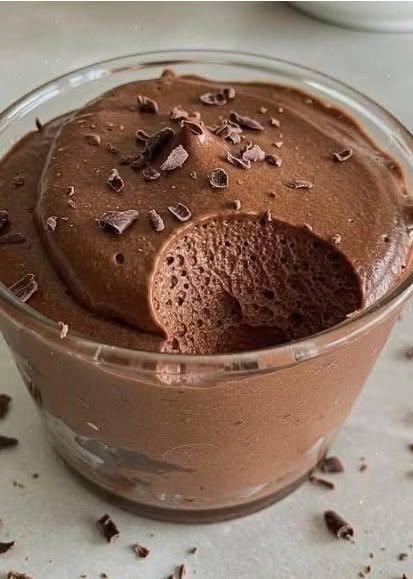
For a proper smooth cottage cheese mousse, process the mixture until there are no visible curds. The mixture should look glossy, thick, and creamy.
After reaching that point, continue blending for about another minute.
That extra time is worthwhile because it helps create a lighter and more mousse-like consistency. A food processor is particularly useful because it can process the mixture evenly without requiring large quantities.
A powerful blender can also work very well. If necessary, stop occasionally and scrape down the sides so that all of the ingredients are incorporated.
Do not judge the texture too quickly. A mousse that looks slightly soft immediately after blending can become noticeably thicker after refrigeration.
Chocolate Cottage Cheese Mousse for Serious Chocolate Cravings
The chocolate version is the obvious choice when you want a rich-tasting healthy chocolate mousse.
Unsweetened cocoa powder supplies the deep chocolate flavor without requiring melted chocolate or heavy cream. It also allows you to control the sweetness yourself.
For the protein powder variation, the combination of cottage cheese, chocolate or vanilla protein powder, cocoa powder, vanilla extract, and sweetener produces a dessert with a rich and satisfying flavor.
If you prefer to skip protein powder, the recipe increases the cocoa powder and introduces instant coffee. This is an especially useful trick for creating a deeper chocolate profile.
The coffee does not need to make the mousse taste like coffee. Instead, a small amount can intensify chocolate flavors and make the cocoa taste more pronounced.
For the best flavor, use a good-quality unsweetened cocoa powder. Natural cocoa and Dutch-processed cocoa can taste different, so your choice will affect the final flavor and color.
Cocoa contains naturally occurring flavanols, although the amount varies considerably according to the cocoa variety and processing method. Harvard Health notes that cocoa powder can contain these plant compounds, but it is important not to treat cocoa or chocolate as a substitute for an overall healthy
In other words, enjoy the cocoa for its flavor first and consider any nutritional benefits an added bonus.
A Simple Vanilla Version for a Lighter Flavor
Chocolate may be the most popular variation, but the vanilla version deserves attention too.
The vanilla cottage cheese mousse has a softer, brighter flavor and provides a wonderful base for fruit toppings. Vanilla extract brings warmth and sweetness, while lemon zest adds a small amount of freshness.
The lemon zest is especially helpful because cottage cheese has a mild tang of its own. The citrus aroma balances the creamy base without turning the dessert into a lemon mousse.
This version is delicious served plain, but you can also pair it with fresh berries or sliced fruit.
Strawberries, blueberries, raspberries, peaches, or bananas can all work beautifully with vanilla. A small sprinkle of cinnamon is another easy way to change the flavor.
Because the vanilla version does not contain cocoa powder or protein powder, it is also a useful alternative when you want something creamy but do not want chocolate.
Why Chilling the Mousse Makes Such a Difference
Technically, you can eat the mousse immediately after blending, but refrigeration is strongly recommended.
Freshly blended mousse can be softer and looser than you expect. A couple of hours in the refrigerator gives it time to firm up.
Chilling also allows the individual flavors to come together. Cocoa, vanilla, sweetener, and cottage cheese taste more integrated after resting.
For the best texture, refrigerate the mousse for approximately 2 to 3 hours.
If you are preparing it for later, transfer it directly into an airtight container before refrigerating. This makes it easy to grab when you need a quick dessert or snack.
The chilled texture is also closer to what most people expect from traditional mousse: cool, thick, creamy, and spoonable.
How to Make the Mousse Extra Thick
The amount of liquid in cottage cheese can vary between brands, so your mousse may occasionally be thinner than expected.
The simplest solution is to drain excess liquid before blending.
If you do not want to strain the cottage cheese, the recipe notes that approximately ¼ teaspoon of xanthan gum can be used to help thicken the mixture.
Use this carefully rather than adding a large amount. Xanthan gum can thicken mixtures significantly, and too much can create an unpleasant texture.
Another important factor is refrigeration. Give the mousse enough time to chill before deciding that it is too thin.
A common mistake is adding extra thickener immediately after blending when the mixture may simply need time in the refrigerator.
Easy Ways to Customize Your Healthy Dessert
One of the best things about this recipe is how easily it can fit different occasions.
For a simple high protein breakfast, prepare the vanilla version and serve it with fresh fruit.
For a post-workout snack, the chocolate version with protein powder can provide a convenient protein-focused option.
For dessert, place the mousse in a small glass and add a light topping of berries or fruit.
You can also prepare both chocolate and vanilla versions and serve them side by side for a simple dessert platter.
The basic recipe is intentionally uncomplicated, so you do not need dozens of toppings or specialty ingredients to make it enjoyable.
How Sweet Should Cottage Cheese Mousse Be?
Sweetness is completely personal.
Cottage cheese has a naturally mild tang, while unsweetened cocoa can be quite bitter. Because of that, the amount of sweetener you prefer may depend on the exact ingredients you use.
Start with the listed amount and taste after blending.
If you prefer a sweeter dessert, add a little more sweetener. If you enjoy dark chocolate flavors, you may prefer keeping the sweetness lower.
Honey can create a softer, more natural sweetness, while sugar-free syrup allows you to control added sugar differently.
The important point is that you can adjust the flavor after blending rather than trying to guess the perfect sweetness beforehand.
A Smart Dessert for Meal Prep
This mousse is particularly convenient for people who like preparing food in advance.
Because there is no cooking involved, you can make it in just a few minutes. Divide it into a small airtight container, refrigerate it, and you have a ready-to-eat dessert or snack.
This can make healthy eating easier because you have something sweet available when cravings appear.
Instead of searching for cookies, candy, or a traditional high-sugar dessert, you already have a creamy protein-focused option waiting in the refrigerator.
For best quality, consume leftovers within the recommended storage period of up to three days.
Serving Ideas for a More Attractive Dessert
Presentation can make a simple recipe feel much more special.
For chocolate mousse, serve it in a small glass, dessert cup, or bowl. You can add fresh berries or a small amount of fruit for color.
For vanilla mousse, berries are an especially natural pairing. The contrast between the pale mousse and colorful fruit makes the dessert look appealing without requiring complicated decoration.
If you are serving the mousse after dinner, prepare individual portions before chilling. This makes serving effortless.
For breakfast or snacks, a simple airtight container is perfectly practical.
The recipe is nutritious enough to be useful and simple enough to avoid turning dessert preparation into a major project.
What Makes This Recipe Different From Traditional Mousse?
Traditional mousse recipes often depend on whipped cream, melted chocolate, eggs, or significant amounts of sugar to create their characteristic richness.
This recipe takes a simpler route.
Cottage cheese provides the creamy base, cocoa supplies the chocolate character, vanilla creates warmth, and sweetener allows you to control the final taste.
The food processor does much of the textural work.
That means you can enjoy a mousse-like dessert without spending time cooking or carefully folding whipped ingredients together.
It is not intended to be an exact replacement for classic French chocolate mousse. Instead, it is its own style of dessert: creamy, protein-rich, convenient, customizable, and suitable for everyday eating.
A Few Important Nutrition Notes
The nutrition numbers supplied with this recipe are estimates and can vary depending on the cottage cheese, protein powder, sweetener, and other brands you use.
For that reason, if you are tracking calories or macronutrients closely, enter the exact products you use into your preferred nutrition calculator.
The provided nutrition information lists the reduced-fat cottage cheese versions at approximately 327 calories and 55 grams of protein with protein powder, or approximately 223 calories and 29 grams of protein without protein powder.
These values should be treated as recipe estimates rather than universal nutritional values.
Cottage cheese itself can differ substantially between brands, particularly in protein, sodium, carbohydrate, and fat content.
Storage and Make-Ahead Tips
Store finished mousse in an airtight container in the refrigerator.
It is best enjoyed within 3 days.
For meal preparation, make the mousse in individual containers so each serving is ready to grab from the refrigerator.
Always keep dairy-based desserts refrigerated and avoid leaving the mousse at room temperature for extended periods.
If the mousse becomes slightly firmer after refrigeration, simply give it a gentle stir before serving.
Final Thoughts on This Easy High Protein Mousse
This High Protein Cottage Cheese Mousse is a great example of how a few ordinary ingredients can be transformed into something that feels like a real dessert.
The cottage cheese creates the creamy foundation, while cocoa and vanilla give you two completely different flavor directions. Protein powder is optional, which makes the recipe easy to adapt to your personal preferences.
The most important techniques are simple: blend thoroughly, taste and adjust the sweetness, and give the mousse enough time to chill.
If you are looking for an easy high protein dessert, a healthy chocolate mousse, a cottage cheese snack, or a quick recipe for satisfying sweet cravings, this mousse is worth adding to your recipe collection.
It is fast enough for a busy weekday, flexible enough for meal prep, and delicious enough to serve as dessert.
Part 2: High Protein Cottage Cheese Mousse
Quick Overview
Preparation: 5 minutes
Cooking: 0 minutes
Chilling: 2–3 hours
Total: About 2 hours 5 minutes
Yield: 1 serving
Ingredients
Chocolate Mousse With Protein Powder
- 1 cup cottage cheese (full-fat, reduced-fat, or fat-free)
- 1 scoop chocolate or vanilla protein powder (optional)
- 3 tablespoons unsweetened cocoa powder
- ½ teaspoon vanilla extract
- 2 tablespoons sweetener, honey, or sugar-free syrup
Vanilla Mousse Without Protein Powder
- 1 cup cottage cheese (full-fat, reduced-fat, or fat-free)
- 2 teaspoons vanilla extract
- 2 tablespoons sweetener, honey, or sugar-free syrup
- About ½ teaspoon lemon zest
Chocolate Mousse Without Protein Powder
- 1 cup cottage cheese (full-fat, reduced-fat, or fat-free)
- 4 tablespoons unsweetened cocoa powder
- 2 tablespoons sweetener, honey, or sugar-free syrup
- 1 teaspoon instant coffee
How to Make It
- Add the ingredients for your chosen variation to a food processor or high-powered blender.
- Blend until the cottage cheese is completely smooth and no curds remain.
- Continue blending for about 1 additional minute to create a lighter, silkier texture.
- Taste and add a little extra sweetener if desired.
- Transfer the mousse to a serving bowl or airtight container.
- Cover and refrigerate for 2–3 hours.
- Serve cold and enjoy as a healthy dessert, high-protein snack, breakfast, or post-workout treat.
Helpful Recipe Notes
- Full-fat cottage cheese gives the creamiest and richest result.
- Reduced-fat and fat-free cottage cheese can be used for lighter versions.
- Drain excess liquid from cottage cheese if you want a thicker mousse.
- If necessary, approximately ¼ teaspoon xanthan gum can help improve thickness.
- Blend thoroughly for the smoothest possible consistency.
- A food processor generally works especially well for removing the cottage cheese curds.
- Refrigeration helps the mousse become thicker and creamier.
- Fresh berries and sliced fruit pair especially well with the vanilla variation.
- Instant coffee enhances the chocolate flavor without necessarily making the mousse taste like coffee.
- Keep leftovers covered and refrigerated for up to 3 days.
Provided Nutrition Information
Chocolate Version With Protein Powder — Reduced-Fat Cottage Cheese
- Calories: 327 kcal
- Protein: 55 g
- Carbohydrates: 19 g
- Fat: 3.5 g
- Saturated Fat: 1 g
- Fiber: 6 g
- Sugar: 9 g
- Sodium: 792 mg
Chocolate Version Without Protein Powder — Reduced-Fat Cottage Cheese
- Calories: 223 kcal
- Protein: 29 g
- Carbohydrates: 19 g
- Fat: 3.5 g
- Saturated Fat: 1 g
- Fiber: 6 g
- Sugar: 9 g
- Sodium: 662 mg