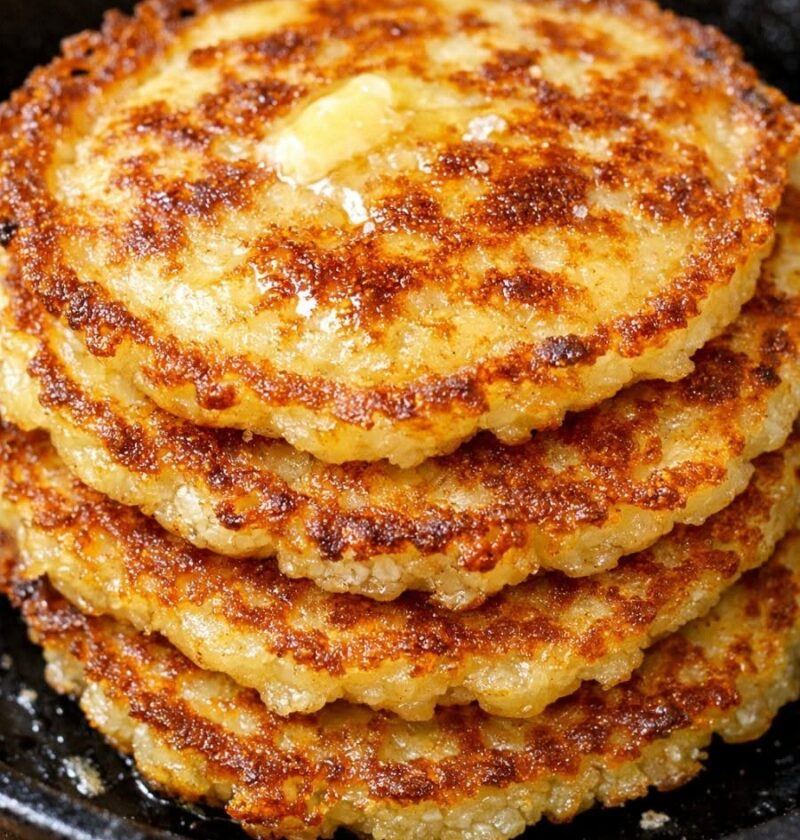
Introduction to Homemade Crispy Southern Hoecakes
Crispy Southern hoecakes are a delicious old-fashioned comfort food made with simple ingredients and cooked in a skillet until golden brown. These homemade cornmeal cakes have crisp edges, a lightly crunchy exterior, and a soft, tender center that makes every bite satisfying. Whether you serve them for breakfast, brunch, lunch, or dinner, they are an easy way to bring the comforting flavors of Southern-inspired cooking to your table.
This easy Southern hoecakes recipe uses yellow or white cornmeal, all-purpose flour, baking powder, buttermilk, egg, melted butter, and a little salt to create a flavorful batter. The cakes are fried in vegetable oil until both sides develop a beautiful golden crust. A small amount of optional sugar adds a gentle sweetness without overpowering the natural corn flavor.
One of the biggest advantages of making homemade hoecakes is that you do not need complicated equipment or expensive ingredients. Most of the items are everyday pantry staples, and the preparation is straightforward enough for beginner cooks. With a mixing bowl, a whisk, and a heavy skillet, you can prepare a batch of warm, crispy cornmeal cakes in about half an hour.
These Southern-style hoecakes are especially enjoyable when served directly from the skillet. Add a little butter and honey for a sweet breakfast, drizzle them with maple syrup, or serve them alongside savory favorites such as eggs, bacon, sausage gravy, pinto beans, collard greens, or fried chicken.
If you enjoy homemade cornbread, skillet-fried corn cakes, or old-fashioned Southern comfort food, this recipe is worth keeping in your regular meal rotation.
What Are Southern Hoecakes?
Southern hoecakes are small cornmeal-based cakes traditionally cooked on a hot, flat cooking surface. They are associated with the history of Southern American cooking, where cornmeal was an important staple and cooks created simple, filling foods from readily available ingredients.
The name hoecake is commonly connected with historical accounts of cornmeal cakes cooked on a hoe or another flat metal surface near a fire. Over time, the term came to describe different styles of cornmeal cakes prepared in homes throughout the South.
Traditional recipes vary considerably. Some use only cornmeal, salt, and water, while other versions include milk, buttermilk, eggs, flour, or a leavening agent. The ingredients depend on family traditions, regional preferences, and the texture the cook wants to achieve.
This recipe is a richer, modern home-kitchen version that combines cornmeal with buttermilk, egg, flour, and melted butter. These ingredients help create a cohesive batter that is easy to spoon into a skillet and produces a tender interior with crisp, golden edges.
Although hoecakes are sometimes compared to pancakes and cornbread, they have their own distinctive character. They are generally smaller than a pan of cornbread and are cooked individually rather than baked as one large dish. Their texture can range from rustic and firm to soft and tender, depending on the recipe.
For this version, the aim is to achieve a balanced texture: crisp enough on the outside to provide a satisfying bite, but tender enough inside to enjoy with sweet or savory toppings.
Why You Will Love This Easy Hoecakes Recipe
There are many reasons to make homemade Southern cornmeal cakes, especially when you need a quick side dish or a simple breakfast.
- Simple pantry ingredients: Cornmeal, flour, buttermilk, egg, and a few other basics are all you need.
- Quick preparation: The batter takes approximately 10 minutes to prepare, followed by 15–20 minutes of cooking.
- Crispy golden edges: Properly heated oil helps develop the delicious outer crust.
- Tender centers: Buttermilk, egg, and melted butter contribute moisture and richness.
- Versatile serving options: Enjoy the cakes with honey, maple syrup, eggs, bacon, vegetables, or traditional Southern meals.
- Beginner-friendly method: The batter is easy to mix, and the cakes cook directly in a skillet.
- Easy to customize at the table: Sweet and savory accompaniments make the same recipe suitable for different meals.
Another advantage is that the recipe makes approximately 10–12 small hoecakes. This is a convenient amount for a family breakfast or as a side dish for several people. If you are feeding a larger group, you can prepare additional batches while keeping the cooked cakes warm.
Understanding the Ingredients for Perfect Southern Hoecakes
Each ingredient contributes something important to the taste, structure, or cooking performance of the hoecakes. Measuring carefully and understanding the purpose of each component will help you get consistent results.
1. Cornmeal
You will need 1 cup of yellow or white cornmeal.
Cornmeal is the main ingredient and gives these cakes their familiar corn flavor and rustic texture. Yellow cornmeal generally produces a warmer golden color, while white cornmeal creates a paler appearance. Both are suitable for this recipe.
The grind of the cornmeal can affect the final texture. A finer grind usually creates a more uniform cake, while a coarser grind may produce a more noticeable grainy texture. Ordinary cooking cornmeal is a practical choice for everyday preparation.
2. All-Purpose Flour
Use ¼ cup of all-purpose flour.
The flour helps the batter hold together and makes the cakes easier to flip without breaking. Because cornmeal behaves differently from wheat flour, adding a small quantity of all-purpose flour helps create a more cohesive texture.
Cornmeal should remain the dominant ingredient. The flour supports the structure without turning the hoecakes into ordinary wheat-flour pancakes.
3. Baking Powder
Add 1 teaspoon of baking powder.
Baking powder helps lighten the interior and prevents the cakes from becoming unnecessarily dense. Even though these hoecakes are relatively thin, a little leavening contributes to a pleasant texture.
For the best results, use fresh baking powder. If it has been stored for a long time or has lost its effectiveness, the cakes may not develop the same tenderness.
4. Salt
Use ½ teaspoon of salt.
Salt enhances the natural corn flavor and balances the richness of the egg, butter, and buttermilk. It also helps prevent the finished cakes from tasting flat.
Measure it carefully because too much salt can overpower the mild flavor of the cornmeal.
5. Sugar
Add 1 teaspoon of sugar, if desired.
Sugar is optional in this recipe. It gives the cakes a subtle sweetness and may encourage browning during frying.
If you plan to serve the hoecakes with honey or maple syrup, you can keep the sugar in the batter or leave it out according to your taste. For savory meals, omitting it is a perfectly reasonable choice.
6. Buttermilk
You will need ¾ cup of buttermilk.
Buttermilk supplies most of the liquid in the batter. It adds moisture, contributes a mild tang, and helps soften the cornmeal as the mixture rests.
Because different cornmeal products absorb liquid differently, the batter may occasionally need a little more buttermilk. Add any extra liquid gradually, one tablespoon at a time, until the batter becomes thick but easy to scoop.
7. One Large Egg
Use 1 large egg.
The egg helps bind the ingredients and supports the structure of each hoecake. It also contributes to a tender, cohesive interior.
Whisk it thoroughly with the buttermilk before adding the wet ingredients to the dry mixture.
8. Melted Butter
Add 1 tablespoon of melted butter.
Butter gives the batter a richer flavor and helps make the cakes taste more satisfying. Allow the butter to cool slightly before combining it with the egg and buttermilk.
Very hot butter can partially cook the egg on contact, so lukewarm or slightly cooled melted butter is preferable.
9. Vegetable Oil for Frying
Use 3–5 tablespoons of vegetable oil.
Vegetable oil is used to fry the hoecakes and develop their crispy surfaces. The amount needed depends on the size of your skillet and how much oil is required to coat the bottom generously.
A neutral-flavored cooking oil is ideal because it allows the cornmeal flavor to remain prominent.
10. Optional Butter or Honey for Serving
Extra butter or honey can be served with the finished hoecakes.
Butter melts over the warm surface, while honey adds a sweet contrast to the savory cornmeal. Maple syrup and fruit preserves are also suitable choices.
These toppings are optional, so you can leave the hoecakes plain when serving them with a hearty main dish.
Preparing the Batter for Crispy, Tender Hoecakes
Preparing the batter correctly is one of the most important steps in this recipe. The mixture should be thick enough to hold its shape when spooned into the pan but soft enough to spread gently.
Begin by taking a medium mixing bowl. Add the cornmeal, all-purpose flour, baking powder, salt, and optional sugar.
Use a whisk to combine the dry ingredients thoroughly. This distributes the baking powder and salt throughout the cornmeal and flour, helping each hoecake cook with a consistent texture.
Next, take a second bowl and add the buttermilk, egg, and melted butter. Whisk the ingredients until the egg is incorporated and the mixture looks relatively smooth.
Pour the wet mixture into the bowl containing the dry ingredients. Stir with a spoon or spatula until the batter comes together.
Do not overmix. The goal is to combine the ingredients, not to beat the batter until every small lump disappears. Excessive mixing is unnecessary and may contribute to a less tender result.
Once mixed, allow the batter to rest for approximately five minutes. This short resting period gives the cornmeal time to absorb some of the liquid and helps the batter become more consistent.
After resting, check its thickness. If it is too stiff to scoop easily, add a little extra buttermilk, one tablespoon at a time. Stir gently after each addition and stop as soon as the batter becomes manageable.
Avoid making the batter watery. If the mixture is too thin, the hoecakes may spread excessively, become difficult to flip, or lose their intended texture.
The ideal batter should drop from a spoon slowly and hold a rounded shape before being spread into the skillet.
Choosing the Right Skillet and Heating the Oil
A heavy skillet makes it easier to maintain steady heat while frying the hoecakes. Cast iron is an excellent choice because it retains heat well, but a sturdy, heavy-bottomed frying pan will also work.
Place the skillet on the stove and add enough vegetable oil to coat the bottom generously. Use the lower end of the suggested oil range if your skillet is small and the upper end if you need more coverage.
Heat the oil over medium heat until it begins to shimmer slightly.
The oil should be hot enough to make a small drop of batter sizzle immediately, but it should not be smoking. If the batter sits in the oil without sizzling, give the skillet a little more time to heat.
If the oil becomes excessively hot, lower the burner and allow the temperature to settle before frying.
Correct oil temperature is essential for good results. Oil that is too cool can produce greasy cakes, while excessive heat may cause the outsides to brown before the centers have finished cooking.
Medium heat is a useful starting point, although the best setting depends on your stove and pan.
Frying the Hoecakes Until Golden Brown
Once the skillet and oil are ready, it is time to cook the batter.
Scoop approximately two tablespoons of batter into the pan for each hoecake. Keep the portions spaced apart so they have room to spread and can be turned without difficulty.
Use the back of a spoon to flatten each portion gently into a circle approximately three inches wide. Try to keep the cakes relatively thin so they cook evenly.
Allow the first side to fry for two to three minutes. During this time, the underside should begin to turn golden brown, and the edges should look set rather than wet.
Slide a thin spatula under the cake and flip it carefully. If the hoecake seems fragile, give it a little more time to cook before turning it.
Cook the second side for another two to three minutes, or until it becomes golden and the center is cooked through.
Watch the first batch closely. If the outside becomes dark too quickly, lower the heat slightly. If the cakes remain pale and soft, the skillet may not be hot enough.
Continue cooking the remaining batter in batches. Avoid crowding the pan because too many cakes can lower the oil temperature and make flipping more difficult.
If the skillet becomes dry, add a little more vegetable oil and allow it to heat before adding the next batch.
When cooked correctly, the hoecakes should have crisp, golden edges, a lightly crunchy surface, and a tender center.
How to Keep Southern Hoecakes Crispy After Frying
Freshly fried hoecakes have their best texture when served soon after cooking. However, how you handle them after frying also affects their crispness.
Transfer each finished batch to a wire rack whenever possible. A rack allows air to circulate beneath the cakes, helping excess oil drain while preventing steam from becoming trapped underneath.
If you do not have a wire rack, use a plate lined with paper towels to absorb excess oil. Arrange the cakes in a single layer instead of stacking them while they are hot.
Avoid covering them tightly immediately after frying because trapped steam can soften the crust.
If you are making several batches for a family meal, keep the cooked cakes warm in a low oven while finishing the rest. Do not leave them sitting out for an extended period.
For the best combination of crispness and flavor, add butter, honey, or maple syrup shortly before serving.
Five Important Tips for Extra-Crispy Hoecakes
1. Maintain the Correct Batter Consistency
The batter should be thick but easy to scoop. A watery mixture can spread too far and make the cakes difficult to flip. Add extra buttermilk gradually, only when needed.
2. Preheat the Oil Properly
The oil should be shimmering and should sizzle when a small drop of batter touches it. Properly heated oil helps the exterior develop a crust without excessive oil absorption.
3. Make the Cakes Thin and Even
Use approximately two tablespoons of batter per hoecake and spread it into a three-inch circle. Similar-sized cakes cook more consistently and are easier to turn.
4. Avoid Overcrowding the Skillet
Fry in small batches, leaving enough room between the cakes. This helps maintain the oil temperature and gives you enough space to flip each one carefully.
5. Drain the Cakes Without Trapping Steam
A wire rack is ideal for preserving the crispy exterior. If you use a plate, arrange the cakes in one layer and avoid covering them while they are still hot.
Following these five tips can help you achieve consistently golden, crisp Southern hoecakes without changing the original ingredient list.
Best Ways to Serve Homemade Southern Hoecakes
These easy cornmeal cakes can be enjoyed with sweet toppings, savory sides, or hearty Southern meals.
Sweet Serving Ideas
For a simple breakfast, spread butter over a hot hoecake and drizzle honey on top. The butter melts into the surface, while the honey complements the natural corn flavor.
Maple syrup is another popular option. Fruit preserves, apple butter, and fresh berries can also add sweetness and variety.
If you are serving a weekend breakfast, pair the hoecakes with scrambled eggs and fresh fruit.
Savory Breakfast Pairings
Hoecakes are excellent with fried or scrambled eggs, crispy bacon, breakfast sausage, and sausage gravy. Their texture makes them a satisfying alternative to toast or other breakfast breads.
You can also serve them as part of a larger country-style breakfast with creamy grits or sautéed vegetables.
Southern Dinner Combinations
For lunch or dinner, serve the cakes alongside fried chicken, barbecue, pinto beans, collard greens, turnip greens, or other comforting main dishes.
They are particularly useful for meals with gravies or flavorful sauces because their soft centers absorb some of the accompanying juices.
A Simple Snack
Hoecakes can also be enjoyed on their own. Serve them warm with a little butter, or keep them plain if you prefer a more pronounced cornmeal flavor.
Because they are small and easy to handle, they are suitable for casual family meals, potlucks, and gatherings where people can serve themselves.
Common Mistakes to Avoid When Making Hoecakes
Even a straightforward recipe can produce disappointing results if the batter or cooking temperature is not quite right. Fortunately, most problems can be corrected with a few simple adjustments.
Hoecakes are greasy: The oil may be too cool, or the skillet may have been overcrowded. Allow the oil to heat properly and fry in smaller batches.
The cakes break during flipping: The batter may be too thin, or the first side may not have cooked long enough. Let the cakes develop a golden crust before turning them, and use a thin spatula.
The outside burns before the center cooks: The skillet is probably too hot, or the cakes are too thick. Lower the heat and spread the batter into thinner rounds.
The cakes are dense: Overmixing, overly stiff batter, or ineffective baking powder may contribute to a dense texture. Stir gently and check that your baking powder is fresh.
The hoecakes become soft after frying: Trapped steam can soften the crust. Place the cooked cakes on a wire rack and avoid stacking or covering them while hot.
The cakes are too dry: The batter may have been too stiff, or the cakes may have cooked for too long. Add any extra buttermilk gradually to reach the proper consistency and monitor the cooking time.
Understanding these common issues will make the recipe easier to repeat and help you achieve better results with each batch.
Storage and Reheating Instructions
Although Southern hoecakes taste best immediately after frying, leftover cakes can be stored and reheated.
Allow the hoecakes to cool, then place them in an airtight container and refrigerate them promptly. For best quality, use refrigerated leftovers within three to four days.
To reheat them while preserving some of their crispness, place the cakes in a lightly oiled skillet over medium-low heat. Turn them once and warm until heated through.
An oven or air fryer can also be used to reheat the cakes. A microwave is convenient, but it usually produces a softer exterior.
If you are preparing a meal in advance, you can measure the dry ingredients ahead of time and store them in a covered container. Combine them with the wet ingredients closer to cooking time for a fresher batter.
For food safety, refrigerate cooked leftovers within two hours, or within one hour when the surrounding temperature exceeds 90°F (32°C).
Traditional-Style Hoecakes Without Flour or Eggs
If you prefer a simpler, more rustic preparation, you can make another style of hoecake using cornmeal, salt, warm water, and vegetable oil.
This variation is separate from the main buttermilk recipe because it does not contain flour, baking powder, egg, or melted butter.
Combine one cup of cornmeal with half a teaspoon of salt. Gradually add approximately three-quarters of a cup of warm water, stirring until a thick, spoonable mixture forms.
Let the mixture rest for five minutes. If it is too dry to hold together, add a little more water gradually.
Heat vegetable oil in a skillet over medium heat. Spoon small portions of the mixture into the pan and flatten them gently. Fry until the first side is crisp and golden, then turn and cook the other side.
This simpler version has a different texture and may be more fragile than the main recipe. Handle the cakes carefully while turning them.
If your goal is a richer hoecake with a soft interior and the added flavor of buttermilk and butter, follow the main recipe instead.
Frequently Asked Questions About Crispy Southern Hoecakes
Are hoecakes the same as cornbread?
They are related, but their preparation is different. Cornbread is commonly baked in a skillet or baking dish, while hoecakes are generally cooked as individual cakes on a hot surface. Their texture depends on the ingredients and cooking method.
Can I use yellow or white cornmeal?
Yes. Both yellow and white cornmeal work in this recipe. Yellow cornmeal usually produces a more golden color, while white cornmeal has a paler appearance. The final texture will also depend on the grind.
Are Southern hoecakes sweet?
They can be sweet or savory. This recipe uses only one teaspoon of optional sugar, so the cornmeal flavor remains prominent. You can leave out the sugar when serving the cakes with savory foods.
Can I make hoecakes without buttermilk?
Buttermilk is part of the original ingredient list. If you need an alternative, milk mixed with a small amount of lemon juice or vinegar is a common kitchen substitute, although the final flavor and texture may vary.
Do I need a cast-iron skillet?
No. Cast iron retains heat well and is a good choice, but a sturdy frying pan also works. The important factors are steady heat, sufficient oil, and careful cooking.
How many hoecakes does this recipe make?
The recipe makes approximately 10–12 small hoecakes. The final number depends on the size of each portion and how thinly you spread the batter.
What is the secret to crispy hoecakes?
Use a thick but scoopable batter, heat the oil properly, shape the cakes into relatively thin rounds, and avoid overcrowding the skillet. Draining the cooked cakes on a wire rack and serving them promptly also helps preserve their crispness.
Final Thoughts on This Easy Southern Hoecakes Recipe
Crispy Southern hoecakes are a simple, comforting dish that brings together the familiar flavor of cornmeal and the satisfying texture of skillet-fried food. With basic ingredients and a straightforward cooking method, they are easy to prepare for breakfast or serve alongside a hearty family dinner.
The key to success is paying attention to the batter consistency and oil temperature. Let the mixture rest for five minutes, spread each portion into a small, thin circle, and cook until both sides are golden brown.
Serve the finished hoecakes while they are still warm, with butter and honey for a sweet touch or alongside savory Southern favorites for a complete meal.
This homemade recipe is a useful addition to any collection of easy cornmeal recipes, old-fashioned Southern-inspired dishes, and quick skillet sides.
Part 2: Quick Recipe Card – Crispy Southern Hoecakes
Recipe Details
- Prep time: 10 minutes
- Cook time: 15–20 minutes
- Total time: Approximately 25–30 minutes
- Yield: 10–12 small hoecakes
- Cooking method: Skillet frying
- Cuisine style: Southern-inspired American
Ingredients
- 1 cup yellow or white cornmeal
- ¼ cup all-purpose flour
- 1 teaspoon baking powder
- ½ teaspoon salt
- 1 teaspoon sugar (optional)
- ¾ cup buttermilk
- 1 large egg
- 1 tablespoon melted butter
- 3–5 tablespoons vegetable oil, for frying
- Extra butter or honey for serving (optional)
Instructions
1. Mix the dry ingredients: Combine the cornmeal, flour, baking powder, salt, and optional sugar in a medium bowl.
2. Prepare the wet mixture: Whisk the buttermilk, egg, and melted butter in a separate bowl.
3. Make the batter: Add the wet ingredients to the dry mixture and stir just until combined. Let the batter rest for five minutes. If it is too thick, add a little buttermilk, one tablespoon at a time.
4. Heat the oil: Add vegetable oil to a heavy skillet and heat over medium until shimmering.
5. Shape the hoecakes: Spoon approximately two tablespoons of batter into the skillet for each cake. Gently spread into circles about three inches wide.
6. Fry the first side: Cook for two to three minutes, until the underside is golden brown and the edges look set.
7. Flip and finish cooking: Turn carefully and fry the second side for another two to three minutes, or until golden and cooked through.
8. Drain and serve: Transfer the cooked hoecakes to a wire rack or paper-towel-lined plate. Serve hot with butter, honey, or maple syrup.
Quick Tips
- Keep the batter thick but easy to scoop.
- Preheat the oil before adding the batter.
- Make thin cakes for crispier edges.
- Fry in small batches to maintain the oil temperature.
- Avoid stacking the cakes while they are hot.