The Ultimate Homemade Cheese Flatbread for Any Occasion
Few things are as comforting as warm homemade flatbread fresh from the skillet. When buttery layers of dough are combined with melted cheddar cheese, the result is a golden, crispy, and incredibly satisfying bread that works equally well as a snack, side dish, appetizer, or light meal.
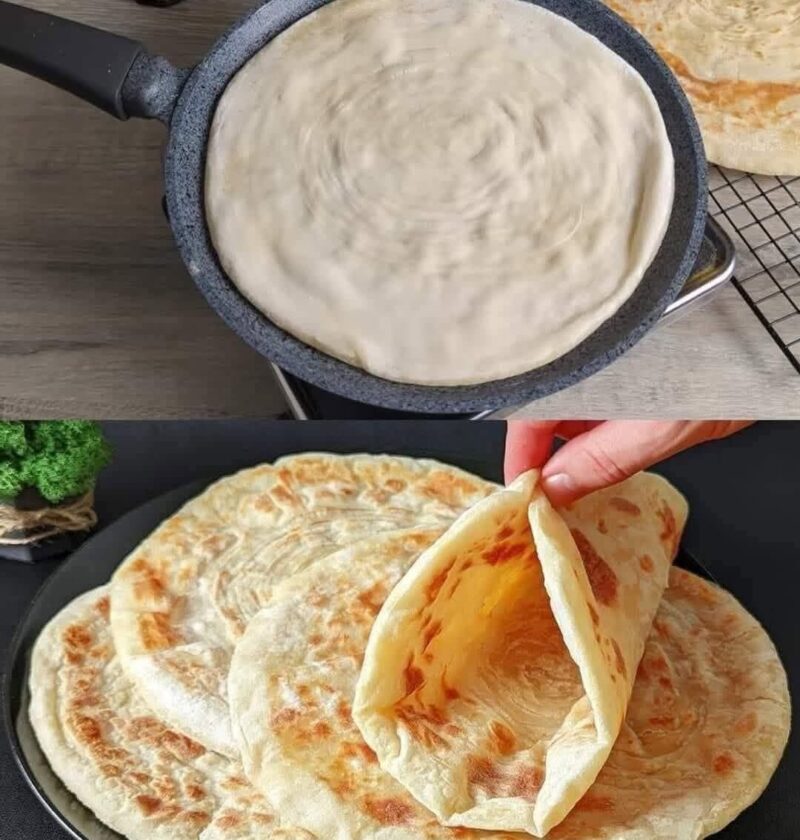
This Golden Cheddar Layered Flatbread recipe transforms a handful of simple pantry ingredients into something truly special. The dough is rolled, layered with butter and cheese, shaped into delicate folds, then cooked until beautifully golden and flaky. Every bite delivers rich cheddar flavor, tender layers, and a satisfying crisp exterior.
Unlike complicated bread recipes that require yeast, lengthy rising times, or special baking equipment, this flatbread comes together using basic ingredients and straightforward techniques. Even beginner bakers can achieve impressive results with minimal effort.
Whether served alongside soup, paired with salad, dipped into marinara sauce, or enjoyed on its own, this cheesy flatbread quickly becomes a family favorite.
Why Homemade Flatbread Remains So Popular
Flatbread has been enjoyed around the world for centuries because it is versatile, economical, and easy to prepare.
Unlike traditional loaves that often require hours of proofing and baking, flatbreads can be prepared relatively quickly while still delivering excellent texture and flavor.
Some reasons people love homemade flatbread include:
- Quick preparation
- Minimal ingredients
- Versatile serving options
- Budget-friendly ingredients
- No yeast required
- Family-friendly flavor
- Easy customization
The addition of cheddar cheese elevates this classic bread into something even more irresistible.
What Makes This Cheese Flatbread Unique?
Many flatbread recipes simply mix dough and cook it.
This recipe uses a layering and rolling technique that creates multiple thin layers throughout the bread.
As the flatbread cooks:
- Butter melts between the layers.
- Cheese softens and becomes gooey.
- Steam creates delicate pockets.
- The surface turns golden and crisp.
The result is a texture that feels richer and more complex than ordinary flatbread.
Every bite offers buttery layers and pockets of melted cheddar hidden throughout the bread.
Understanding the Ingredients
One of the strengths of this recipe is its simplicity.
Only a few everyday ingredients are needed.
Flour
Flour serves as the structural foundation of the dough.
It provides:
- Strength
- Elasticity
- Texture
- Stability
The kneading process develops the gluten structure necessary for rolling and shaping.
Water
Water hydrates the flour and allows the dough to come together.
Proper hydration creates a dough that is:
- Soft
- Flexible
- Easy to roll
Salt
Salt enhances flavor throughout the bread.
It also helps balance the richness of the butter and cheese.
Cheddar Cheese
Cheddar is the star flavor ingredient.
Its characteristics include:
- Rich savory flavor
- Excellent melting ability
- Creamy texture
- Slight sharpness
As the flatbread cooks, the cheese melts into the layers, creating delicious pockets of flavor.
Butter
Butter contributes:
- Richness
- Flakiness
- Golden color
- Tender texture
It also helps separate the layers during cooking, creating the laminated effect that makes the bread so appealing.
The Importance of Proper Dough Preparation
The dough may seem simple, but proper handling makes a significant difference.
When flour and water are combined, gluten begins developing.
Kneading helps:
- Strengthen the dough
- Improve elasticity
- Create smooth texture
- Enhance rolling ability
A properly kneaded dough should feel soft and slightly elastic without being sticky.
If the dough feels too wet, a small amount of additional flour helps achieve the correct consistency.
Why Resting the Dough Matters
Many home cooks overlook the importance of resting dough.
Allowing the dough to rest for fifteen minutes provides several benefits.
Easier Rolling
The gluten relaxes, making shaping simpler.
Better Texture
The dough becomes softer and more pliable.
Improved Layer Formation
Relaxed dough stretches more evenly.
This short resting period contributes greatly to the final result.
The Art of Layering Butter and Cheese
The signature texture of this recipe comes from its unique layering technique.
After rolling the dough into thin ovals, melted butter is brushed across the surface.
The butter serves several important purposes:
- Adds flavor
- Creates separation between layers
- Encourages flakiness
- Enhances browning
Cheddar cheese is then distributed throughout the strips before rolling.
This process creates multiple layers of dough and cheese that expand during cooking.
How the Rolling Technique Creates Flaky Layers
The distinctive shaping method transforms ordinary dough into something extraordinary.
By dividing the oval into connected strips and rolling tightly, the dough develops multiple spiraled layers.
As the bread cooks:
- Butter melts.
- Cheese softens.
- Steam expands.
- Layers separate slightly.
This produces a flaky texture similar to laminated pastries while remaining easy enough for home cooks.
Why Chilling Improves the Final Texture
After rolling, the dough logs are chilled briefly.
This step may seem minor, but it offers important benefits.
Firms the Butter
Cold butter stays distributed between layers.
Improves Shape
The dough becomes easier to flatten evenly.
Creates Better Layer Separation
Chilled layers remain distinct during cooking.
These improvements contribute to the bread’s final appearance and texture.
The Magic of Skillet Cooking
Unlike oven-baked breads, this recipe is cooked directly in a dry skillet.
Cooking in a hot pan provides:
- Quick browning
- Crisp exterior
- Even cooking
- Excellent texture
The direct contact between dough and skillet creates beautifully golden surfaces with slightly crisp edges.
A heavy skillet works especially well because it distributes heat evenly.
Perfect Serving Ideas
One reason this recipe is so versatile is the wide variety of ways it can be served.
As a Snack
Enjoy warm slices on their own.
With Dipping Sauces
Excellent options include:
- Marinara sauce
- Salsa
- Garlic sauce
- Herb yogurt dip
Alongside Soup
The bread pairs beautifully with hearty soups.
Served with Salad
Adds substance to lighter meals.
As a Pizza Base
Use the cooked flatbread as a foundation for toppings.
Sweet and Savory Option
A drizzle of honey creates an unexpectedly delicious contrast.
Creative Ways to Customize the Flavor
While the original recipe is delicious as written, there are several ways to personalize it.
Fresh Herbs
Add herbs such as:
- Rosemary
- Parsley
- Thyme
- Chives
Spices
Popular options include:
- Paprika
- Garlic powder
- Black pepper
- Red pepper flakes
Alternative Cheeses
Although cheddar is wonderful, other cheeses can also work well.
Examples include:
- Mozzarella
- Gouda
- Monterey Jack
These variations maintain the spirit of the recipe while introducing new flavor profiles.
Nutritional Highlights
This flatbread offers a balanced combination of nutrients.
Carbohydrates
Provide energy and structure.
Protein
Cheddar cheese contributes protein that helps support muscle maintenance.
Healthy Fats
Butter and cheese provide satisfying richness.
Calcium
Cheddar cheese contains calcium that supports bone health.
Because the recipe uses straightforward ingredients, it offers a satisfying balance of flavor and nutrition.
Storage and Reheating Tips
Homemade flatbread stores surprisingly well.
Refrigeration
Place cooled flatbread in an airtight container.
Store for up to three days.
Reheating
Warm in:
- Dry skillet
- Oven
- Toaster oven
These methods help restore crispness.
Freezing
Wrap individual flatbreads tightly before freezing.
Store for up to two months.
Thaw overnight in the refrigerator before reheating.
Common Mistakes to Avoid
Insufficient Kneading
Can result in uneven texture.
Skipping Rest Time
Makes rolling more difficult.
Overloading Cheese
May cause leakage during cooking.
Cooking at High Heat
Can burn the exterior before the interior finishes cooking.
Not Turning Frequently
May create uneven browning.
Avoiding these mistakes ensures better results.
Why Families Love This Recipe
This cheese flatbread appeals to a wide variety of tastes.
Families appreciate:
- Simple ingredients
- Easy preparation
- Rich cheesy flavor
- Crispy texture
- Flexible serving options
Children enjoy the gooey cheese, while adults appreciate the buttery layers and homemade quality.
It works equally well as a quick snack, lunch accompaniment, appetizer, or dinner side dish.
Frequently Asked Serving Suggestions
Many people wonder what pairs best with this bread.
Excellent choices include:
Soups
- Tomato soup
- Vegetable soup
- Chicken soup
Salads
- Garden salad
- Caesar salad
- Cucumber salad
Main Dishes
- Grilled chicken
- Roasted vegetables
- Pasta dishes
Dips
- Marinara
- Salsa
- Garlic yogurt sauce
The bread’s versatility allows it to complement almost any meal.
Final Thoughts
Golden Cheddar Layered Flatbread is proof that simple ingredients can create extraordinary results. With its buttery layers, melted cheddar filling, crispy skillet-cooked exterior, and versatile serving possibilities, it is a recipe that deserves a permanent place in any home cook’s collection.
Whether served as a snack, side dish, appetizer, or meal accompaniment, this homemade cheese flatbread delivers comfort, flavor, and satisfaction in every bite. Easy enough for beginners yet impressive enough for guests, it’s a recipe you’ll find yourself making again and again.
Golden Cheddar Layered Flatbread
Recipe Overview
| Detail | Time |
|---|---|
| Prep Time | 25 Minutes |
| Resting Time | 30 Minutes |
| Cook Time | 15 Minutes |
| Total Time | 70 Minutes |
| Servings | 4 Flatbreads |
Ingredients
Dough
- 1 teaspoon salt (5 grams)
- 300 ml water (about 1⅕ cups)
- 420 grams flour (about 2⅔ cups)
- 1 additional tablespoon flour if needed
Filling
- 100 grams cheddar cheese, shredded (about 1 cup)
Layering
- 100 grams butter, melted (about ½ cup)
Instructions
Step 1: Prepare the Dough
In a large mixing bowl, whisk together:
- Water
- Salt
Gradually add the flour while stirring with a spoon.
Mix until a rough dough forms.
Transfer to a lightly floured surface.
Knead until smooth and soft.
If the dough feels sticky, add the extra tablespoon of flour.
Cover and rest for 15 minutes.
Step 2: Prepare the Filling
While the dough rests:
- Grate the cheddar cheese.
- Melt the butter in a microwave-safe bowl or small saucepan.
Set aside.
Step 3: Shape the Dough
Divide the rested dough into 4 equal portions.
Roll each portion into a smooth ball.
Flatten each ball into a thin oval shape.
Brush melted butter over each oval.
Using a knife, create 4 connected strips while keeping one side intact.
Sprinkle grated cheddar cheese down the center of each strip.
Step 4: Roll and Chill
Starting from the uncut edge, roll tightly to form a log.
Repeat with remaining dough.
Place logs in the refrigerator for 15 minutes.
Step 5: Flatten Again
Remove chilled logs.
Flatten each one gently into a circle approximately:
- 24 cm (9.5 inches) wide
Step 6: Cook the Flatbread
Heat a dry skillet over medium heat.
Use a skillet approximately:
- 26 cm (10 inches) wide
Cook each flatbread for:
- 3–4 minutes per side
Turn frequently until golden brown, lightly puffed, and fully cooked.
Step 7: Serve
Serve warm with:
- Marinara sauce
- Salsa
- Fresh salad
- Soup
- Honey drizzle
Nutrition Information (Per Serving)
| Nutrient | Amount |
|---|---|
| Calories | 360 kcal |
| Carbohydrates | 35 g |
| Protein | 10 g |
| Fat | 20 g |
| Fiber | 2 g |
| Sodium | 400 mg |
Storage Tips
Refrigerator
Store in an airtight container for up to 3 days.
Freezer
Wrap individually and freeze for up to 2 months.
Thaw overnight in the refrigerator before reheating.
Helpful Notes
- Knead thoroughly for the best texture.
- Chilling helps maintain shape.
- Turn frequently during cooking.
- Experiment with herbs and spices for added flavor.
- Serve immediately for maximum crispness.
FAQs
Can I use another cheese?
Yes. Mozzarella, Gouda, Monterey Jack, or similar cheeses work well.
Can I make the dough ahead?
Yes. Refrigerate the dough overnight.
Can I bake instead of pan-cook?
Yes. Bake at 375°F (190°C) for 10–12 minutes until golden.
Can I use whole wheat flour?
Yes, though the texture will be slightly denser.
Can I make it vegan?
Use plant-based butter and vegan cheese alternatives.
What pairs best with this flatbread?
Soups, salads, pasta dishes, marinara sauce, salsa, roasted vegetables, and grilled proteins all pair beautifully.