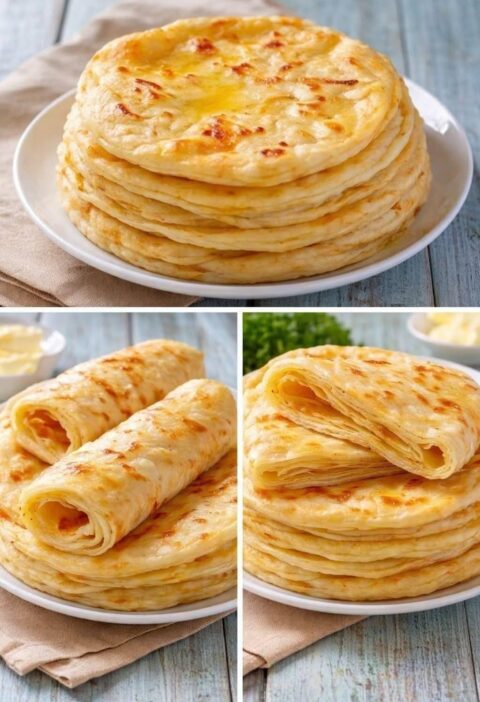
Preparation & Cooking Details
- Prep Time: 15 minutes + resting time
- Cooking Time: 10–15 minutes
- Total Time: Around 1 hour 30 minutes
- Makes: 6 medium homemade flatbreads
Discover the Magic of Turkish Bazlama Flatbread
If you love homemade bread recipes that are soft, fluffy, and incredibly versatile, this traditional Turkish Bazlama bread is going to become one of your favorite kitchen staples. Known for its pillowy texture and lightly charred surface, Bazlama is a classic skillet flatbread from Turkish cuisine that pairs beautifully with savory meals, breakfast spreads, grilled meats, soups, and sandwiches.
Unlike pita bread, this Turkish flatbread does not create a large hollow pocket. Instead, it develops a soft and chewy center with a slightly crisp exterior, making it ideal for wraps, dipping, or enjoying warm with butter. One of the best things about this easy homemade bread recipe is that it requires no oven, no baking stone, and no fancy bread-making equipment. A simple skillet or griddle is all you need.
This authentic Bazlama recipe uses pantry-friendly ingredients like flour, yeast, yogurt, olive oil, and warm water to create a dough that is tender, flavorful, and easy to work with. The addition of yogurt gives the bread a gentle tang and keeps it soft for longer, while olive oil or butter adds richness and moisture.
Whether you are new to bread making or already enjoy baking from scratch, this Turkish skillet bread recipe is approachable, beginner-friendly, and deeply satisfying.
Why This Homemade Turkish Bread Recipe Works So Well
There are many reasons why food lovers around the world enjoy making Bazlama at home. This soft flatbread recipe combines convenience, flavor, and texture in a way that few breads can.
Soft and Airy Texture
The dough rises beautifully thanks to yeast fermentation, creating a fluffy and chewy bread with a light interior.
No Oven Required
This stovetop bread recipe is cooked entirely in a skillet or cast-iron pan, making it perfect for warm weather or kitchens without ovens.
Great for Everyday Meals
Bazlama works with breakfast, lunch, dinner, and snacks. Use it for wraps, dipping sauces, sandwiches, or side dishes.
Simple Pantry Ingredients
Everything used in this recipe is affordable and easy to find in most kitchens.
Beginner-Friendly Bread Recipe
Even if you have never worked with yeast dough before, the steps are straightforward and forgiving.
The Secret Behind Soft and Fluffy Bazlama Bread
Traditional Turkish Bazlama achieves its signature softness through a combination of yeast fermentation, hydration, yogurt, and proper cooking temperature.
The warm water activates the yeast, helping the dough rise and create airy pockets throughout the bread. Yogurt contributes tenderness and flavor while also improving moisture retention. Cooking the bread over medium heat allows the inside to cook fully while the outside develops beautiful golden-brown spots.
Another important technique is covering the cooked breads with a clean towel immediately after cooking. This traps steam and keeps every flatbread soft and flexible.
Understanding the Key Ingredients
All-Purpose Flour
All-purpose flour creates a balanced texture that is soft yet chewy. It gives the bread enough structure while still remaining tender.
Yeast
Instant yeast or active dry yeast helps the dough rise and creates the fluffy texture Bazlama is known for.
Sugar
A small amount of sugar feeds the yeast and encourages proper fermentation.
Salt
Salt enhances flavor and balances the richness of the yogurt and olive oil.
Warm Water
Warm water activates the yeast and hydrates the flour. The ideal temperature is warm but not hot.
Yogurt
Full-fat plain yogurt adds softness, moisture, and a slightly tangy flavor. It also helps the bread stay tender longer.
Olive Oil or Butter
Olive oil gives richness and flexibility to the dough, while butter adds a comforting flavor.
Step-by-Step Turkish Bazlama Bread Method
Step 1 – Activate the Yeast Properly
Start by combining warm water, sugar, and yeast in a bowl. Stir gently and allow the mixture to rest for several minutes until it becomes frothy and bubbly.
This process confirms that the yeast is alive and active. Properly activated yeast ensures a successful dough rise and fluffy texture.
If using instant yeast, you may mix it directly with the flour, but activating it first still helps improve consistency.
Step 2 – Prepare the Dough Mixture
In a large bowl, combine the flour and salt evenly. Create a well in the center before adding the yeast mixture, yogurt, and olive oil or melted butter.
Mix everything gradually until a rough dough begins to form. At this stage, the dough may look shaggy and uneven, which is completely normal.
Avoid adding too much extra flour early on. Slightly tacky dough often becomes smooth during kneading.
Step 3 – Knead Until Smooth and Elastic
Transfer the dough onto a lightly floured work surface. Knead for several minutes until the dough becomes soft, smooth, and stretchy.
Good kneading develops gluten, which gives the bread its chewy structure and helps trap air during rising.
The dough should feel soft and flexible rather than dry. If it becomes sticky, dust lightly with flour a little at a time. If too dry, add tiny drops of water.
A stand mixer fitted with a dough hook also works beautifully for this step.
Step 4 – Allow the Dough to Rise
Place the dough into a lightly greased bowl and cover it with a towel or plastic wrap. Let it rise in a warm area until doubled in size.
During this resting period, the yeast ferments and fills the dough with air pockets. This process is essential for creating light and fluffy flatbread.
Warm kitchens speed up fermentation, while cooler rooms may require additional time.
Step 5 – Divide and Shape the Dough
After rising, gently press the dough down to release excess gas. Divide it into six equal portions and shape each into a smooth ball.
Allow the dough balls to rest briefly before rolling. This resting time relaxes the gluten and makes shaping easier.
Roll each dough ball into circles that are thick enough to stay fluffy while cooking. Avoid rolling too thin, as thinner dough may become dry and crispy instead of soft.
Step 6 – Cook on a Hot Skillet
Heat a heavy skillet, griddle, or cast-iron pan over medium heat. No oil is necessary during cooking.
Place one rolled dough round onto the hot surface and cook until bubbles appear and the underside develops golden spots. Flip and cook the second side until fully done.
The bread may puff slightly during cooking, which is a sign of proper fermentation and heat balance.
If the bread browns too quickly before cooking through, lower the heat slightly.
Step 7 – Keep the Bread Warm and Tender
As each bread finishes cooking, brush it with olive oil or melted butter for added flavor and softness.
Stack the breads together under a clean towel to trap steam and maintain a pillowy texture.
This simple technique keeps the flatbread flexible and moist for serving.
Delicious Ways to Serve Turkish Bazlama Bread
One of the best things about Bazlama is its versatility. This Turkish bread recipe complements countless dishes and flavors.
Serve with Soups and Stews
Use warm Bazlama to soak up lentil soup, tomato soup, bean stew, or creamy sauces.
Make Flavorful Wraps
Fill the bread with grilled chicken, kebabs, falafel, roasted vegetables, or shawarma-style fillings.
Enjoy a Turkish Breakfast
Spread with labneh, cream cheese, butter, honey, jam, olives, or fresh herbs.
Build Fresh Sandwiches
Slice the bread open and fill with tomatoes, cucumbers, lettuce, cheese, and grilled meats.
Pair with Dips
Serve alongside hummus, baba ganoush, tzatziki, garlic yogurt dip, or olive tapenade.
Expert Tips for Perfect Turkish Flatbread Every Time
Avoid Over-Kneading
Too much kneading can make the bread dense and tough. Stop once the dough becomes smooth and elastic.
Use Full-Fat Yogurt
Higher-fat yogurt creates softer and richer bread with better flavor.
Cook Over Medium Heat
Balanced heat ensures the inside cooks fully while the outside develops beautiful color.
Roll Evenly
Uniform thickness prevents raw centers and overcooked edges.
Cover After Cooking
Stacking the breads under a towel preserves softness and prevents drying.
Easy Flavor Variations
Garlic Herb Bazlama
Brush the warm bread with garlic butter and sprinkle with parsley, oregano, or thyme.
Whole Wheat Flatbread
Replace half the flour with whole wheat flour for a nuttier flavor and extra fiber.
Cheese-Stuffed Bazlama
Add cheese filling before rolling the dough for a delicious stuffed bread variation.
Spinach and Herb Version
Mix finely chopped herbs or spinach into the dough for added flavor and color.
Storage Instructions
At Room Temperature
Store in a bread bag, airtight container, or wrapped towel for up to two days.
Freezing
Wrap tightly and freeze for several months for longer storage.
Reheating
Warm briefly in a dry skillet or microwave with a light sprinkle of water to restore softness.
Nutritional Information Per Serving
Approximate values for one flatbread:
- Calories: 280
- Carbohydrates: 45g
- Protein: 8g
- Fat: 7g
- Saturated Fat: 2g
- Fiber: 2g
- Sodium: 480mg
Part 2: Easy Turkish Bazlama Bread Recipe
Homemade Turkish Bazlama Flatbread
Prep Time
15 minutes + 1 hour rising time
Cook Time
10–15 minutes
Total Time
About 1½ hours
Yield
6 medium flatbreads
Ingredients
- 3½ cups all-purpose flour, plus extra for dusting
- 1 packet instant yeast or active dry yeast
- 1 teaspoon sugar
- 1½ teaspoons salt
- 1¼ cups warm water
- ¼ cup plain full-fat yogurt, room temperature
- 2 tablespoons olive oil or melted butter
- Extra melted butter or olive oil for brushing
Optional authentic additions:
- Pinch of dried oregano
- Nigella seeds or sesame seeds for topping
Method
1. Prepare the Yeast
Mix warm water, sugar, and yeast in a small bowl. Let it sit for 5–10 minutes until frothy.
2. Combine Ingredients
In a large bowl, mix flour and salt. Add the yeast mixture, yogurt, and olive oil. Stir until a rough dough forms.
3. Knead the Dough
Transfer dough to a lightly floured surface. Knead for 8–10 minutes until smooth and elastic.
4. First Rise
Place dough in a lightly oiled bowl and cover. Let rise in a warm place for about 1 hour or until doubled in size.
5. Shape the Flatbreads
Punch down the dough and divide into 6 equal portions. Shape into balls and let rest for 10 minutes.
Roll each piece into circles about ¼-inch thick.
6. Cook the Bread
Heat a skillet or cast-iron pan over medium heat.
Cook each flatbread for about 1½–2 minutes per side until golden brown with bubbles and light char marks.
7. Finish and Serve
Brush warm breads with melted butter or olive oil. Keep covered with a towel until serving.
Serving Ideas
- Serve with kebabs, grilled chicken, or soups
- Use for wraps and sandwiches
- Enjoy with honey, butter, or labneh
- Pair with hummus or garlic yogurt dip