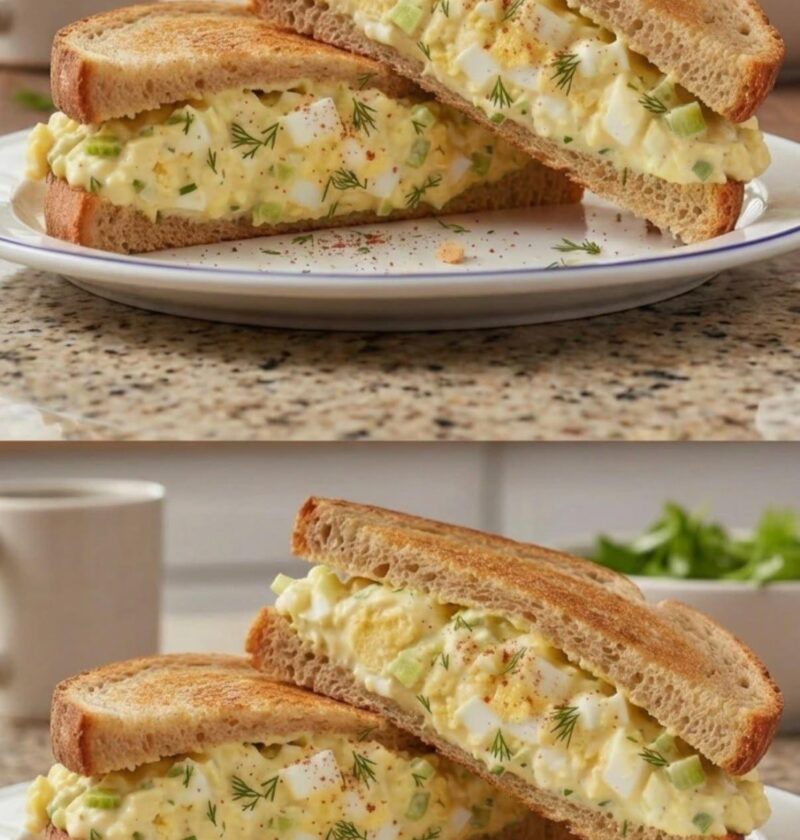
Few dishes are as simple, versatile, and satisfying as a well-made egg salad. This timeless recipe has remained a favorite for generations because it transforms basic pantry staples into a creamy, flavorful meal that works for almost any occasion. Whether you’re searching for a healthy lunch idea, a high-protein meal prep recipe, a quick sandwich filling, or a light dinner option, homemade egg salad delivers delicious results with minimal effort.
The beauty of egg salad lies in its balance of textures and flavors. Tender hard-boiled eggs provide richness and protein, while a creamy dressing adds smoothness and tang. Fresh vegetables contribute crunch, and herbs bring brightness that keeps every bite fresh and satisfying.
Unlike many complicated recipes, egg salad relies on simple ingredients prepared correctly. Small techniques—such as properly boiling eggs, balancing the dressing, and preserving texture—can elevate this classic dish from ordinary to exceptional.
This comprehensive guide covers everything you need to know about creating the perfect egg salad, including ingredient selection, preparation methods, flavor-building tips, storage advice, serving suggestions, and expert techniques.
Why Homemade Egg Salad Remains a Popular Favorite
There is a reason egg salad continues to appear on lunch tables, picnic menus, and meal prep plans around the world.
Its popularity comes from several key benefits:
- Quick and easy preparation
- Budget-friendly ingredients
- High protein content
- Versatile serving options
- Great make-ahead meal
- Family-friendly flavor
- Simple customization
Whether served on bread, crackers, lettuce leaves, or vegetables, egg salad adapts easily to different dietary preferences and occasions.
It is equally suitable for casual lunches, packed meals, brunch gatherings, and light dinners.
The Foundation of Great Egg Salad Starts with the Eggs
Since eggs are the main ingredient, their quality and preparation play a major role in the final dish.
Many people are surprised to learn that slightly older eggs are often better for hard-boiling than very fresh eggs. Eggs that have been refrigerated for several days tend to peel more easily after cooking, reducing frustration and waste.
The goal is to achieve eggs with:
- Firm but tender whites
- Smooth texture
- Bright yellow yolks
- Clean flavor
- Easy-to-peel shells
Perfectly cooked eggs create the ideal base for a creamy and flavorful salad.
How to Achieve Perfect Hard-Boiled Eggs Every Time
Although boiling eggs seems straightforward, small details make a significant difference.
Overcooked eggs often develop dry yolks and an unattractive gray-green ring around the center. This discoloration occurs when eggs are exposed to excessive heat for too long.
To avoid this problem:
- Start with cold water
- Heat gradually
- Remove from heat at the right time
- Cool immediately after cooking
These simple steps help preserve flavor, texture, and appearance.
Why an Ice Bath Is Essential
One of the most important steps in preparing egg salad is cooling the eggs quickly.
Immediately transferring cooked eggs into ice water helps:
- Stop the cooking process
- Prevent overcooking
- Preserve yolk color
- Improve texture
- Make peeling easier
Many home cooks skip this step, but it has a major impact on the final result.
The sudden temperature change causes the egg to contract slightly inside the shell, making removal much easier.
Creating the Perfect Egg Salad Texture
Texture is what separates average egg salad from outstanding egg salad.
A common mistake is mashing all the eggs into a uniform paste. While this creates creaminess, it removes the contrast that makes the dish enjoyable.
The ideal approach combines two textures:
Chunky Egg Pieces
Larger pieces create substance and structure.
Benefits include:
- Better mouthfeel
- More visual appeal
- Distinct egg flavor
- Satisfying bites
Mashed Eggs
A small portion of mashed eggs helps create a naturally creamy base.
Benefits include:
- Smooth consistency
- Better dressing distribution
- Richer texture
Combining both approaches creates a balanced and enjoyable salad.
The Secret Behind a Flavorful Dressing
The dressing is responsible for bringing all ingredients together.
Rather than relying entirely on mayonnaise, this recipe uses a combination of mayonnaise and Greek yogurt.
This blend creates a lighter texture while maintaining the creamy richness people expect from classic egg salad.
Why Mayonnaise Works So Well
Mayonnaise contributes:
- Rich flavor
- Smooth consistency
- Creamy texture
- Traditional taste
It serves as the primary binding ingredient in the salad.
Why Greek Yogurt Improves the Recipe
Greek yogurt adds:
- Fresh tanginess
- Additional protein
- Lighter texture
- Balanced richness
Using both ingredients creates a dressing that feels creamy without becoming overly heavy.
Small Ingredients That Make a Big Difference
Several supporting ingredients may seem minor, but they significantly improve flavor.
Mustard
Mustard provides:
- Mild sharpness
- Depth
- Complexity
- Savory balance
A small amount enhances the overall flavor without overpowering the eggs.
Lemon Juice
Fresh lemon juice contributes:
- Brightness
- Acidity
- Freshness
- Flavor balance
Its acidity helps cut through the richness of the dressing.
Salt and Black Pepper
These simple seasonings help highlight every ingredient and create a more balanced final dish.
Always season gradually and adjust according to taste.
Adding Crunch for Better Texture
Creamy foods benefit from contrasting textures.
Adding crunchy vegetables helps create a more exciting eating experience.
Celery
Celery remains one of the most popular additions because it provides:
- Crisp texture
- Fresh flavor
- Moisture balance
- Lightness
Finely diced celery distributes evenly throughout the salad.
Onion
Onions contribute subtle sharpness and complexity.
Popular choices include:
- Red onion
- Green onion
- Chives
Each offers a slightly different flavor profile while maintaining freshness.
Fresh Herbs Bring Everything to Life
Herbs are often overlooked, yet they can dramatically improve egg salad.
Fresh herbs add:
- Bright flavor
- Color
- Freshness
- Aroma
Popular choices include:
- Parsley
- Dill
- Chives
These ingredients make the salad taste lighter and more vibrant.
Optional Flavor Enhancements
If you’d like to customize your egg salad, several ingredients work exceptionally well.
Paprika
Adds warmth and subtle smokiness.
Lemon Zest
Provides fresh citrus aroma.
Olive Oil
Creates additional smoothness and richness.
Curry Powder
Offers a unique twist with warm spice notes.
Garlic Powder
Adds savory depth without overwhelming the salad.
These optional additions allow you to create your own signature version.
Mixing the Ingredients Properly
Once the eggs and dressing are prepared, combining them correctly is important.
Instead of aggressive stirring, use a gentle folding motion.
This technique helps:
- Preserve egg texture
- Prevent mushiness
- Distribute dressing evenly
- Maintain visual appeal
The goal is to coat the eggs while keeping them intact.
Why Chilling Improves Egg Salad
Egg salad can certainly be enjoyed immediately, but refrigeration improves the flavor considerably.
Allowing the mixture to rest for 20 to 30 minutes helps:
- Blend flavors
- Improve consistency
- Enhance texture
- Create a more cohesive salad
Many people find the flavor noticeably better after chilling.
Meal Prep Benefits
Egg salad is one of the easiest meal-prep recipes available.
Benefits include:
- Quick weekday lunches
- Easy portioning
- Minimal cooking required
- Refrigerator-friendly storage
- No reheating necessary
Store the salad in an airtight container and enjoy throughout the week.
Best Ways to Serve Egg Salad
One of the greatest strengths of egg salad is its versatility.
Classic Sandwiches
Serve between slices of bread for a traditional lunch.
Lettuce Wraps
A fresh low-carb alternative.
Stuffed Avocados
A nutrient-rich combination packed with healthy fats and protein.
Crackers and Crostini
Perfect for snacks, appetizers, or entertaining guests.
Toasted English Muffins
Ideal for breakfast or brunch.
Salad Bowls
Serve over mixed greens for a lighter meal.
Picnic Lunches
Pair with fresh vegetables, fruit, and crackers for a portable meal.
Common Mistakes to Avoid
Overcooking the Eggs
This can result in dry yolks and rubbery whites.
Skipping the Ice Bath
Proper cooling improves both texture and peelability.
Using Wet Ingredients
Excess moisture may create watery egg salad.
Overmixing
Aggressive stirring can destroy texture.
Overseasoning
Start small and adjust gradually.
Frequently Asked Questions
Can Egg Salad Be Made Ahead of Time?
Yes. It can be prepared a day in advance and stored in the refrigerator.
How Long Does Egg Salad Last?
When stored properly in an airtight container, it typically remains fresh for 3 to 4 days.
Can Mayonnaise Be Replaced?
Yes. Additional Greek yogurt or light mayonnaise can be used.
Is Egg Salad Good for Meal Prep?
Absolutely. It is one of the most convenient high-protein meal prep options available.
Can I Add More Vegetables?
Yes. Celery, cucumbers, radishes, and bell peppers all work well.
Final Thoughts
Homemade egg salad is proof that simple ingredients can create something truly satisfying. With perfectly cooked eggs, a creamy yet balanced dressing, fresh vegetables, and flavorful herbs, this classic recipe becomes a versatile meal suitable for any time of day.
Whether served as a sandwich, wrap, salad topping, or snack, egg salad offers convenience, nutrition, and comfort in every bite. Once you master these simple techniques, you’ll have a reliable recipe that can be enjoyed year-round for quick lunches, meal prep, picnics, and family gatherings.
Part 2: Easy Step-by-Step Egg Salad Recipe
Ingredients
Main Ingredients
- 8 large eggs
- ¼ cup mayonnaise
- 2 tablespoons plain Greek yogurt
- 1 teaspoon mustard
- 1 teaspoon fresh lemon juice
- 1 celery stalk, finely chopped
- 2 tablespoons finely minced red onion
- 1 tablespoon fresh parsley, dill, or chives, chopped
- Salt, to taste
- Freshly ground black pepper, to taste
Optional Add-Ins
- Pinch of paprika
- Lemon zest
- Garlic powder
- Small drizzle of olive oil
- Pinch of curry powder
Instructions
Step 1: Cook the Eggs
Place eggs in a saucepan in a single layer. Cover with cold water, ensuring the water sits about 1 inch above the eggs.
Bring to a gentle boil. Once boiling, remove from heat, cover, and let stand for 10 minutes.
Transfer eggs immediately to an ice bath and cool for 10 minutes.
Step 2: Peel and Chop
Peel the eggs and pat dry.
Chop 6 eggs into bite-sized pieces and mash 2 eggs to create a creamy base.
Step 3: Prepare the Dressing
In a bowl, whisk together:
- Mayonnaise
- Greek yogurt
- Mustard
- Lemon juice
- Salt
- Black pepper
Mix until smooth and creamy.
Step 4: Assemble the Salad
Add chopped eggs, celery, onion, and fresh herbs to a large bowl.
Pour the dressing over the mixture and gently fold until evenly coated.
Step 5: Chill and Serve
Cover and refrigerate for 20–30 minutes to allow flavors to develop.
Serve chilled in sandwiches, wraps, lettuce cups, salad bowls, or with crackers.
Recipe Information
- Prep Time: 15 minutes
- Chill Time: 20–30 minutes
- Total Time: 35–45 minutes
- Yield: 4 servings
- Category: Salad
- Method: Mixing
- Cuisine: American
Source: Original recipe article created from general culinary knowledge and traditional egg salad preparation methods, written in a unique format for educational and informational purposes.