Discover the Magic of Thin and Delicate French Crepes
Crepes are one of the most versatile and beloved dishes in the world of home cooking. Known for their thin texture, delicate flavor, and endless filling possibilities, homemade crepes can be enjoyed for breakfast, brunch, dessert, or even dinner. Whether filled with fresh fruit and chocolate spread or stuffed with cheese and savory ingredients, crepes offer a simple yet elegant dining experience.
Originating in France, crepes have become a global favorite thanks to their light texture and adaptability. Unlike thick pancakes, crepes are paper-thin and tender, making them the perfect base for countless sweet and savory combinations. Their ability to pair with almost any ingredient has made them a staple in home kitchens and professional cafés alike.
This easy crepe recipe uses simple pantry ingredients to create soft, flexible crepes that cook quickly and beautifully. With a smooth batter, proper resting time, and a hot skillet, you can achieve restaurant-quality crepes right at home.
Whether you’re preparing a weekend breakfast, an impressive dessert, or a family-friendly meal, these homemade crepes are guaranteed to become a favorite recipe you’ll return to again and again.
Why Crepes Are So Popular Around the World
One reason crepes have remained popular for generations is their incredible versatility. A single batch of crepe batter can be transformed into dozens of different meals depending on the fillings and toppings you choose.
Sweet crepes are often served with chocolate spread, fresh fruit, whipped cream, caramel sauce, or powdered sugar. They are especially popular for breakfast, brunch, and dessert.
Savory crepes, on the other hand, can be filled with cheese, ham, sautéed vegetables, eggs, mushrooms, or herbs, creating a satisfying meal suitable for lunch or dinner.
Because they require only a handful of basic ingredients, crepes are also budget-friendly and easy to prepare using items commonly found in most kitchens.
What Makes a Perfect Crepe?
A great crepe should be thin, soft, flexible, and lightly golden around the edges.
Unlike pancakes, crepes contain more liquid, creating a thinner batter that spreads easily across the pan. This consistency allows the batter to cook into delicate layers with a tender texture.
The perfect crepe should:
- Be thin and evenly cooked
- Have lightly golden edges
- Remain flexible without tearing
- Possess a smooth texture
- Hold fillings without breaking
- Deliver a mild flavor that complements toppings
Achieving these qualities is easier than many people think when the proper techniques are followed.
Understanding the Ingredients
Every ingredient in the batter serves an important purpose.
All-Purpose Flour
Flour provides structure and forms the foundation of the crepe. It creates enough stability to hold fillings while maintaining a tender texture.
Eggs
Eggs are essential for binding the ingredients together. They contribute richness, flexibility, and strength to the crepes.
The protein in eggs also helps create the smooth texture that distinguishes crepes from traditional pancakes.
Milk
Milk supplies moisture and creates the thin consistency needed for spreading the batter evenly.
It also contributes a mild richness and helps produce soft crepes.
Melted Butter or Vegetable Oil
Fat enhances tenderness and prevents the crepes from becoming dry.
Butter adds flavor, while vegetable oil offers a neutral alternative.
Sugar
Sugar is optional but beneficial when preparing dessert crepes. It adds a subtle sweetness and promotes gentle browning.
Salt
A small amount of salt balances flavors and enhances both sweet and savory versions.
Vanilla Extract
Vanilla extract adds warmth and aroma to sweet crepes, making them especially delicious with fruit and chocolate fillings.
Why Resting the Batter Matters
One of the most overlooked steps in crepe making is allowing the batter to rest.
During the resting period, the flour fully absorbs the liquid ingredients. This process improves consistency and reduces the likelihood of tearing during cooking.
Resting also allows any air bubbles created during mixing to settle. The result is a smoother batter and more evenly cooked crepes.
Even fifteen minutes can make a noticeable difference, while thirty minutes often produces even better results.
Creating Lump-Free Crepe Batter
The secret to silky crepe batter is gradual mixing.
By adding milk slowly while whisking continuously, the flour incorporates smoothly without forming lumps.
Starting from the center of the bowl and gradually expanding outward creates a uniform batter that spreads effortlessly in the pan.
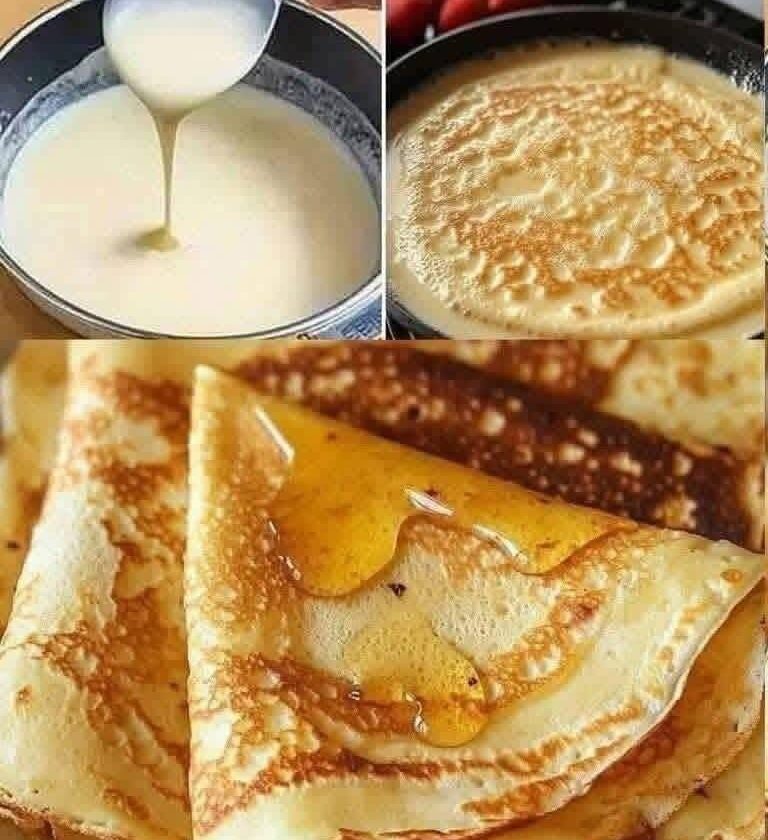
The finished batter should appear smooth, glossy, and slightly thinner than pancake batter.
If desired, the batter can be strained through a fine-mesh sieve for an ultra-smooth texture.
Choosing the Right Pan
A non-stick skillet or dedicated crepe pan is ideal for making crepes.
The smooth cooking surface allows easy flipping and prevents sticking.
Medium heat works best because it cooks the crepes evenly without burning them.
An overheated pan may brown the crepes too quickly before the batter fully sets.
The goal is a light golden color with delicate texture.
Mastering the Swirl Technique
One of the defining characteristics of crepes is their thinness.
As soon as the batter is poured into the center of the hot pan, the pan should be tilted and rotated to spread the batter into a thin, even layer.
This motion requires only a few seconds and becomes easier with practice.
The thinner the batter spreads, the more authentic the crepe will be.
Achieving the Perfect Golden Finish
Crepes cook very quickly.
The first side typically requires one to two minutes. When the edges begin lifting slightly and the underside develops a golden color, the crepe is ready to flip.
The second side cooks much faster, usually in less than one minute.
Proper timing creates tender crepes with beautiful color and delicate texture.
Endless Sweet Filling Ideas
One reason homemade crepes remain so popular is their versatility.
Chocolate and Fruit Crepes
Nutella or chocolate spread paired with strawberries, bananas, or blueberries creates a classic dessert combination.
Fresh Berry Delight
Mixed berries and whipped cream offer a lighter alternative.
Caramel Banana Crepes
Caramel sauce and sliced bananas create a rich and indulgent treat.
Vanilla Cream Filling
Pastry cream or whipped cream transforms crepes into elegant desserts.
Cinnamon Sugar Crepes
A simple mixture of cinnamon and sugar creates a comforting flavor reminiscent of classic fairground treats.
Delicious Savory Crepe Combinations
Crepes are equally delicious when prepared as savory meals.
Ham and Cheese
One of the most popular savory options combines cheese and ham for a simple yet satisfying meal.
Vegetable Crepes
Sautéed mushrooms, spinach, onions, and peppers create a nutritious filling.
Breakfast Crepes
Scrambled eggs, cheese, and herbs make an excellent breakfast option.
Mediterranean Style
Cheese, olives, and vegetables create vibrant Mediterranean-inspired flavors.
Chicken and Cheese Filling
Cooked chicken combined with cheese and herbs creates a hearty lunch or dinner.
Expert Tips for Crepe Success
Use Room-Temperature Ingredients
Room-temperature eggs and milk blend more smoothly than cold ingredients.
Lightly Grease the Pan
Only a small amount of butter or oil is necessary.
Maintain Consistent Heat
Medium heat prevents burning while allowing even cooking.
Don’t Overmix
Mix only until smooth to avoid unnecessary gluten development.
Stack Cooked Crepes
Stacking keeps crepes soft and prevents drying.
Cover Warm Crepes
A clean kitchen towel helps retain moisture.
Common Mistakes to Avoid
Batter Too Thick
If the batter seems too thick, add a small amount of milk until it reaches the correct consistency.
Pan Too Hot
Excessive heat causes uneven cooking and browning.
Flipping Too Early
Wait until the edges begin lifting naturally before flipping.
Skipping the Rest Time
Resting improves texture and handling.
Using Too Much Batter
A thin layer creates authentic crepes.
Nutritional Benefits
Crepes provide carbohydrates for energy along with protein from eggs and milk.
Additional nutritional value depends on the fillings selected.
Fruit-filled crepes contribute vitamins, minerals, and fiber.
Savory crepes with vegetables provide additional nutrients and variety.
Because crepes are highly customizable, they can fit into many balanced meal plans.
Storage and Reheating
Crepes store remarkably well.
Place cooled crepes in an airtight container with parchment paper between layers.
Refrigerate for up to three days.
For longer storage, freeze individual crepes separated by parchment paper.
To reheat, warm gently in a skillet or microwave until soft and flexible.
Why This Crepe Recipe Belongs in Every Kitchen
Homemade crepes are one of the easiest ways to create an impressive meal using simple ingredients. Their delicate texture, quick cooking time, and endless filling possibilities make them suitable for any occasion.
Whether you’re serving a special brunch, preparing an elegant dessert, or creating a savory family meal, these classic French crepes provide the perfect foundation. Once you master the simple technique, you’ll discover countless ways to customize them and make them your own.
From chocolate-filled dessert crepes to savory cheese creations, this timeless recipe proves that simple ingredients can produce extraordinary results.
Easy Homemade French Crepes
Ingredients
For the Crepe Batter
- 1 cup (125g) all-purpose flour
- 2 large eggs
- 1¼ cups (300ml) milk
- 2 tablespoons melted butter or vegetable oil
- 1 tablespoon granulated sugar (optional, for sweet crepes)
- ¼ teaspoon salt
- ½ teaspoon vanilla extract (optional)
Optional Fillings and Toppings
- Nutella or chocolate spread
- Caramel sauce
- Fresh strawberries
- Sliced bananas
- Fresh blueberries
- Whipped cream
- Powdered sugar
- Cheese
- Ham
- Sautéed vegetables
Instructions
Prepare the Batter
- In a mixing bowl, combine flour, salt, and sugar if making sweet crepes.
- Create a well in the center and add the eggs.
- Gradually pour in the milk while whisking continuously.
- Mix until smooth and lump-free.
- Stir in melted butter or oil and vanilla extract if using.
- Let the batter rest for 15–30 minutes.
Cook the Crepes
- Heat a lightly greased non-stick skillet over medium heat.
- Pour about ¼ cup batter into the center of the pan.
- Swirl the pan to spread the batter into a thin layer.
- Cook for 1–2 minutes until lightly golden.
- Flip carefully and cook for another 30–60 seconds.
- Transfer to a plate and repeat with remaining batter.
Serve
- Fill or top with your preferred sweet or savory ingredients.
- Fold, roll, or stack the crepes.
- Finish with powdered sugar, chocolate sauce, caramel, fruit, or savory fillings.
Recipe Information
- Preparation Time: 10 minutes
- Resting Time: 15–30 minutes
- Cooking Time: 20 minutes
- Total Time: 45–60 minutes
- Servings: 8–10 crepes
Helpful Notes
- Resting the batter improves texture.
- Use medium heat for even cooking.
- Keep cooked crepes covered to stay soft.
- Store leftovers refrigerated for up to 3 days.
Source
Adapted and completely rewritten from the user-provided recipe. This version contains original content, unique headings, enhanced instructions, and SEO-friendly keywords while preserving the original ingredients and cooking method.