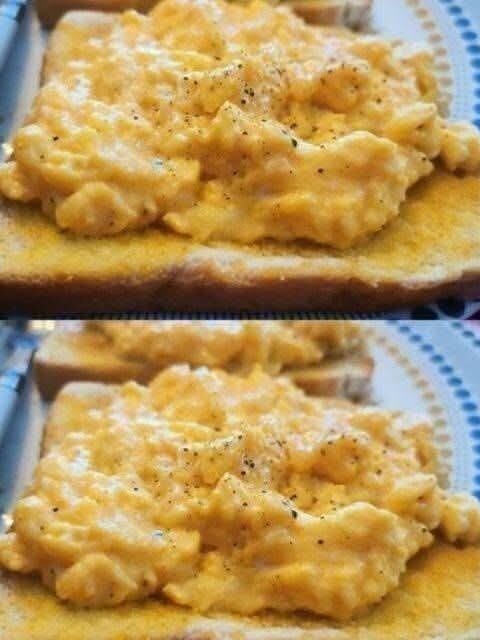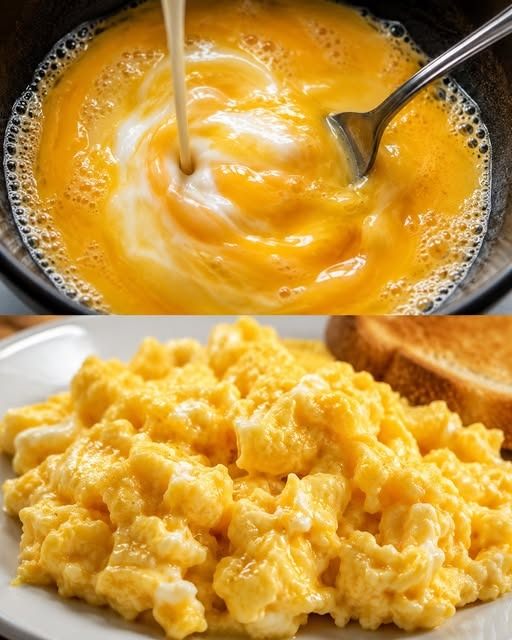
Few breakfast dishes are as simple, satisfying, and universally loved as a plate of perfectly cooked scrambled eggs. Soft, creamy, and packed with rich flavor, scrambled eggs have earned their place as a staple in kitchens around the world. Whether served alongside crispy toast, layered over avocado bread, wrapped in a breakfast tortilla, or enjoyed on their own, they offer a comforting meal that feels both nourishing and indulgent.
Although scrambled eggs require only a handful of ingredients, achieving the ideal texture takes more than simply cracking eggs into a hot pan. The difference between dry, rubbery eggs and silky, restaurant-quality scrambled eggs comes down to technique. Gentle heat, proper timing, and careful stirring create tender folds that melt in your mouth.
This homemade creamy scrambled eggs recipe focuses on producing light, fluffy curds with a rich, velvety consistency. Using simple pantry staples and a slow-cooking approach, you can prepare a delicious high-protein breakfast that rivals what you would find in a café or brunch restaurant.
Whether you’re preparing a quick weekday meal, a healthy breakfast for the family, or a luxurious weekend brunch, these soft scrambled eggs deliver exceptional results every time.
Why Creamy Scrambled Eggs Are So Popular
The appeal of scrambled eggs extends far beyond convenience. Their soft texture and delicate flavor make them one of the most versatile breakfast foods available.
Unlike firm scrambled eggs that can become dry and crumbly, soft scrambled eggs maintain moisture throughout the cooking process. The result is a creamy consistency that feels rich without being heavy.
Professional chefs often favor low-temperature cooking methods because they allow egg proteins to set gradually. This slower process creates larger, smoother curds while preserving the eggs’ natural richness.
Another reason scrambled eggs remain a breakfast favorite is their flexibility. They pair effortlessly with a wide range of ingredients, allowing endless customization without compromising the dish’s simplicity.
Popular serving companions include:
- Toasted sourdough bread
- Buttered whole-grain toast
- Sliced avocado
- Roasted vegetables
- Sautéed mushrooms
- Fresh herbs
- Smoked salmon
- Breakfast potatoes
- Cheese varieties
- Spinach and greens
Their ability to complement countless ingredients makes scrambled eggs suitable for both simple meals and gourmet breakfast presentations.
Selecting High-Quality Eggs for Better Results
When making a dish with so few ingredients, quality matters significantly.
Fresh eggs contribute superior flavor, richer color, and improved texture. The fresher the eggs, the more noticeable the difference in the finished dish.
Excellent choices include:
- Organic eggs
- Free-range eggs
- Cage-free eggs
- Pasture-raised eggs
- Farm-fresh eggs
These varieties often contain vibrant yolks and produce creamier scrambled eggs with a deeper, more satisfying flavor profile.
Fresh eggs also tend to hold their structure better during cooking, helping create those soft, luxurious folds associated with restaurant-style scrambled eggs.
Essential Ingredients for Soft Scrambled Eggs
One of the reasons scrambled eggs remain a household favorite is their simplicity. Only a few ingredients are needed to create a delicious meal.
Core Ingredients
- Large fresh eggs
- Unsalted butter
- Salt
- Freshly ground black pepper
Optional Flavor Boosters
To elevate the flavor naturally, many cooks incorporate additional ingredients such as:
- Fresh chives
- Chopped parsley
- Dill
- Basil
- Thyme
- Crème fraîche
- Heavy cream
- Whole milk
- Cheddar cheese
- Parmesan cheese
- Gruyère cheese
- Goat cheese
- Mozzarella
- Feta cheese
- Olive oil
- Smoked salmon
- Avocado slices
These ingredients allow you to personalize the recipe while maintaining its classic character.
The Science Behind Fluffy Scrambled Eggs
Understanding how eggs cook can help you achieve consistently better results.
Eggs contain proteins that begin to coagulate when exposed to heat. When cooked too quickly, these proteins tighten rapidly, forcing moisture out of the eggs and producing a dry texture.
Slow cooking allows proteins to set gradually. This process retains more moisture and creates soft curds with a silky finish.
The key principles behind creamy scrambled eggs include:
Low Heat
Gentle heat prevents the eggs from toughening and preserves moisture.
Controlled Stirring
Slow folding encourages the formation of large, tender curds.
Proper Timing
Removing eggs before they appear fully cooked allows residual heat to finish the process naturally.
Adequate Fat
Butter adds richness, flavor, and a smoother texture while helping prevent sticking.
Together, these elements create eggs that remain creamy from the first bite to the last.
Step-by-Step Method for Perfect Scrambled Eggs
Step 1: Beat the Eggs Thoroughly
Crack the eggs into a mixing bowl.
Whisk until the yolks and whites become completely blended and slightly frothy. Incorporating air into the mixture helps create a lighter final texture.
For extra creaminess, you may whisk in a small amount of:
- Whole milk
- Heavy cream
- Crème fraîche
These additions contribute moisture and richness without overpowering the eggs’ natural flavor.
Step 2: Warm the Pan Correctly
Choose a quality nonstick skillet or a properly seasoned cast-iron pan.
Place it over medium-low heat.
Patience is important here. Allow the pan to warm gradually rather than rushing the process with high heat.
Step 3: Melt the Butter
Add butter and let it melt slowly.
The butter should become foamy but should never brown. Browned butter introduces a stronger flavor and increases cooking speed, making it harder to control the eggs.
A gentle melt creates the ideal cooking surface.
Step 4: Add the Eggs
Pour the whisked eggs into the pan.
Allow them to sit briefly before stirring. This short pause encourages initial curd formation.
Using a silicone spatula, begin gently moving the eggs across the surface.
Avoid rapid stirring.
Instead, use long, sweeping motions that fold the eggs over themselves.
This technique creates large, luxurious curds rather than small, dry fragments.
Step 5: Continue Cooking Slowly
Maintain low heat throughout cooking.
The eggs should barely sizzle.
If you hear aggressive frying sounds, reduce the heat immediately.
Continue folding every few seconds as the eggs gradually thicken.
The process generally takes three to five minutes depending on pan size and heat level.
Step 6: Remove Before Fully Set
One of the most important secrets to creamy scrambled eggs is removing them from heat before they appear completely cooked.
The eggs should still look slightly glossy and moist.
Residual heat continues cooking them after they leave the stove.
Waiting until they look fully finished often results in overcooked eggs.
Step 7: Season and Serve
Transfer the eggs immediately to warm plates.
Season with:
- Salt
- Freshly cracked black pepper
Finish with optional toppings such as:
- Chopped chives
- Fresh parsley
- Dill
- Grated cheese
- Crème fraîche
Serve immediately for the best texture and flavor.
Common Mistakes That Ruin Scrambled Eggs
Even experienced home cooks occasionally make errors that affect texture.
Cooking Over High Heat
High temperatures force moisture out of the eggs and create a tough texture.
Excessive Stirring
Constant stirring produces tiny curds that lack creaminess.
Overcooking
Eggs continue cooking after leaving the pan.
Removing them too late is one of the most common mistakes.
Using Cold Serving Plates
Hot eggs placed on cold plates cool quickly and lose their luxurious texture.
Adding Too Many Mix-Ins
While additions can enhance flavor, overcrowding the eggs may mask their natural richness.
Best Cookware for Scrambled Eggs
The right pan contributes significantly to cooking success.
Nonstick Skillet
A nonstick skillet is generally the easiest option for beginners because eggs release effortlessly.
Cast-Iron Skillet
A well-seasoned cast-iron pan provides excellent heat retention and can produce exceptional results.
Ceramic Cookware
Ceramic-coated pans also work well for delicate egg dishes.
Stainless Steel
Although possible, stainless steel requires more skill because eggs tend to stick if not handled properly.
Restaurant Techniques for Extra-Creamy Eggs
Professional kitchens often use a few additional tricks to create ultra-luxurious scrambled eggs.
These methods include:
- Finishing with crème fraîche
- Using premium European butter
- Garnishing with microgreens
- Adding flaky sea salt just before serving
- Serving on artisan sourdough toast
- Incorporating a small amount of cream
These small refinements create a more sophisticated presentation and flavor profile.
Nutritional Benefits of Scrambled Eggs
Scrambled eggs are not only delicious but also highly nutritious.
They contain numerous essential nutrients that support overall wellness.
Key nutritional advantages include:
- High-quality protein
- Vitamin B12
- Vitamin D
- Choline
- Selenium
- Iron
- Healthy fats
- Essential amino acids
Protein-rich breakfasts may help maintain energy levels and support feelings of fullness throughout the day.
This makes scrambled eggs an excellent choice for active individuals and anyone seeking a balanced breakfast.
Creative Ways to Serve Scrambled Eggs
Classic Breakfast Plate
Serve alongside toast, fruit, and roasted tomatoes.
Avocado Toast
Layer creamy eggs over smashed avocado and toasted bread.
Breakfast Burrito
Wrap eggs with cheese, salsa, and roasted potatoes.
Smoked Salmon Brunch
Combine eggs with smoked salmon, cream cheese, and fresh dill.
Healthy Breakfast Bowl
Serve over sautéed spinach, kale, or roasted vegetables.
Breakfast Sandwich
Fill croissants, bagels, or English muffins with eggs and cheese.
Protein-Packed Meal Prep
Pair with grilled vegetables and lean protein for a satisfying meal.
Best Herbs and Seasonings for Flavor
Fresh herbs brighten the rich flavor of scrambled eggs beautifully.
Popular choices include:
- Chives
- Parsley
- Dill
- Basil
- Thyme
- Tarragon
Additional seasonings may include:
- Black pepper
- Paprika
- Garlic powder
- Onion powder
- Chili flakes
- Everything bagel seasoning
Use seasonings sparingly to allow the eggs’ natural flavor to remain the star of the dish.
How to Keep Scrambled Eggs Moist Every Time
Moisture retention is the foundation of creamy scrambled eggs.
To achieve consistently soft results:
- Cook slowly
- Use low heat
- Add butter generously
- Stir gently
- Remove early
- Serve immediately
Following these principles ensures tender eggs with a luxurious texture.
Why Scrambled Eggs Remain a Breakfast Staple
For generations, scrambled eggs have remained one of the world’s most beloved breakfast foods.
Their popularity comes from several qualities:
- Affordability
- Simplicity
- Nutrition
- Versatility
- Comforting flavor
- Quick preparation
Despite requiring only a few ingredients, scrambled eggs can feel elegant when prepared with care.
Whether you’re cooking for yourself or serving guests, a perfectly prepared plate of soft scrambled eggs offers warmth, comfort, and satisfaction in every bite.
Mastering this simple dish proves that exceptional cooking often comes from patience, attention, and quality ingredients rather than complicated techniques. Once you learn the art of gentle cooking, you’ll be able to create creamy, fluffy scrambled eggs that rival those served in the finest breakfast cafés.
Part 2: Easy Creamy Scrambled Eggs Recipe
Recipe Name: Soft & Creamy Homemade Scrambled Eggs
Prep Time: 5 minutes
Cook Time: 5 minutes
Total Time: 10 minutes
Yield: 2 servings
Ingredients
- 4 large fresh eggs
- 1 tablespoon unsalted butter
- Salt, as needed
- Freshly ground black pepper, to taste
Optional Add-Ins
- 1 tablespoon heavy cream or whole milk
- 1 tablespoon crème fraîche
- Fresh chives, finely chopped
- Fresh parsley, chopped
- Fresh dill
- Shredded cheddar cheese
- Grated Parmesan cheese
- Crumbled goat cheese
- Avocado slices for serving
Method
Step 1: Prepare the Egg Mixture
Crack the eggs into a bowl and whisk until smooth and slightly airy. If desired, mix in cream or milk for extra richness.
Step 2: Warm the Pan
Place a nonstick skillet over medium-low heat.
Step 3: Add Butter
Melt the butter gently until foamy. Do not allow it to brown.
Step 4: Cook Slowly
Pour the egg mixture into the skillet. Let it sit briefly, then gently move the eggs with a silicone spatula using slow folding motions.
Step 5: Form Soft Curds
Continue folding every 20–30 seconds until soft, creamy curds develop.
Step 6: Finish Cooking
When the eggs are nearly set but still slightly glossy, remove them from the heat.
Step 7: Season and Serve
Add salt and black pepper. Garnish with herbs, cheese, or crème fraîche if preferred. Serve immediately.
Pro Tips
- Always cook over low heat.
- Avoid vigorous stirring.
- Remove eggs before they appear fully cooked.
- Use fresh eggs for the best flavor.
- Serve immediately for maximum creaminess.
Serving Suggestions
- Avocado toast
- Sourdough breakfast platter
- Smoked salmon and dill toast
- Breakfast burritos
- Croissant egg sandwiches
- Sautéed spinach breakfast bowls
- Roasted vegetable brunch plates