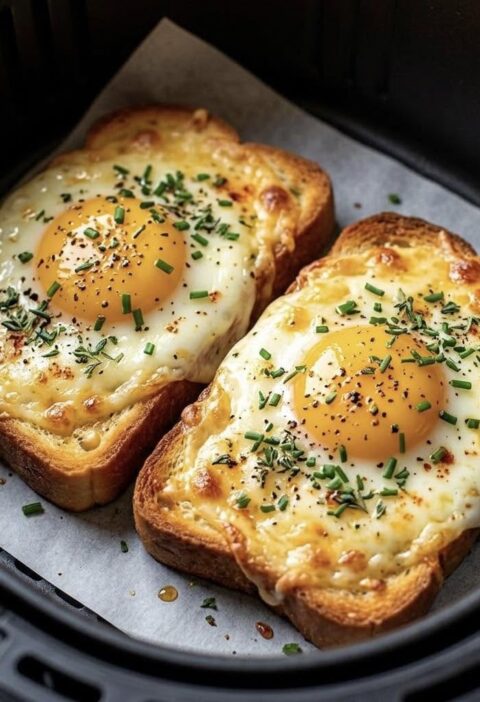
Scrambled eggs may seem like one of the simplest breakfast dishes, yet creating truly creamy, fluffy, and restaurant-quality eggs requires more skill than many people realize. While almost anyone can crack eggs into a pan and stir them around, achieving a silky texture with soft curds and rich flavor is an entirely different experience.
The difference between average scrambled eggs and exceptional scrambled eggs often comes down to technique rather than ingredients. Small adjustments in temperature, timing, and stirring methods can transform ordinary eggs into a luxurious breakfast worthy of a fine dining restaurant.
Whether you’re preparing a quick weekday breakfast, a healthy high-protein meal, or an elegant brunch centerpiece, learning the art of gentle egg cooking will elevate your kitchen skills immediately. This guide walks through every important detail, from selecting ingredients to mastering heat control and avoiding common mistakes.
By understanding the science behind eggs and applying a few professional cooking techniques, you’ll consistently produce creamy scrambled eggs with a rich texture, delicate flavor, and beautiful appearance.
Choosing the Right Ingredients for Superior Scrambled Eggs
Great scrambled eggs begin with quality ingredients. Since eggs are the star of the dish, freshness plays a significant role in the final outcome.
Fresh eggs typically produce better texture, richer flavor, and more vibrant color. Their proteins hold together more effectively during cooking, helping create those desirable soft curds.
For this recipe, you’ll need:
- Fresh eggs
- Cream
- Salt
- Butter
- Optional cheese
- Freshly ground black pepper
- Chopped chives for garnish
Each ingredient contributes something important.
The cream adds richness and helps create a smoother consistency. Butter enhances flavor while contributing to a velvety finish. Salt seasons the eggs evenly and helps bring out their natural taste. Optional cheese introduces additional creaminess and depth.
Even though the ingredient list is short, each component works together to create a balanced and luxurious breakfast dish.
The Importance of Proper Egg Preparation
Many home cooks make their first mistake before the eggs even reach the pan.
It’s tempting to whisk eggs aggressively until they become light and foamy. However, excessive beating introduces too much air into the mixture.
While some air is beneficial, too much creates bubbles that later collapse during cooking. This often results in eggs that feel dry, spongy, or rubbery rather than creamy.
Instead, crack the eggs into a bowl and add the cream and salt. Whisk gently until the yolks and whites are fully blended and the color becomes uniform.
The goal is a smooth mixture without excessive foam.
Professional chefs often emphasize that scrambled eggs should be treated more like a delicate custard than a heavily whipped batter. Gentle handling at this stage sets the foundation for success.
Why Temperature Control Changes Everything
One of the biggest secrets to extraordinary scrambled eggs is cooking them over moderate, controlled heat.
High heat may seem faster, but it often ruins the texture.
Egg proteins are highly sensitive to temperature. When exposed to excessive heat, they tighten rapidly and squeeze out moisture. This causes dry, tough eggs with a rubber-like consistency.
Cooking slowly allows proteins to coagulate gradually, creating tender curds that retain moisture.
Place a skillet over medium-low heat and add half of the butter. Allow the butter to melt gently until it becomes slightly foamy.
The butter should never brown aggressively or smoke.
A properly heated pan feels warm rather than scorching hot. If the butter begins smoking immediately, reduce the heat and allow the pan to cool slightly before continuing.
This slower approach gives you far more control throughout the cooking process.
Letting the Eggs Set Naturally
After pouring the egg mixture into the pan, patience becomes essential.
Many cooks immediately begin stirring. However, allowing the eggs to remain undisturbed briefly creates the foundation for soft, luxurious curds.
The eggs should settle quietly into the pan.
There should be no loud sizzling sounds.
Allow the mixture to sit for approximately 20 to 30 seconds. During this time, a delicate layer begins forming on the bottom.
This gentle setting process creates the first stage of structure without overcooking the eggs.
Think of this step as allowing the eggs to establish themselves before guiding them through the remainder of the cooking process.
Mastering the Folding Technique
The folding method separates exceptional scrambled eggs from ordinary ones.
Instead of vigorously stirring, use a spatula to gently push the partially cooked eggs from the outer edges toward the center.
As you move the cooked portion inward, tilt the pan slightly so uncooked egg flows into the newly opened space.
This movement creates larger, softer curds while ensuring even cooking.
Continue this process every 10 to 15 seconds:
- Push
- Tilt
- Fold
Repeat patiently.
Avoid aggressive stirring, chopping, or rapid scrambling.
The objective is to preserve the structure of the curds while gradually cooking the eggs.
Large curds create a creamier mouthfeel and more appealing appearance compared to small fragmented pieces.
Professional chefs often describe this process as guiding the eggs rather than scrambling them.
Recognizing the Perfect Cooking Point
One of the most important skills in egg cookery is learning when to stop.
Many people wait until the eggs appear completely finished before removing them from heat.
Unfortunately, eggs continue cooking after leaving the stove due to residual heat.
The ideal time to remove the pan is when the eggs appear approximately 90 percent cooked.
At this stage:
- The eggs should still look glossy.
- The surface should retain slight moisture.
- The mixture should no longer appear liquid.
- Curds should hold their shape gently.
Resist the temptation to cook until everything looks dry.
The remaining heat will complete the process naturally.
This simple adjustment dramatically improves texture.
The Professional Secret for Extra Creaminess
One of the most effective restaurant techniques involves adding cold butter at the very end.
After removing the pan from heat, add the remaining butter and any optional cheese.
Gently fold them into the eggs.
This accomplishes several things simultaneously:
- Stops the cooking process.
- Enhances richness.
- Creates a silky texture.
- Produces a light buttery sauce that coats each curd.
The result is noticeably creamier and more luxurious.
Many chefs rely on this finishing technique because it delivers consistent results while preventing accidental overcooking.
Resting Before Serving
Just like many other foods, scrambled eggs benefit from a brief resting period.
Transfer the finished eggs immediately to a warm serving plate.
Allow them to rest for about 30 seconds.
This short pause helps stabilize the texture and allows flavors to settle.
Finish with freshly ground black pepper and chopped chives for added aroma, color, and freshness.
The result is a breakfast dish that looks elegant while maintaining incredible flavor and texture.
Visual Signs of Perfect Scrambled Eggs
Understanding visual cues helps ensure consistent success.
Perfect Scrambled Eggs
Characteristics include:
- Large, tender curds
- Soft appearance
- Slight shine
- Moist texture
- Gentle mound on the plate
- Rich, creamy consistency
Overcooked Scrambled Eggs
Warning signs include:
- Small fragmented curds
- Dry surface
- Excess liquid leakage
- Rubbery texture
- Dense consistency
- Dull appearance
Learning to recognize these signs will dramatically improve your cooking confidence.
Advanced Techniques for Gourmet Results
Double Boiler Method
For ultimate luxury, cook the eggs in a heatproof bowl positioned over gently simmering water.
This technique provides extremely gentle heat.
Because the temperature rises slowly, the eggs develop an exceptionally smooth, custard-like texture.
Many fine dining chefs use this approach when aiming for maximum creaminess.
Continuous Stirring Method
If you prefer smaller, delicate curds, use a different approach.
Cook over low heat while stirring slowly and continuously.
This creates a finer texture often associated with classic diner-style scrambled eggs.
Both techniques are excellent; the choice depends on personal preference.
Choosing the Best Pan
Cookware significantly influences results.
A quality nonstick skillet offers the easiest temperature management and prevents sticking.
Heavy-bottomed pans distribute heat more evenly, reducing hot spots that can overcook portions of the eggs.
Avoid cookware that retains excessive heat for delicate egg dishes.
Consistent temperature control remains the primary objective.
Why You Should Never Cover the Pan
Some cooks cover their pans to speed cooking.
This is generally not recommended for scrambled eggs.
Covering traps steam inside the pan.
Excess moisture can collect and create watery eggs with diluted flavor and undesirable texture.
Cooking uncovered allows moisture to evaporate naturally while preserving the ideal consistency.
Common Scrambled Egg Problems and Solutions
Problem: Watery Eggs
Possible causes include:
- Cooking over excessive heat
- Poor-quality eggs with higher water content
- Steam buildup during cooking
Solution:
Use gentle heat and avoid covering the pan.
Problem: Rubbery Texture
Possible causes include:
- Overcooking
- High temperatures
- Excessive stirring
Solution:
Cook slowly and remove eggs while still slightly glossy.
Problem: Gray-Green Discoloration
Possible causes include:
- Overheating
- Extended cooking time
Solution:
Use moderate heat and remove the eggs promptly.
Nutritional Benefits of Scrambled Eggs
Scrambled eggs are not only delicious but also highly nutritious.
They provide:
- High-quality protein
- Essential amino acids
- Healthy fats
- Vitamin B12
- Vitamin D
- Selenium
- Choline
These nutrients support muscle maintenance, brain function, energy production, and overall wellness.
When paired with whole-grain toast, fresh vegetables, or fruit, scrambled eggs become a balanced meal suitable for breakfast, lunch, or dinner.
Final Thoughts: The Beauty of Simple Cooking
Perfect scrambled eggs are proof that simple ingredients can create extraordinary results when treated with care.
Success depends less on complicated recipes and more on patience, observation, and technique.
Gentle whisking, moderate heat, careful folding, and timely removal from the stove work together to create soft, creamy eggs with exceptional flavor.
Once you master these principles, preparing restaurant-style scrambled eggs becomes second nature. Every breakfast becomes an opportunity to enjoy a dish that is comforting, nutritious, elegant, and surprisingly sophisticated.
Great scrambled eggs are not forced into perfection. They are gently guided there through attention, patience, and respect for the ingredients.
Part 2: Easy Creamy Scrambled Eggs Recipe
Preparation Time
- Prep Time: 5 minutes
- Cook Time: 8–10 minutes
- Total Time: 15 minutes
- Servings: 2
Ingredients
- 4 large fresh eggs
- 2 tablespoons cream
- ½ teaspoon salt
- 2 tablespoons butter, divided
- 2 tablespoons grated cheese (optional)
- Freshly ground black pepper, to taste
- 1 tablespoon finely chopped fresh chives
Method
1. Mix the Eggs
Crack the eggs into a bowl. Add cream and salt. Whisk gently until the mixture becomes smooth and evenly combined.
2. Warm the Pan
Place a nonstick skillet over medium-low heat. Add 1 tablespoon butter and allow it to melt gently without browning.
3. Add the Egg Mixture
Pour the eggs into the skillet. Let them sit undisturbed for 20–30 seconds until a thin layer begins to set.
4. Create Soft Curds
Using a spatula, slowly push the cooked eggs from the edges toward the center. Tilt the pan so uncooked egg flows into empty spaces. Repeat every 10–15 seconds.
5. Remove Before Fully Cooked
When the eggs are mostly set but still glossy and slightly moist, remove the skillet from the heat.
6. Finish with Butter
Add the remaining butter and optional cheese. Fold gently until melted and creamy.
7. Serve
Transfer immediately to a warm plate. Let rest for 30 seconds. Top with black pepper and fresh chives before serving.
Expert Tips
- Use low heat for the creamiest texture.
- Avoid over-whisking the eggs.
- Never let the butter burn.
- Remove eggs from heat while still slightly moist.
- Do not cover the pan during cooking.