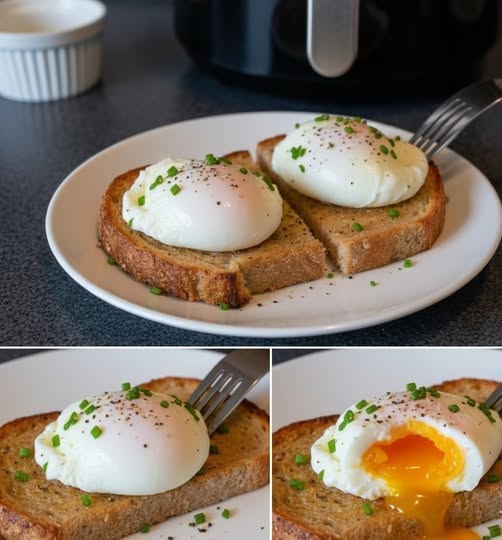
Poached eggs are one of the simplest yet most elegant breakfast dishes you can prepare at home. With their delicate egg whites, creamy golden yolk, and restaurant-style appearance, they are a favorite choice for healthy breakfasts, weekend brunches, and quick protein-packed meals. Although poached eggs may look like a chef-level recipe, the process is actually simple when you understand the right technique.
This easy poached eggs recipe will guide you through every step needed to create perfectly cooked eggs with a tender outer layer and a deliciously runny center. Whether you want to serve them on crispy toast, creamy avocado toast, fresh salads, English muffins, or a nutritious breakfast bowl, this method helps you achieve consistent results every time.
Unlike fried eggs or scrambled eggs, poached eggs are cooked gently in water without using oil or butter. This makes them a lighter and healthier breakfast option while still providing excellent flavor and nutrition. They are naturally rich in protein, vitamins, and essential nutrients, making them a smart choice for anyone looking for a balanced morning meal.
Why Homemade Poached Eggs Are Worth Making
Many people order poached eggs at restaurants because they appear difficult to prepare. However, making them at home is easier than most people think. The secret is controlling the water temperature, using fresh eggs, and following a few simple preparation steps.
The gentle cooking method allows the egg whites to become firm while keeping the yolk smooth, warm, and creamy. When cut open, the yolk creates a naturally rich sauce that adds flavor to almost any dish.
Poached eggs are popular because they are:
- Quick to prepare for busy mornings
- High in protein and naturally filling
- Lower in added fat compared with fried eggs
- Easy to pair with many breakfast foods
- Suitable for healthy meal plans
- Perfect for breakfast, brunch, lunch, or light dinners
A perfectly poached egg can transform a simple piece of toast into a satisfying meal. The combination of soft egg texture and creamy yolk makes this recipe a timeless breakfast favorite.
Health Benefits of Eating Poached Eggs
Eggs are considered one of the most nutritious foods available. They contain high-quality protein that helps support muscle health and keeps you feeling full for longer periods.
A single large egg provides important nutrients, including:
- Protein for energy and body repair
- Vitamin A for healthy vision and immunity
- Essential minerals such as iron and calcium
- Healthy fats that support overall nutrition
Because poached eggs are cooked in water instead of oil, they are a great choice for people who prefer lighter cooking methods. They deliver the natural goodness of eggs without requiring extra cooking fats.
For those following a balanced lifestyle, poached eggs can be combined with vegetables, whole-grain bread, avocado, or salads to create a complete and nourishing meal.
Simple Ingredients Needed for Perfect Poached Eggs
One of the best things about this recipe is that it requires only a few basic ingredients. You do not need complicated seasonings or expensive equipment.
The main ingredients are:
Fresh Egg
A fresh large egg is the most important ingredient. Fresh eggs hold their shape better when placed into hot water because the egg whites are thicker and more compact.
Vinegar (Optional)
A small amount of vinegar can be added to the cooking water. It helps the egg whites set more quickly and keeps the egg together while cooking. Vinegar does not significantly change the flavor when used in the correct amount.
Water
Water is the cooking medium that gently surrounds the egg and creates the soft texture that makes poached eggs special.
Why Fresh Eggs Create Better Poached Eggs
Fresh eggs are the secret behind beautifully shaped poached eggs. When eggs are older, the egg whites become thinner and spread more easily in water. This can create a messy shape and loose pieces of egg white.
Fresh eggs have:
- Stronger egg whites
- Better structure
- A more attractive final appearance
- A creamier yolk texture
If possible, choose eggs that are fresh from the store or farm. This small detail can make a noticeable difference in your final result.
Essential Kitchen Tools for Poaching Eggs
You do not need special machines to make poached eggs. A few basic kitchen tools are enough.
Deep Saucepan or Large Pot
A pot with enough depth allows the egg to fully sit in the water while cooking evenly.
Fine Mesh Strainer
A strainer helps remove the thin watery part of the egg white. This creates a cleaner and more professional-looking poached egg.
Small Bowl or Ramekin
Cracking the egg into a separate bowl before cooking makes it easier to gently place it into the water.
Slotted Spoon
A slotted spoon allows you to remove the egg while letting excess water drain away.
Paper Towel
A paper towel helps absorb extra moisture before serving.
Step-by-Step Guide for Making Restaurant-Style Poached Eggs
Step 1: Prepare the Cooking Water
Begin by filling a large pot with enough water to completely cover the egg while it cooks. Bring the water to a boil, then reduce the heat.
The ideal temperature for poaching eggs is a gentle simmer. The water should have small bubbles rising slowly, but it should not be aggressively boiling.
Strong boiling water can break apart the egg whites and make the final result uneven.
If you are using vinegar, add 1–2 tablespoons to the simmering water at this stage.
Step 2: Prepare the Egg Before Cooking
Crack the egg carefully into a fine mesh strainer placed over a bowl. Allow the thin liquid portion of the egg white to drain away for a few seconds.
This step helps create a compact poached egg with a smoother shape.
Transfer the egg gently into a small ramekin or bowl. Preparing the egg first gives you better control when adding it to the water.
Step 3: Create a Gentle Water Whirlpool
Using a spoon, stir the simmering water in one direction to create a gentle circular movement.
This swirling motion helps the egg white fold around the yolk, creating the classic poached egg shape.
Avoid stirring too aggressively because a strong whirlpool can damage the egg.
Step 4: Cook the Egg Carefully
Slowly slide the egg from the ramekin into the center of the swirling water.
Allow the egg to cook without disturbing it. For a soft poached egg with a runny yolk, cook for approximately 3 minutes.
The egg white should become firm while the inside remains creamy.
If you prefer a slightly firmer yolk, allow it to cook for another minute or two.
Step 5: Remove the Egg Properly
Once cooked, carefully lift the egg from the water using a slotted spoon.
Place it briefly on a paper towel to remove extra water. This prevents your toast or serving dish from becoming watery.
Step 6: Serve Immediately
Poached eggs taste best when served fresh and warm.
They can be enjoyed with:
- Toast
- Avocado toast
- English muffins
- Fresh salads
- Breakfast bowls
- Roasted vegetables
- Oatmeal bowls
The creamy yolk works like a natural sauce that adds richness to many dishes.
Common Mistakes When Making Poached Eggs
Even though poached eggs are simple, a few mistakes can affect the result.
Using Old Eggs
Older eggs spread more in water and are harder to shape.
Boiling the Water Too Strongly
High heat can break the egg apart. Always maintain a gentle simmer.
Skipping Preparation
Cracking the egg directly into the pot can create uneven results. Using a bowl or ramekin gives better control.
Overcooking the Egg
Cooking too long removes the creamy yolk texture. Use a timer for accurate results.
How to Store Cooked Poached Eggs
Poached eggs can be prepared ahead of time, making breakfast easier during busy mornings.
To store:
- Place cooked eggs immediately into ice water.
- Transfer them into a sealed container.
- Keep refrigerated for up to 4–5 days.
To reheat, place the egg in hot water for around 20–30 seconds until warmed.
Helpful Tips for Perfect Results Every Time
- Always use fresh eggs whenever possible.
- Keep the cooking water below a full boil.
- Use a timer to achieve your preferred yolk consistency.
- Do not overcrowd the cooking pot.
- Add vinegar only if needed; it is optional.
- Serve immediately for the best texture.
Frequently Asked Questions
How long should I cook a poached egg?
For a soft white and runny yolk, approximately 3 minutes is ideal. Longer cooking creates a firmer yolk.
Can I make poached eggs without vinegar?
Yes. Vinegar is optional. Fresh eggs and proper water temperature are enough to make excellent poached eggs.
Are poached eggs healthier than fried eggs?
Poached eggs are often considered a lighter option because they are cooked in water without additional oil or butter.
Can poached eggs be made ahead?
Yes. They can be stored in the refrigerator for several days and reheated before serving.
Final Thoughts
Making perfect poached eggs at home does not require professional cooking skills. With fresh eggs, gentle simmering water, and the right technique, you can prepare a delicious breakfast that looks impressive and tastes amazing.
This easy poached egg recipe is a simple way to enjoy a healthy, protein-rich meal that works for everyday breakfasts as well as special brunch occasions.
Easy Perfect Poached Eggs Recipe Card
Recipe Description
This simple poached eggs recipe teaches you how to make soft, tender eggs with beautifully set whites and a creamy, runny yolk. Made with basic pantry ingredients, this healthy breakfast recipe is quick, nutritious, and perfect for toast, avocado toast, salads, breakfast bowls, and weekend brunch meals.
With a few easy techniques, you can prepare restaurant-style poached eggs at home in just minutes.
Recipe Information
Preparation Time: 5 minutes
Cooking Time: 3 minutes
Total Time: 8 minutes
Serving Size: 1 poached egg
Course: Breakfast, Brunch
Cuisine: International
Difficulty Level: Easy
Ingredients
- 1 large fresh egg
- 1–2 tablespoons vinegar (optional)
- Water, enough to fill a deep saucepan or pot
Optional for Serving:
- Salt, according to taste
- Black pepper, according to taste
- Toast, avocado toast, salad, or your favorite breakfast side
Instructions
Step 1: Heat the Water
Fill a large saucepan or deep pot with enough water so the egg can cook while fully covered. Bring the water to a boil, then reduce the heat until it reaches a gentle simmer.
The water should have small bubbles but should not be boiling rapidly.
Step 2: Add Vinegar (Optional)
If using vinegar, add 1–2 tablespoons to the simmering water. Vinegar helps the egg whites firm up quickly and keeps the poached egg together.
Step 3: Prepare the Egg
Crack the egg into a fine mesh strainer placed over a bowl. Allow the thin, watery part of the egg white to drain away.
Transfer the egg carefully into a small ramekin or bowl.
Step 4: Create a Water Swirl
Using a spoon, gently stir the simmering water in a circular motion to create a soft whirlpool.
This movement helps the egg white wrap around the yolk for a neat shape.
Step 5: Cook the Egg
Slowly slide the egg from the ramekin into the center of the swirling water.
Cook for approximately 3 minutes until the egg white is set and the yolk remains soft and creamy.
For a firmer yolk, cook an additional 1–2 minutes.
Step 6: Remove and Serve
Carefully lift the egg from the water using a slotted spoon.
Place it briefly on a paper towel to remove excess water.
Serve immediately with toast, avocado toast, salads, English muffins, or your favorite breakfast dish.
Storage Instructions
- To store cooked poached eggs, place them immediately into a bowl of ice water after cooking.
- Transfer them to an airtight container and refrigerate for up to 4–5 days.
- To reheat, place the egg in hot water for 20–30 seconds before serving.
Recipe Notes & Helpful Tips
- Fresh eggs always produce the best-shaped poached eggs.
- Keep the water at a gentle simmer instead of a rolling boil.
- Straining the egg removes loose whites and creates a cleaner appearance.
- Vinegar is helpful but completely optional.
- Use a timer to avoid overcooking the yolk.
- Cook longer if you prefer a firmer center.
- For the best taste and texture, enjoy poached eggs immediately after cooking.
Nutrition Information (Approximate Per Serving)
- Calories: 65 kcal
- Protein: 5 g
- Fat: 4 g
- Saturated Fat: 1 g
- Cholesterol: 163 mg
- Sodium: 62 mg
- Potassium: 60 mg
- Vitamin A: 240 IU
- Calcium: 25 mg
- Iron: 0.8 mg