Introduction: Why This No-Knead Bread is Going Viral in Home Baking
Homemade bread has made a huge comeback in recent years, especially among people looking for easy baking recipes, budget-friendly meals, and eggless bread options. This particular recipe stands out because it eliminates the most intimidating parts of traditional bread making—no kneading, no eggs, and no butter—yet still delivers a soft, fluffy, bakery-style loaf.
If you’ve ever searched for terms like “easy homemade bread without kneading,” “cheap bread recipe,” “eggless bread at home,” or “no butter bread recipe,” then this method is exactly what you’ve been looking for.
What makes this recipe special is its simplicity. It uses basic pantry ingredients, minimal effort, and a slow fermentation process that naturally develops texture and flavor. Even beginners can achieve bakery-quality results without special equipment or advanced baking skills.
The Beauty of Minimal Ingredient Baking
Modern baking trends are shifting toward minimalist recipes that focus on affordability and accessibility. This bread is a perfect example of that philosophy.
Instead of relying on enriched doughs containing eggs, butter, or milk, this recipe uses a lean dough approach. The result is:
- A light, airy crumb
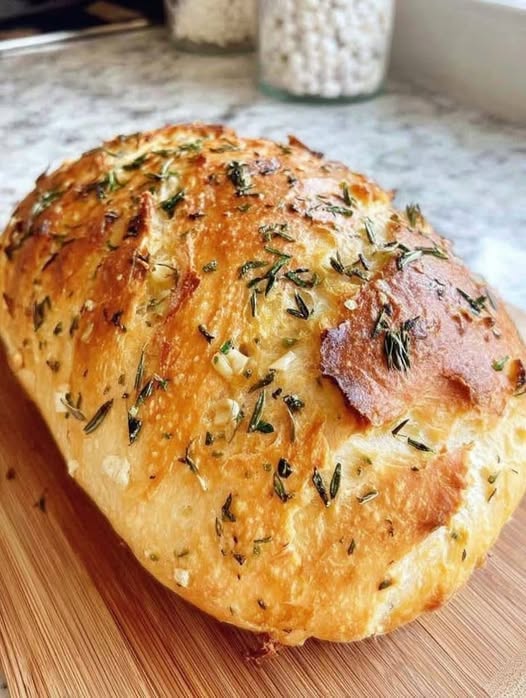
- A crisp golden crust
- A soft interior texture
- A neutral flavor that pairs with both sweet and savory toppings
Because it avoids rich ingredients like butter and eggs, it is also suitable for those seeking dairy-free, budget-friendly, or vegan-style bread alternatives.
Ingredients Explained (Simple Pantry Staples)
This recipe keeps things extremely simple and uses only essential baking components:
- All-purpose flour
- Warm water
- Instant or active dry yeast
- Sugar
- Salt
Each ingredient plays a very important role:
Flour – The Structure Builder
Flour forms the backbone of the dough. All-purpose flour is ideal because it provides the right balance of strength and softness, making it perfect for beginners and everyday home baking.
Water – The Hydration Element
Warm water activates the yeast and binds the flour into a workable dough. Proper hydration is key for creating soft and airy bread without kneading.
Yeast – The Natural Rising Agent
Yeast is what makes the bread rise. As it ferments, it produces carbon dioxide bubbles that create the fluffy texture we love in homemade bread.
Sugar – The Yeast Fuel
A small amount of sugar feeds the yeast, helping it activate faster and ensuring a good rise.
Salt – The Flavor Enhancer
Salt balances the flavor and strengthens gluten structure, improving texture and taste.
Understanding the No-Knead Method (Science Behind the Simplicity)
Traditional bread requires kneading to develop gluten. However, this recipe uses a long fermentation process instead of physical kneading.
Here’s what happens:
- The dough rests for an extended period
- Yeast slowly works through the flour
- Natural gluten development occurs over time
- Air pockets form without manual effort
This technique is widely used in artisan baking and is known for producing rustic, flavorful bread with minimal labor.
Step-by-Step Dough Fermentation Process
Instead of rushing, this recipe relies on time.
Mixing Stage
All ingredients are combined into a soft, sticky dough. Unlike traditional recipes, the dough does not need to be smooth or perfectly shaped.
First Rise (Bulk Fermentation)
The dough is left covered in a warm place. During this time, yeast becomes active and starts producing gas bubbles that expand the dough.
Gluten Development Without Kneading
As the dough rests, natural enzymatic reactions strengthen the dough structure. This is what replaces kneading.
Texture Formation
The dough becomes airy, elastic, and full of bubbles—this is what gives the bread its soft interior.
Baking Transformation: From Dough to Golden Bread
Once the dough has risen sufficiently, it is transferred into a baking container or loaf pan.
During baking:
- Heat expands the air pockets
- The crust forms through caramelization
- The inside becomes soft and fluffy
- The aroma develops a rich bakery-style scent
This is the stage where simple ingredients transform into a beautiful homemade loaf.
Why This Bread Recipe Works So Well
This recipe has become popular across food blogs, Pinterest, and home baking communities because:
- It requires no kneading or special skills
- It is extremely budget-friendly
- It uses basic pantry ingredients
- It works even for beginners
- It produces consistent results
It is also ideal for people who want fresh bread without preservatives or store-bought additives.
Pro Tips for Best Results
To achieve bakery-quality bread at home, follow these simple tips:
- Always use warm (not hot) water to protect yeast
- Allow enough rising time for better texture
- Do not overmix the dough
- Keep dough covered during fermentation
- Bake until the crust turns deep golden brown
These small adjustments can dramatically improve the final result.
Popularity of No-Knead Bread in Modern Kitchens
No-knead bread recipes have gained massive popularity due to their simplicity and reliability. They are commonly searched under keywords like:
- easy homemade bread recipe no kneading
- eggless bread recipe at home
- budget bread recipe
- soft bread without butter
- beginner bread baking guide
This trend reflects a growing interest in simple cooking, homemade meals, and cost-saving recipes.
Final Thoughts on This Simple Homemade Bread
This no-knead bread proves that delicious baking does not require complicated steps or expensive ingredients. With just a few pantry staples and a little patience, anyone can create a soft, fresh, and satisfying loaf at home.
Whether you are a beginner baker or someone looking for a cheap homemade bread alternative, this recipe is a reliable and practical choice.
Part 2: Simple Recipe Format (Quick Overview)
Ingredients:
- All-purpose flour
- Warm water
- Instant or active dry yeast
- Sugar
- Salt
Directions:
- In a bowl, mix all-purpose flour, yeast, sugar, and salt.
- Add warm water and stir until a sticky dough forms.
- Cover and let it rest in a warm place until it doubles in size.
- Once risen, gently transfer into a baking pan.
- Bake in a preheated oven until golden brown on top.
- Let it cool before slicing and serving.
Serving Ideas:
- With butter or jam
- As sandwich bread
- With soups or stews
- For toast or breakfast slices