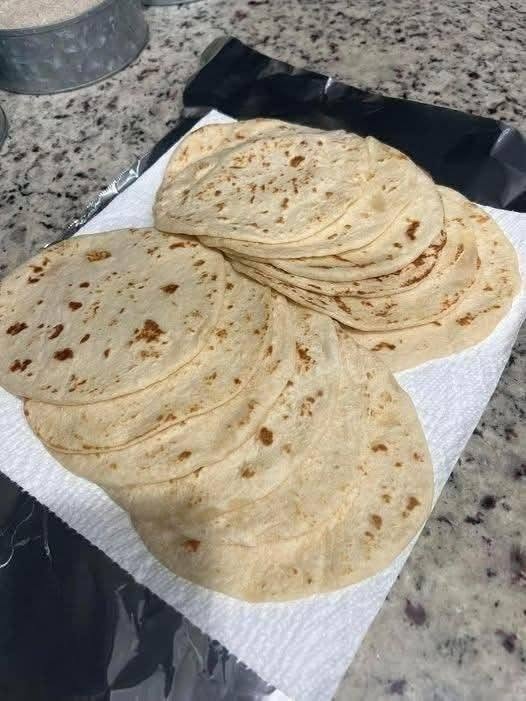
There is something incredibly satisfying about making fresh tortillas at home. The warm aroma, the soft texture, and the ability to customize every ingredient make homemade tortillas a favorite for many families. When you need a gluten-free option, however, finding tortillas that are both soft and flexible can be a challenge. Many store-bought gluten-free tortillas crack, become dry after reheating, or contain preservatives that affect both flavor and texture.
Fortunately, preparing homemade gluten-free flour tortillas from scratch is much easier than many people expect. With the right combination of gluten-free flour, natural binders, and proper cooking techniques, you can make tortillas that are tender, pliable, and strong enough to hold your favorite fillings without falling apart.
Whether you are preparing tacos for Taco Tuesday, rolling breakfast burritos, making sandwich wraps for lunch, or serving fajitas for dinner, these homemade tortillas provide the perfect foundation for countless meals. They are fresh, flavorful, freezer-friendly, and made with pantry staples that are easy to find.
Unlike many commercial products, homemade tortillas allow you to control every ingredient. You can avoid unnecessary preservatives, artificial flavors, excessive sodium, and unwanted allergens while enjoying a fresher taste and softer texture. They are suitable for individuals following a gluten-free lifestyle, people with gluten sensitivity, and anyone looking for delicious homemade bread alternatives.
Why Homemade Gluten-Free Tortillas Are Worth Making
Making tortillas from scratch offers several advantages beyond simply avoiding gluten. Freshly prepared tortillas have a soft texture that is difficult to match with packaged varieties. Because they are cooked just before serving, they remain moist and flexible without relying on additives.
Another benefit is complete control over ingredients. Many store-bought gluten-free wraps include gums, preservatives, refined oils, or sweeteners that may not fit your dietary preferences. Preparing them at home allows you to choose high-quality ingredients while keeping the recipe simple and wholesome.
Homemade tortillas are also incredibly versatile. They work equally well for savory meals and sweet snacks, making them one of the most useful recipes to keep in your kitchen. From lunchboxes to family dinners, these wraps can be adapted to suit almost any occasion.
Additionally, homemade tortillas are often more economical than specialty gluten-free products found in grocery stores. A single batch can produce several tortillas at a fraction of the cost while delivering superior freshness and flavor.
What Makes Gluten-Free Tortillas Soft and Flexible?
Traditional wheat tortillas rely on gluten to create elasticity. Gluten forms a network that traps moisture while allowing the dough to stretch during rolling and cooking.
Without gluten, achieving that same flexibility requires alternative ingredients that perform similar functions.
A balanced gluten-free flour blend provides structure while starches improve tenderness. Natural binders such as psyllium husk and xanthan gum work together to create elasticity, helping prevent cracking and tearing.
Warm water hydrates the flour more effectively than cold water, while a small amount of oil coats the flour particles, resulting in a softer finished tortilla.
Allowing the dough to rest before rolling is another essential step. During this resting period, the flour absorbs moisture evenly and the natural binders fully hydrate, making the dough easier to shape and less likely to crumble.
Cooking time also affects texture. Brief cooking over medium-high heat creates light brown spots while preserving moisture inside the tortilla. Overcooking can quickly dry out gluten-free dough, making the tortillas stiff.
Understanding the Ingredients
Although the ingredient list is relatively short, every component contributes to the final texture and flavor.
Gluten-Free Flour Blend
A quality all-purpose gluten-free flour blend forms the base of the recipe. Blends that combine rice flour with tapioca starch and potato starch generally provide an excellent balance of structure, softness, and flexibility.
Rice flour supplies body, tapioca starch creates chewiness, and potato starch contributes tenderness.
Some flour blends already contain xanthan gum, so it is helpful to check the package before adding additional amounts.
Psyllium Husk Powder
Psyllium husk has become one of the most valuable ingredients in gluten-free baking. When mixed with water, it forms a gel-like structure that improves elasticity and moisture retention.
This natural ingredient helps tortillas bend without cracking and gives the dough a texture that is much easier to work with.
It also helps tortillas remain soft after cooling and during storage.
Xanthan Gum
Xanthan gum acts as a stabilizer and improves the overall structure of gluten-free dough.
Although only a small amount is required, it significantly enhances flexibility while reducing crumbling.
If your flour blend already includes xanthan gum, additional amounts may not be necessary.
Baking Powder
A small quantity of baking powder creates tiny air pockets during cooking.
These air pockets contribute to a lighter texture while making the tortillas softer and more pleasant to eat.
Fine Sea Salt
Salt enhances every ingredient in the recipe.
Beyond improving flavor, it also balances the starches and complements savory fillings beautifully.
Olive Oil or Avocado Oil
Healthy oils add richness while helping keep the tortillas moist.
Olive oil offers a mild fruity flavor, whereas avocado oil has a neutral taste and high smoke point, making it ideal for skillet cooking.
Warm Water
Warm water activates the psyllium husk and hydrates the flour much faster than cold water.
Proper hydration is one of the secrets to achieving smooth, workable dough.
Apple Cider Vinegar
Although only a small amount is used, apple cider vinegar gently strengthens the dough while adding subtle flavor complexity.
Many gluten-free bakers include vinegar because it supports softer baked goods.
Optional Butter
A small amount of melted butter or dairy-free butter creates an even richer flavor and softer bite.
This optional addition is especially nice if the tortillas will be enjoyed warm with butter or used as wraps.
Kitchen Equipment You’ll Need
Preparing homemade tortillas does not require specialized equipment.
A large mixing bowl makes combining the ingredients simple.
A whisk evenly distributes the dry ingredients before the liquids are added.
Measuring cups and spoons ensure consistency from batch to batch.
A rolling pin helps create evenly shaped tortillas.
Parchment paper prevents sticking while rolling the dough.
A cast-iron skillet or quality non-stick pan provides even cooking and attractive golden spots.
Finally, a clean kitchen towel helps trap steam after cooking, keeping the tortillas wonderfully soft.
Step-by-Step Preparation Guide
Preparing gluten-free tortillas becomes easier with practice, and each batch helps you better understand the dough.
Start by combining the dry ingredients thoroughly so the binders are evenly distributed throughout the flour.
Gradually add the warm liquid ingredients while stirring until a shaggy dough forms.
Knead gently until the dough becomes smooth. Unlike wheat dough, gluten-free dough does not require extensive kneading. Only a few minutes are enough to fully combine the ingredients.
Cover the dough and allow it to rest. During this stage, the psyllium husk absorbs moisture while the starches hydrate completely.
After resting, divide the dough into evenly sized portions to ensure consistent cooking.
Roll each portion carefully between sheets of parchment paper until it reaches a uniform thickness.
Heat a dry skillet until hot but not smoking.
Cook each tortilla just long enough to develop light golden spots while maintaining softness.
Immediately stack the finished tortillas and cover them with a towel to trap steam.
This final step makes a noticeable difference in flexibility.
Expert Tips for Success
Consistency is one of the most important factors in successful gluten-free tortillas.
If the dough feels dry, add water only a teaspoon at a time.
If it becomes sticky, lightly dust with additional gluten-free flour rather than adding large amounts.
Roll tortillas evenly so every section cooks at the same rate.
Avoid excessive flour during rolling because extra flour may burn in the skillet.
Maintain medium-high heat throughout cooking.
If the pan is too cool, tortillas become dry before browning.
If the pan is too hot, they may scorch before cooking through.
Always keep unused dough covered while working to prevent moisture loss.
Common Mistakes to Avoid
One of the most frequent mistakes is skipping the resting period.
Without adequate hydration time, gluten-free dough is much more likely to crack during rolling.
Another common issue is rolling tortillas too thin.
Extremely thin tortillas dry quickly and may tear when filled.
Overcooking is another major cause of brittle tortillas.
Remember that gluten-free wraps continue softening slightly after they are stacked and covered.
Finally, avoid refrigerating uncovered tortillas, as exposure to air quickly removes moisture.
Delicious Ways to Enjoy Homemade Gluten-Free Tortillas
Fresh gluten-free tortillas are incredibly versatile.
Fill them with grilled chicken, roasted vegetables, black beans, shredded beef, or seasoned tofu for hearty lunches.
Use them for classic tacos topped with fresh salsa, avocado, lettuce, and cheese.
Create breakfast wraps filled with scrambled eggs, spinach, mushrooms, and breakfast sausage.
Turn them into cheesy quesadillas, crisp tortilla chips, mini pizzas, or healthy lunch wraps.
For dessert, spread almond butter or cream cheese, add sliced bananas or strawberries, sprinkle with cinnamon, and roll into a naturally sweet snack.
Because these tortillas remain soft and flexible, they adapt beautifully to both savory and sweet recipes.
Final Thoughts
Making Homemade Soft Gluten-Free Flour Tortillas from scratch is one of the most rewarding baking projects for anyone following a gluten-free lifestyle. With simple pantry ingredients, a few easy techniques, and a little patience, you can create tortillas that are soft, pliable, flavorful, and far superior to many packaged alternatives. Whether you’re preparing tacos, burritos, wraps, quesadillas, or creative flatbread pizzas, these versatile tortillas provide a delicious foundation for countless meals. Once you’ve experienced the taste and texture of freshly made gluten-free tortillas, they are likely to become a regular staple in your kitchen.
Part 2: Homemade Soft Gluten-Free Flour Tortillas (Printable Recipe)
Recipe Overview
These Homemade Soft Gluten-Free Flour Tortillas are tender, flexible, and easy to prepare with everyday pantry ingredients. They are perfect for tacos, burritos, quesadillas, wraps, fajitas, and even homemade flatbread pizzas. Thanks to a carefully balanced gluten-free flour blend, psyllium husk, and a few simple techniques, these tortillas stay soft, fold easily without cracking, and taste far fresher than most store-bought gluten-free wraps.
Whether you’re cooking for a gluten-free family member or simply looking for a healthier homemade alternative, this recipe delivers reliable results every time.
Recipe Information
- Recipe Name: Homemade Soft Gluten-Free Flour Tortillas
- Cuisine: Mexican-Inspired
- Course: Bread / Wraps
- Difficulty Level: Easy
- Preparation Time: 15 Minutes
- Resting Time: 20–30 Minutes
- Cooking Time: 12–15 Minutes
- Total Time: Approximately 1 Hour
- Yield: 8 Medium Tortillas
- Serving Size: 1 Tortilla
Ingredients
Dry Ingredients
- 2½ cups (about 300 g) gluten-free all-purpose flour blend (rice flour, tapioca starch, and potato starch based)
- 1 teaspoon xanthan gum (leave out if already included in your flour blend)
- 1 tablespoon psyllium husk powder
- 1 teaspoon baking powder
- 1 teaspoon fine sea salt
Wet Ingredients
- 2 tablespoons olive oil or avocado oil
- 1 cup (240 ml) warm water
- 1 teaspoon apple cider vinegar
Optional Ingredients for Extra Flavor
- 1 tablespoon melted butter or dairy-free butter
- ½ teaspoon garlic powder
- ½ teaspoon onion powder
- ½ teaspoon dried oregano
- ½ teaspoon dried parsley
Kitchen Tools You’ll Need
- Large mixing bowl
- Whisk
- Wooden spoon or silicone spatula
- Measuring cups and measuring spoons
- Rolling pin
- Two sheets of parchment paper
- Non-stick skillet or cast-iron pan
- Clean kitchen towel
- Cooling plate
Step-by-Step Instructions
Step 1: Prepare the Dry Mixture
Place the gluten-free flour blend into a large mixing bowl. Add the xanthan gum (if needed), psyllium husk powder, baking powder, and sea salt.
Whisk everything together thoroughly for about one minute. This evenly distributes the ingredients and helps create a consistent dough.
Step 2: Mix the Wet Ingredients
In a separate measuring cup, combine the warm water, olive oil, and apple cider vinegar.
If using melted butter for a richer flavor, stir it into the liquid mixture.
Step 3: Form the Dough
Slowly pour the wet ingredients into the dry mixture while stirring continuously.
Once the dough begins to come together, use your hands to gently knead it for about 2–3 minutes.
The finished dough should feel soft, smooth, and slightly tacky without sticking heavily to your hands.
If the dough feels dry, add warm water one teaspoon at a time.
If it feels overly sticky, lightly dust with additional gluten-free flour.
Step 4: Allow the Dough to Rest
Cover the bowl with plastic wrap, a plate, or a clean towel.
Let the dough rest for 20–30 minutes at room temperature.
This resting period allows the gluten-free flour and psyllium husk to absorb moisture, making the dough much easier to roll and improving flexibility.
Step 5: Divide the Dough
Transfer the dough onto a lightly floured work surface.
Divide it into:
- 8 equal portions for medium tortillas
- 6 larger portions for burritos or wraps
Roll each portion into a smooth ball and keep the remaining dough covered while working.
Step 6: Roll the Tortillas
Place one dough ball between two sheets of parchment paper.
Using a rolling pin, gently roll into a circle measuring approximately 7–8 inches (18–20 cm) in diameter.
Aim for an even thickness of about ⅛ inch.
If small cracks appear around the edges, gently press them together with your fingertips.
Step 7: Heat the Pan
Preheat a dry cast-iron skillet or non-stick frying pan over medium-high heat.
The skillet should be hot enough that a drop of water evaporates quickly, but not so hot that it smokes.
Step 8: Cook the Tortillas
Carefully peel away the parchment paper and place one tortilla into the hot skillet.
Cook for 45–60 seconds until bubbles begin to form.
Flip the tortilla.
Cook the second side for another 30–60 seconds until light golden brown spots appear.
Avoid overcooking, as gluten-free tortillas can dry out quickly.
Repeat with the remaining dough.
Step 9: Keep the Tortillas Soft
Immediately stack each cooked tortilla on a plate.
Cover the stack with a clean kitchen towel.
The trapped steam helps the tortillas stay soft, tender, and flexible.
Serving Suggestions
These gluten-free tortillas are incredibly versatile.
Enjoy them with:
- Chicken tacos
- Beef burritos
- Shrimp tacos
- Grilled vegetable wraps
- Breakfast burritos
- Cheese quesadillas
- Steak fajitas
- Turkey and avocado wraps
- Homemade flatbread pizzas
- Grilled chicken Caesar wraps
- Falafel wraps
- Hummus and roasted vegetable rolls
- Peanut butter and banana wraps
- Cinnamon sugar dessert tortillas
Flavor Variations
Herb Tortillas
Mix into the flour:
- 1 teaspoon dried oregano
- 1 teaspoon dried parsley
- ½ teaspoon garlic powder
Perfect alongside soups and grilled chicken.
Garlic Herb Version
Add:
- 1 teaspoon garlic powder
- ½ teaspoon onion powder
- ½ teaspoon Italian seasoning
Great for sandwich wraps.
Spicy Southwest Tortillas
Mix in:
- ½ teaspoon chili powder
- ½ teaspoon smoked paprika
- Pinch of cayenne pepper
Excellent for tacos and fajitas.
Spinach Tortillas
Blend:
- One handful fresh spinach
- Warm water
Use this mixture instead of plain water for naturally green tortillas.
Whole Grain Option
Replace about ½ cup of the flour blend with:
- Gluten-free oat flour
- Sorghum flour
- Millet flour
This creates a slightly heartier texture with a mild nutty flavor.
Storage Instructions
Refrigerator
Allow tortillas to cool completely.
Store them inside an airtight container or zip-top bag.
They will stay fresh for up to 4 days.
Reheat briefly in a skillet or microwave before serving.
Freezer
Separate each tortilla with parchment paper.
Place them inside a freezer-safe bag.
Freeze for up to 3 months.
Thaw overnight in the refrigerator or at room temperature before reheating.
Reheating Methods
Skillet
Heat for about 20–30 seconds per side.
Microwave
Wrap in a damp paper towel.
Microwave for 15–20 seconds.
Oven
Wrap several tortillas in foil.
Warm at 300°F (150°C) for approximately 10 minutes.
Expert Tips for the Best Gluten-Free Tortillas
- Choose a high-quality gluten-free flour blend for consistent results.
- Measure ingredients accurately using level measuring cups.
- Do not skip the resting time.
- Roll every tortilla to an even thickness.
- Keep unused dough covered while rolling.
- Cook over medium-high heat for the best texture.
- Stack cooked tortillas immediately under a towel.
- Avoid overcooking to prevent dryness.
- If making ahead, reheat briefly before serving to restore flexibility.
Frequently Asked Questions
Why are my tortillas cracking?
The dough may need more moisture, additional resting time, or slightly thicker rolling.
Can I make these dairy-free?
Yes. Simply use olive oil or avocado oil and replace butter with dairy-free butter or omit it entirely.
Can I prepare the dough ahead of time?
Yes. Store the covered dough in the refrigerator for up to 24 hours. Allow it to return to room temperature before rolling.
Which flour blend works best?
A blend containing rice flour, tapioca starch, and potato starch usually produces the softest tortillas.
Can I freeze cooked tortillas?
Absolutely. Layer parchment paper between each tortilla before freezing to prevent sticking.
Approximate Nutrition (Per Medium Tortilla)
- Calories: 150
- Protein: 3 g
- Fat: 4 g
- Saturated Fat: 0.5 g
- Carbohydrates: 26 g
- Dietary Fiber: 2–3 g
- Sugar: Less than 1 g
- Sodium: 220 mg
- Cholesterol: 0 mg (without butter)
Nutrition values are estimates and may vary depending on the ingredients and brands used.
Recipe Notes
- This recipe is naturally gluten-free when prepared with certified gluten-free ingredients.
- Psyllium husk helps create a flexible dough that bends without cracking.
- Warm water improves hydration and makes mixing easier.
- Homemade tortillas are best enjoyed fresh but also freeze exceptionally well for meal prep.
- You can easily double the recipe for larger families or weekly meal planning.