There’s something unforgettable about the smell of warm butter cookies baking in the oven. It fills the kitchen with comfort, nostalgia, and the kind of sweetness that instantly feels like home. These old-fashioned German Rock Cookies are one of those timeless homemade cookie recipes that have been passed down from generation to generation, especially in farmhouse kitchens and family gatherings across America.
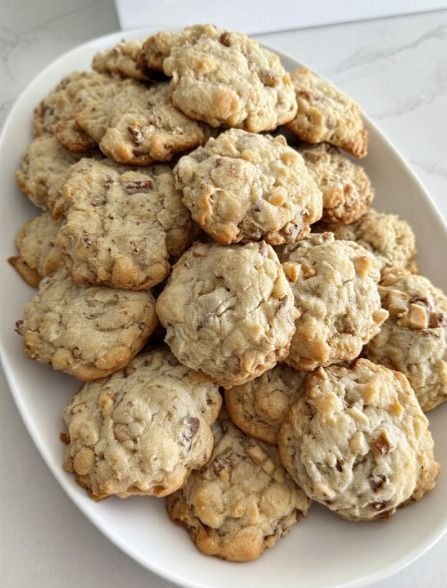
Unlike modern bakery-style cookies loaded with frosting and decorations, these traditional butter sugar cookies are beautifully simple. They are crisp around the edges, soft and tender in the center, and coated in sparkling sugar while still warm from the oven. That final sugary coating creates the signature “rock-like” appearance that gives these cookies their unique name.
This vintage cookie recipe is loved for its rich buttery flavor, delicate crunch, and melt-in-your-mouth texture. Every bite tastes like homemade comfort food from another era. Whether you’re baking for the holidays, preparing treats for a cookie exchange, or simply craving an easy homemade cookie recipe, these classic sugar-coated cookies never disappoint.
Why These German Rock Cookies Are So Popular
One reason these cookies continue to stay popular is because they use simple pantry ingredients while delivering incredible flavor. Many old-fashioned cookie recipes rely on basic baking staples like butter, sugar, eggs, flour, and vanilla, and this recipe proves that you don’t need complicated ingredients to create bakery-quality cookies at home.
These cookies are often compared to butter cookies, tea cookies, or traditional European sugar cookies because of their crisp texture and buttery richness. However, the sugar coating added after baking makes them truly special.
The outside develops a delicate crackled layer while the inside remains tender and rich. They pair beautifully with coffee, hot tea, or a cold glass of milk, making them ideal for afternoon snacks, holiday dessert platters, or cozy weekend baking.
The Heritage Behind German Rock Cookies
Although the exact origin of German Rock Cookies is debated, many food historians believe they are connected to Pennsylvania Dutch baking traditions. The Pennsylvania Dutch community, which has strong German roots, introduced many treasured recipes to American kitchens, including butter cakes, sand tarts, and crisp sugar cookies.
These cookies resemble old European butter biscuits that were traditionally baked for celebrations, church gatherings, and family events. Over time, American home bakers adapted the recipes into what became known as “German Rocks.”
The name may come from their crackled sugar-coated exterior, which gives the cookies a slightly rough appearance after baking. But despite the rugged look, the inside remains wonderfully soft and buttery.
Traditional recipes like this survive because they carry memories. They remind people of grandparents baking in warm kitchens, handwritten recipe cards, and dessert trays shared during holidays.
What Makes These Cookies Different From Regular Sugar Cookies
Many people wonder how German Rock Cookies differ from standard sugar cookies. The answer lies in both the texture and finishing technique.
Classic sugar cookies are usually rolled out and cut into decorative shapes before baking. German Rock Cookies, however, are much simpler. The dough is rolled into small balls and baked until lightly golden.
The true magic happens immediately after baking. While still warm, the cookies are rolled in sugar. This creates a sparkling exterior that hardens slightly as the cookies cool, producing a delicate crisp coating around the buttery center.
The texture is often described as:
- Crisp on the outside
- Soft and tender inside
- Rich and buttery throughout
- Lightly crackled with sugar coating
This combination makes them irresistible.
The Secret to Perfect Butter Cookie Texture
The foundation of these cookies is properly creamed butter and sugar. This step is incredibly important because it introduces air into the dough, creating a lighter texture.
When beating the butter and sugar together, continue mixing until the mixture becomes pale, fluffy, and creamy. This usually takes about two minutes with an electric mixer.
Skipping this step or rushing through it can lead to dense cookies instead of light, tender ones.
Another important detail is avoiding overmixing once the flour is added. Overworked dough can create tough cookies instead of soft buttery ones. Mix just until the ingredients come together.
Why Warm Cookies Are Rolled in Sugar
Rolling warm cookies in sugar may seem simple, but it completely transforms the final result.
As the cookies cool, the sugar coating adheres to the butter-rich exterior, forming a delicate sweet crust. This process gives the cookies their signature sparkle and slightly crisp bite.
Granulated sugar works beautifully, but some bakers like using fine cane sugar for a softer coating. Others mix cinnamon into the sugar for a warm spiced variation.
This step is what separates German Rock Cookies from ordinary butter cookies.
Tips for Baking the Best Homemade Cookies
Use Room Temperature Butter
Softened butter creams more easily with sugar, producing a smoother dough and better texture.
Don’t Overbake
The cookies should look slightly soft in the center when removed from the oven. They continue setting while cooling.
Space Cookies Properly
Leave enough room between dough balls because they spread slightly during baking.
Bake on Parchment Paper
Parchment prevents sticking and encourages even browning.
Roll While Warm
If the cookies cool too much before coating in sugar, the sugar won’t stick properly.
Flavor Variations You Can Try
One of the best things about this easy butter cookie recipe is how customizable it can be while still preserving the traditional flavor.
Cinnamon Sugar Version
Mix cinnamon into the sugar coating for a warm bakery-style finish.
Almond Butter Cookies
Replace part of the vanilla extract with almond extract for a nutty European-inspired flavor.
Nutmeg Spice Cookies
Add a touch of nutmeg for a cozy holiday aroma.
Citrus Butter Cookies
A little lemon or orange zest brightens the buttery richness beautifully.
Holiday Sugar Cookies
Add festive colored sugar coatings during Christmas or special occasions.
Best Occasions for Serving German Rock Cookies
These cookies fit almost every occasion because of their timeless flavor and elegant simplicity.
Holiday Cookie Platters
Their sparkling sugar coating looks beautiful among festive desserts.
Afternoon Tea
The buttery texture pairs perfectly with tea or coffee.
Homemade Food Gifts
Pack them into mason jars, decorative tins, or cellophane bags tied with ribbon.
Family Gatherings
Their nostalgic homemade flavor makes them perfect for reunions and celebrations.
Bake Sales
Because they store well and travel easily, they’re excellent for community bake sales and school events.
Why Homemade Cookies Taste Better
Store-bought cookies often contain preservatives and artificial flavors that can never match the richness of homemade butter cookies.
Freshly baked cookies offer:
- Real butter flavor
- Softer texture
- Fresher aroma
- Better ingredients
- Homemade warmth and nostalgia
There’s also something meaningful about baking from scratch. Mixing dough, shaping cookies, and sharing them with others creates memories that packaged desserts simply cannot provide.
How to Store These Cookies Properly
These cookies stay delicious for several days when stored correctly.
Room Temperature Storage
Place cooled cookies in an airtight container for up to one week.
Refrigerating Dough
The cookie dough can stay refrigerated for three days before baking.
Freezing Instructions
You can freeze baked cookies for up to two months in an airtight container.
For convenience, freeze unbaked dough balls on a tray first, then transfer them to freezer bags. Bake directly from frozen by adding one or two extra minutes to the baking time.
Common Baking Mistakes to Avoid
Using Cold Butter
Cold butter won’t cream properly and can create dense cookies.
Adding Too Much Flour
Extra flour makes cookies dry and crumbly.
Overmixing Dough
Too much mixing develops gluten, resulting in tough cookies.
Overbaking
The cookies should remain pale with lightly golden edges.
Waiting Too Long for Sugar Coating
Warm cookies hold sugar best.
Frequently Asked Questions
Can These Cookies Be Made Gluten-Free?
Yes. A high-quality gluten-free all-purpose flour blend works well in this recipe.
Can I Add Spices?
Absolutely. Cinnamon and nutmeg both complement the buttery flavor beautifully.
What If I Don’t Have Vanilla Extract?
You can substitute almond extract for a slightly different flavor profile.
Why Are They Called German Rock Cookies?
The name likely comes from their German-American heritage and crackled sugar-coated appearance.
The Emotional Connection to Vintage Baking
Old-fashioned recipes carry more than flavor — they carry stories. Recipes like these remind us that baking is often tied to love, family traditions, and shared moments around the kitchen table.
Many people remember watching parents or grandparents bake simple butter cookies from scratch without fancy equipment or complicated techniques. These cookies represent warmth, comfort, and homemade goodness.
In today’s fast-paced world, traditional baking recipes help reconnect us with slower, simpler moments. Measuring ingredients, creaming butter, shaping dough, and waiting for warm cookies to cool can feel surprisingly comforting.
That’s why vintage cookie recipes continue to survive generation after generation.
Part 2: Simple Homemade German Rock Cookies Recipe
Classic German Rock Cookies Recipe
Ingredients
- 1 cup butter, softened
- 1½ cups granulated sugar, divided
- 2 large eggs
- 1 teaspoon vanilla extract
- 2 cups all-purpose flour
- ¼ teaspoon salt
Optional Flavor Additions
- ½ teaspoon cinnamon
- ¼ teaspoon nutmeg
- ½ teaspoon almond extract
- Citrus zest for freshness
Step-by-Step Instructions
Step 1: Whip Butter and Sugar
In a large mixing bowl, beat the softened butter with 1 cup of sugar until pale, creamy, and fluffy. This usually takes about 2 minutes using an electric mixer.
Step 2: Add Eggs and Vanilla
Mix in the eggs one at a time, beating well after each addition. Stir in the vanilla extract until fully combined.
Step 3: Combine Dry Ingredients
Gradually add the flour and salt to the wet mixture. Mix gently until a soft cookie dough forms. Avoid overmixing.
Step 4: Prepare for Baking
Preheat oven to 350°F (175°C).
Line baking sheets with parchment paper.
Roll dough into 1-inch balls using approximately 1 tablespoon of dough per cookie.
Arrange cookies about 2 inches apart on the prepared baking sheets.
Step 5: Bake the Cookies
Bake for 10–12 minutes or until the edges turn lightly golden. The centers may still appear soft, which is perfectly normal.
Step 6: Coat in Sugar
Immediately roll the warm cookies in the remaining ½ cup sugar.
Transfer to a wire rack and allow them to cool completely. As they cool, the cookies develop their signature crisp sugary coating.
Serving Ideas
- Serve with hot coffee or tea
- Pair with cold milk
- Add to holiday dessert trays
- Package as homemade gifts
- Enjoy during family gatherings or afternoon snacks
Storage Tips
Refrigerator
Cookie dough can be refrigerated for up to 3 days.
Freezer
Freeze baked cookies in airtight containers for up to 2 months.
Make-Ahead Option
Freeze unbaked cookie dough balls and bake directly from frozen when needed.