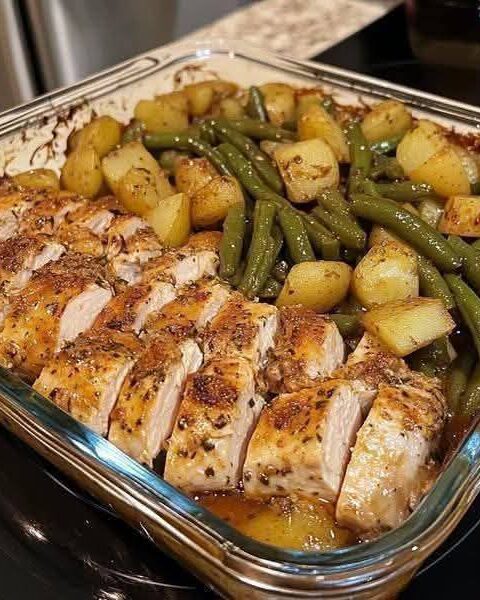
Part 1: Complete Guide to Making a Healthy Vegetable Casserole
A Wholesome Oven-Baked Vegetable Dish for Every Occasion
Few meals are as comforting as a freshly baked vegetable casserole emerging from the oven with a golden, bubbly topping. The combination of colorful vegetables, aromatic herbs, creamy sauce, and melted cheese creates a satisfying dish that feels both nourishing and indulgent. Whether you’re searching for a healthy family dinner, an easy vegetarian casserole, a meal-prep favorite, or a crowd-pleasing side dish, this baked vegetable casserole is a delicious solution.
This recipe transforms everyday vegetables into a hearty oven-baked meal packed with flavor, texture, and nutrition. The creamy yogurt-based sauce keeps the vegetables moist while enhancing their natural taste, and the crispy cheese topping adds the perfect finishing touch.
Why This Vegetable Bake Deserves a Place on Your Table
This healthy vegetable casserole recipe offers numerous benefits beyond great flavor.
Nutrient-Rich Ingredients
Broccoli, cauliflower, carrots, zucchini, mushrooms, bell peppers, and onions provide essential vitamins, minerals, antioxidants, and dietary fiber that support overall wellness.
Excellent Source of Fiber
The combination of vegetables and whole wheat breadcrumbs contributes fiber, helping support digestion and creating a satisfying meal.
Family-Friendly Comfort Food
Even people who are not typically enthusiastic about vegetables often enjoy them when baked in a creamy, cheesy casserole.
Perfect for Meal Preparation
This casserole stores well in the refrigerator and freezer, making it ideal for weekly meal planning and make-ahead dinners.
Versatile and Customizable
The recipe serves as an excellent foundation that can easily be adapted with additional vegetables, proteins, or seasonings.
The Secret Behind a Great Vegetable Casserole
A truly delicious casserole balances three important elements:
- Fresh vegetables
- A flavorful binding sauce
- A crisp golden topping
The vegetables provide natural sweetness and texture. The creamy herb sauce brings everything together while preventing dryness. Finally, the cheese and breadcrumb topping creates a beautifully browned crust that adds crunch to every serving.
Understanding the Vegetables
Broccoli
Broccoli contributes a slightly earthy flavor and tender texture. It is rich in vitamin C, vitamin K, and beneficial plant compounds.
Cauliflower
Cauliflower absorbs surrounding flavors beautifully while adding substance and creaminess to the casserole.
Carrots
Carrots provide natural sweetness, vibrant color, and a pleasant firmness that remains even after baking.
Zucchini
Zucchini adds moisture and a delicate flavor that blends seamlessly with the other ingredients.
Red Bell Pepper
Bell peppers contribute sweetness, color, and additional vitamins while enhancing the casserole’s visual appeal.
Mushrooms
Mushrooms introduce savory umami flavor, giving the casserole extra depth and richness.
Onion
Onion forms the flavor foundation of the dish and becomes wonderfully sweet during baking.
The Role of the Creamy Herb Sauce
Unlike heavy cream-based casseroles, this version uses Greek yogurt as the primary ingredient for the sauce. Greek yogurt offers several advantages:
- Higher protein content
- Lower fat than traditional cream sauces
- Pleasant tangy flavor
- Smooth creamy consistency
Combined with milk, garlic, paprika, and Italian herbs, the sauce coats every vegetable and creates a rich texture without excessive calories.
How Baking Enhances Flavor
Roasting vegetables in the oven naturally concentrates their flavors. As moisture evaporates, the vegetables become sweeter and more flavorful. The cheese melts into the sauce while the breadcrumbs become golden and crisp.
The result is a casserole that tastes far more complex than the simplicity of its ingredients might suggest.
Tips for Choosing the Best Vegetables
For maximum flavor and texture:
- Select firm broccoli with tightly closed florets.
- Choose cauliflower without discoloration.
- Use bright, crisp carrots.
- Pick zucchini that feels heavy for its size.
- Select mushrooms that are firm and dry.
- Choose vibrant bell peppers with smooth skin.
Fresh vegetables generally provide the best texture, although frozen vegetables can also be used successfully.
Proper Vegetable Preparation
Uniform cutting is one of the most important steps in achieving a successful casserole.
When vegetables are cut into similar sizes:
- They cook evenly.
- Texture remains consistent.
- The casserole looks more attractive.
- Every serving contains a balanced mixture.
Aim for bite-sized pieces that are large enough to retain texture but small enough to cook thoroughly.
Creating a Perfect Texture
One common challenge with vegetable casseroles is excess moisture. To avoid this:
- Avoid overcrowding the baking dish.
- Drain thawed frozen vegetables thoroughly.
- Use a shallow casserole dish when possible.
- Allow the casserole to rest after baking.
These simple steps help maintain a creamy, rather than watery, consistency.
Making the Topping Extra Delicious
The topping is often what transforms a good casserole into a memorable one.
Mozzarella cheese creates a gooey, melty texture while Parmesan contributes a rich, nutty flavor. Whole wheat breadcrumbs provide crunch and help create a beautifully browned surface.
For additional texture, the breadcrumbs can be lightly mixed with olive oil before sprinkling them over the casserole.
Serving Suggestions
This versatile vegetable casserole can be served in many ways.
As a Main Course
Pair it with:
- Crusty whole-grain bread
- Fresh green salad
- Roasted vegetables
As a Side Dish
Serve alongside:
- Grilled chicken
- Roast turkey
- Baked fish
- Lean beef dishes
Meal Prep Advantages
This casserole is ideal for busy households because it can be prepared ahead of time.
Simply assemble the casserole, cover it, and refrigerate for up to 24 hours before baking. This allows flavors to develop while saving valuable cooking time later.
Storage and Leftovers
One of the best things about this recipe is how well it stores.
Refrigeration
Keep leftovers in an airtight container for up to 5 days.
Freezing
Freeze portions for up to 3 months. Proper wrapping helps maintain quality and flavor.
Reheating
Reheat in the oven for the best texture, or use the microwave for quick individual servings.
Easy Customization Ideas
Mediterranean Version
Add:
- Feta cheese
- Spinach
- Kalamata olives
Mexican-Inspired Version
Add:
- Black beans
- Sweet corn
- Cheddar cheese
- Taco seasoning
Protein-Packed Version
Include:
- Cooked chicken
- Turkey
- Chickpeas
- White beans
Vegan Adaptation
Substitute:
- Plant-based yogurt
- Vegan cheese alternatives
Health Benefits of This Vegetable Bake
This healthy baked vegetable casserole is naturally rich in:
- Dietary fiber
- Protein
- Vitamin C
- Vitamin A
- Potassium
- Calcium
- Antioxidants
Because it uses Greek yogurt instead of heavy cream, it provides a lighter alternative to many traditional comfort-food casseroles.
Why This Recipe Works Every Time
The success of this casserole comes from balancing nutrition, flavor, and convenience. Fresh vegetables create a colorful foundation, the yogurt sauce adds creaminess without heaviness, and the cheese topping provides irresistible comfort-food appeal.
Whether served at a family dinner, holiday gathering, potluck, or weekday meal, this vegetable casserole delivers warmth, flavor, and wholesome satisfaction in every bite.
Part 2: Easy Vegetable Casserole Recipe
Recipe Overview
Preparation Time: 20 minutes
Cooking Time: 40–45 minutes
Total Time: 1 hour 5 minutes
Yield: 8 servings
Ingredients
Vegetable Mixture
- 2 cups broccoli florets
- 2 cups cauliflower florets
- 2 medium carrots, sliced
- 1 zucchini, diced
- 1 red bell pepper, chopped
- 1 cup mushrooms, sliced
- 1 small onion, finely diced
Creamy Herb Sauce
- 1 cup plain Greek yogurt
- ½ cup milk
- 2 garlic cloves, minced
- 1 teaspoon Italian seasoning
- ½ teaspoon paprika
- ½ teaspoon salt
- ¼ teaspoon black pepper
Crispy Cheese Topping
- 1 cup shredded mozzarella cheese
- ¼ cup grated Parmesan cheese
- ½ cup whole wheat breadcrumbs
Optional Garnish
- Fresh parsley, chopped
- Fresh chives, chopped
Equipment
- Large mixing bowl
- Small mixing bowl
- 9×13-inch baking dish
- Measuring cups and spoons
- Cutting board
- Chef’s knife
Instructions
Step 1: Prepare the Oven
Preheat the oven to 190°C (375°F).
Lightly grease a 9×13-inch baking dish.
Step 2: Mix the Vegetables
Place broccoli, cauliflower, carrots, zucchini, bell pepper, mushrooms, and onion into a large bowl.
Toss gently until evenly distributed.
Step 3: Prepare the Sauce
In a separate bowl, whisk together:
- Greek yogurt
- Milk
- Garlic
- Italian seasoning
- Paprika
- Salt
- Black pepper
Mix until smooth and creamy.
Step 4: Assemble the Casserole
Pour the sauce over the vegetables.
Stir until all vegetables are thoroughly coated.
Transfer the mixture to the prepared baking dish and spread evenly.
Step 5: Add the Topping
Evenly sprinkle:
- Mozzarella cheese
- Parmesan cheese
- Whole wheat breadcrumbs
over the surface.
Step 6: Bake
Bake at 190°C (375°F) for 40–45 minutes or until:
- Vegetables are tender
- Cheese is melted
- Top is golden brown
Step 7: Rest and Serve
Remove from the oven.
Allow the casserole to rest for 5–10 minutes before serving.
Garnish with parsley or chives if desired.
Nutrition (Approximate Per Serving)
- Calories: 180
- Protein: 10g
- Carbohydrates: 15g
- Fat: 8g
- Saturated Fat: 3g
- Fiber: 4g
- Sugar: 5g
- Sodium: 280mg