A Cozy Homestyle Classic That Defines True Comfort Cooking
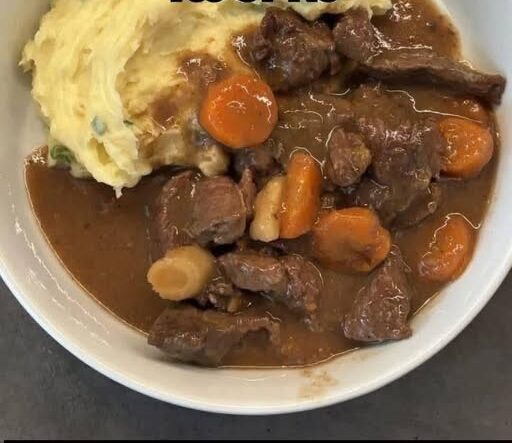
When it comes to hearty comfort food recipes, nothing compares to a warm bowl of slow-cooked beef stew served over creamy mashed potatoes. This timeless dish is a staple in many households because it brings together everything people love about home cooking—rich flavor, tender meat, silky gravy, and smooth buttery potatoes that melt in your mouth.
This version of beef stew with mashed potatoes is designed to deliver deep, slow-developed flavor using simple pantry ingredients. As the beef simmers gently over low heat, it transforms into fork-tender bites that absorb all the savory richness of herbs, broth, garlic, and vegetables. The mashed potatoes act as the perfect base, soaking up every drop of gravy for a satisfying, restaurant-quality finish.
This recipe is especially popular as a:
- Easy family dinner idea
- Cold weather comfort meal
- Make-ahead meal prep recipe
- Classic Sunday dinner favorite
- Hearty one-pot dinner solution
If you are searching for the best homemade beef stew recipe with mashed potatoes, this step-by-step guide ensures perfect results every time.
Why This Beef Stew and Mashed Potatoes Recipe Works So Well
This dish is more than just a meal—it is a complete comfort experience. Each component is carefully layered for maximum taste and texture.
You will love this recipe because it is:
- Deeply flavorful and slow-cooked for richness
- Made with simple, affordable ingredients
- Perfect for large family servings
- Ideal for freezing and reheating later
- Balanced with protein, vegetables, and carbs
- Naturally thickened for a silky gravy
- Designed for beginner-friendly cooking
The combination of tender beef chunks + rich gravy + creamy mashed potatoes creates a complete meal that feels both rustic and gourmet.
Understanding the Key Ingredients and Their Role
Beef Chuck Roast (The Star of the Dish)
The best cut for this recipe is beef chuck roast because it contains natural marbling and connective tissue. During slow cooking, this collagen breaks down and turns into gelatin, creating:
- Ultra-tender meat
- Rich, silky gravy
- Deep beef flavor
This is what gives restaurant-style stews their signature texture.
Vegetables: Carrots, Celery, and Onion
These classic stew vegetables are essential for building flavor:
- Carrots add natural sweetness
- Celery adds depth and aroma
- Onion builds a savory base
As they cook, they soften and blend into the gravy, enriching every bite.
Garlic and Tomato Paste for Flavor Depth
Garlic enhances aroma while tomato paste adds a slightly tangy, concentrated richness that deepens the stew’s color and taste.
Beef Broth (The Flavor Foundation)
A good-quality beef broth creates the base of the gravy, ensuring:
- Bold savory taste
- Smooth texture
- Long-simmered richness
Herbs and Seasoning Blend
A classic combination of:
- Bay leaves
- Dried thyme
- Dried rosemary
- Worcestershire sauce
These ingredients create a traditional herb-infused beef stew flavor profile that feels warm and aromatic.
Mashed Potatoes (The Creamy Base Layer)
Made with Yukon Gold or Russet potatoes, butter, milk, salt, and pepper, the mashed potatoes provide:
- Creamy texture
- Buttery richness
- Perfect gravy absorption
Kitchen Equipment You Will Need
To achieve the best results for this easy beef stew recipe, you will need:
- Heavy-bottom pot or Dutch oven
- Large saucepan for potatoes
- Potato masher
- Wooden spoon
- Sharp knife and cutting board
- Measuring cups and spoons
A heavy pot is important because it distributes heat evenly and supports slow simmering.
Step-by-Step Cooking Method Explained in Detail
Step 1: Preparing the Beef for Maximum Flavor
Start by drying the beef cubes thoroughly. This step is essential because moisture prevents proper browning.
Mix flour, salt, and black pepper, then coat the beef evenly. This helps:
- Create a golden crust
- Add flavor layers
- Naturally thicken the stew later
This small step significantly improves the final texture of your homemade beef stew gravy.
Step 2: Browning the Beef Properly
Heat olive oil in a heavy pot over medium-high heat. Add beef in batches to avoid overcrowding.
Brown each side for several minutes until deeply colored.
This process, known as the Maillard reaction, builds:
- Rich roasted flavor
- Dark, appealing color
- Restaurant-style depth
Remove the beef and set aside.
Step 3: Building the Flavor Base with Vegetables
In the same pot, cook onion, carrots, and celery until softened. This step lifts all the browned bits from the pan, creating natural flavor intensity.
Add garlic and cook briefly until aromatic.
Step 4: Enhancing with Tomato Paste
Stir in tomato paste and cook for a minute or two. This step caramelizes the paste slightly, making the stew richer and more complex.
Step 5: Creating the Stew Base
Return the beef to the pot and add:
- Beef broth
- Worcestershire sauce
- Bay leaves
- Thyme
- Rosemary
Mix well and bring to a gentle simmer.
This forms the foundation of your rich slow-cooked beef stew recipe.
Step 6: Slow Cooking for Tender Perfection
Cover and cook on low heat for 2 to 2½ hours.
During this time:
- Beef becomes fork-tender
- Flavors deepen and blend
- Gravy thickens naturally
Slow cooking is the secret behind authentic old-fashioned beef stew recipes.
Step 7: Finishing Touch with Peas
Add frozen peas during the last 10 minutes to preserve their color and texture.
Preparing Creamy Mashed Potatoes
Boil peeled and cubed potatoes in salted water for 15–20 minutes until soft.
Drain well, then mash with:
- Butter
- Warm milk
- Salt
- Black pepper
For extra smooth potatoes:
- Mash while hot
- Use warm milk
- Avoid overmixing
This creates the perfect creamy mashed potatoes recipe for stew pairing.
How to Serve Like a Restaurant Dish
Spoon mashed potatoes into a bowl, pour beef stew over the top, and finish with extra gravy.
Optional garnish:
- Fresh parsley
- Black pepper
- Butter pat
This presentation enhances both flavor and visual appeal.
Texture and Flavor Expectations
A perfectly cooked version should deliver:
- Beef: tender and juicy
- Gravy: thick, rich, and silky
- Vegetables: soft but structured
- Potatoes: creamy and fluffy
Flavor profile:
- Deep savory base
- Herbal aroma
- Slight sweetness from vegetables
- Buttery finish
Common Cooking Problems and Fixes
- Tough meat: needs longer simmering
- Thin gravy: simmer uncovered briefly
- Bland taste: adjust salt and herbs
- Sticky potatoes: avoid overmixing
Storage and Reheating Tips
- Refrigerate up to 4 days
- Freeze stew up to 3 months
- Reheat slowly on stovetop for best texture
Add a splash of broth if needed.
SEO Keywords Included Naturally
best beef stew recipe, homemade mashed potatoes, slow cooked beef stew, easy comfort food dinner, hearty beef stew with gravy, classic mashed potatoes recipe, winter dinner ideas
Part 2: Simple Recipe Version
Ingredients
For Beef Stew
- 2 pounds (900g) beef chuck roast, cut into 1½-inch cubes
- 2 tablespoons all-purpose flour
- 1 teaspoon salt
- ½ teaspoon black pepper
- 2 tablespoons olive oil
- 1 large onion, diced
- 3 cloves garlic, minced
- 3 carrots (300g), sliced
- 2 celery stalks, sliced
- 2 tablespoons tomato paste
- 4 cups (960ml) beef broth
- 1 tablespoon Worcestershire sauce
- 2 bay leaves
- 1 teaspoon dried thyme
- 1 teaspoon dried rosemary
- 1 cup (150g) frozen peas
For Mashed Potatoes
- 2½ pounds (1.1kg) Yukon Gold or Russet potatoes, peeled and cubed
- ½ cup (115g) unsalted butter
- ¾ cup (180ml) warm milk
- 1 teaspoon salt
- ½ teaspoon black pepper
Method
- Coat beef with flour, salt, and pepper.
- Brown beef in hot oil, then set aside.
- Cook onion, carrots, celery, and garlic.
- Add tomato paste and cook briefly.
- Return beef, add broth, herbs, and Worcestershire sauce.
- Simmer 2–2½ hours until beef is tender.
- Add peas in last 10 minutes.
- Boil potatoes until soft, then drain.
- Mash with butter, warm milk, salt, and pepper.
- Serve stew over mashed potatoes.