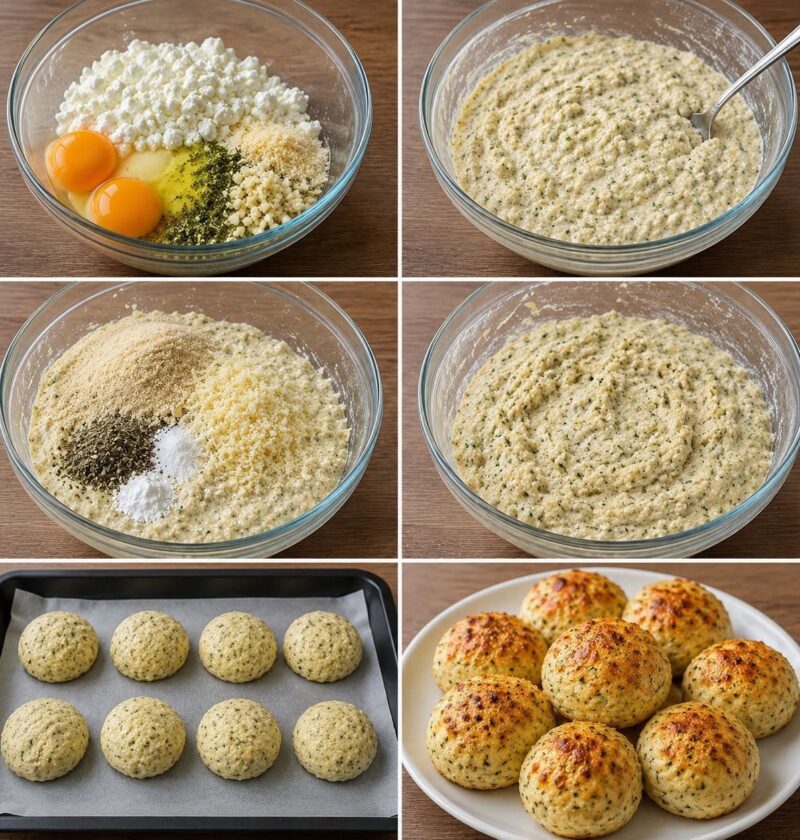
Part 1: Complete Guide to Making Bakery-Style Cottage Cheese Garlic Butter Rolls
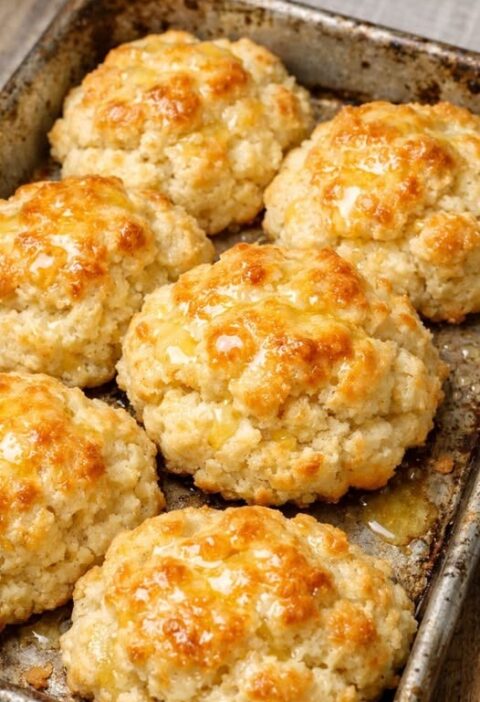
There is something truly special about homemade bread fresh from the oven. The aroma of warm yeast dough, melted butter, and roasted garlic filling the kitchen creates an experience that few baked goods can match. These Soft Cottage Cheese Garlic Butter Rolls combine the comfort of traditional dinner rolls with the richness of creamy cottage cheese and the irresistible flavor of garlic butter. The result is a batch of fluffy pull-apart rolls with a tender texture, golden crust, and savory buttery finish.
Unlike standard bread rolls, cottage cheese adds extra moisture and protein to the dough. This simple ingredient helps create a softer crumb while keeping the rolls fresh for longer. The cheese blends seamlessly into the dough, contributing richness without making the bread heavy. Combined with yeast fermentation, butter, and milk, the result is an incredibly soft roll that practically melts in your mouth.
These homemade garlic butter rolls are perfect for family dinners, holiday gatherings, potlucks, soup nights, or weekend baking projects. They pair beautifully with pasta dishes, roasted meats, salads, and hearty stews. Their pull-apart texture also makes them an excellent choice for serving at parties or sharing around the dinner table.
Why Cottage Cheese Makes Bread Extra Soft
Many bakers use ingredients such as yogurt, sour cream, milk powder, or cream cheese to enrich bread dough. Cottage cheese works in a similar way while providing a unique balance of moisture and protein.
When blended until smooth, cottage cheese becomes a creamy ingredient that mixes easily into dough. During baking, its moisture helps prevent the bread from drying out, while its protein content contributes to a delicate and tender structure. The result is bread that stays soft and fluffy even after cooling.
Another benefit of cottage cheese is its mild flavor. It enhances richness without overpowering the taste of the bread. Instead, it works quietly in the background, helping create a bakery-quality texture that feels luxurious with every bite.
The Secret Behind Light and Airy Rolls
Soft dinner rolls depend on several key factors working together. The first is properly activated yeast. Yeast creates carbon dioxide during fermentation, forming tiny air pockets throughout the dough. These pockets expand during baking, producing a light and fluffy interior.
The second factor is hydration. Milk, butter, egg, and cottage cheese contribute moisture that keeps the dough soft and workable. A slightly sticky dough generally produces softer bread than a dry dough.
The third factor is proper proofing. Allowing the dough enough time to rise develops flavor and texture. The first rise builds structure, while the second rise creates the final volume that gives the rolls their cloud-like softness.
Finally, brushing the rolls with garlic butter before and after baking enhances flavor while helping maintain a tender crust.
Choosing the Best Ingredients
The quality of ingredients plays a major role in achieving the best results.
Flour
All-purpose flour works exceptionally well for these rolls. It provides enough gluten development for structure while maintaining softness. Bakers who prefer an even lighter texture may add a small amount of bread flour or vital wheat gluten.
Cottage Cheese
Full-fat cottage cheese is recommended for maximum richness and moisture. Blending it until smooth ensures even distribution throughout the dough and prevents noticeable curds.
Milk
Warm milk helps activate the yeast and enriches the dough. It should feel comfortably warm rather than hot, as excessive heat can damage yeast cells.
Butter
Butter contributes flavor, softness, and tenderness. Unsalted butter allows better control over the overall salt level of the recipe.
Egg
Egg provides structure, color, and richness. It also helps create a finer crumb texture.
Garlic
Fresh garlic offers the strongest aroma and flavor. Finely minced garlic distributes evenly through the butter coating and infuses every roll with savory goodness.
Fresh Herbs
Parsley is a classic choice for garlic bread. It adds freshness, color, and visual appeal while balancing the richness of the butter.
Understanding Yeast Activation
Successful bread making begins with healthy yeast. Combining yeast with warm milk and a small amount of sugar encourages activation. After several minutes, the mixture should become foamy and slightly expanded.
This simple step confirms that the yeast is active and capable of creating a proper rise. If little or no activity appears, the yeast may be expired or the liquid temperature may have been unsuitable.
Creating a Smooth and Enriched Dough
One of the most important steps in this recipe is ensuring the cottage cheese blends completely into the dough. Processing or blending the cheese before mixing creates a smooth consistency that distributes evenly throughout the mixture.
Once combined with flour, milk, egg, butter, and yeast, the dough should feel soft and slightly tacky. Avoid adding excessive flour. A moderately hydrated dough produces a more tender final product.
The dough may appear softer than traditional bread doughs due to the moisture contributed by the cottage cheese. This is completely normal and helps create the signature texture of these rolls.
Kneading for the Perfect Texture
Kneading develops gluten, which provides elasticity and structure. However, over-kneading can make enriched doughs tougher than desired.
The goal is a smooth, elastic dough that stretches without tearing easily. Whether kneading by hand or using a stand mixer, focus on achieving a soft and supple texture rather than a stiff one.
A properly kneaded dough should feel smooth, slightly tacky, and easy to handle.
First Rise: Building Flavor and Structure
During the first rise, yeast produces gases that expand the dough while developing flavor compounds. This stage is essential for creating light, airy rolls.
Place the dough in a lightly greased bowl and cover it to prevent drying. A warm, draft-free environment encourages consistent fermentation.
Depending on room temperature, the dough typically doubles in size within one to two hours. Patience during this stage is rewarded with better flavor and texture.
Preparing Flavor-Packed Garlic Butter
While the dough rises, prepare the garlic butter mixture.
Melted butter serves as the base, while freshly minced garlic provides bold flavor. A pinch of salt enhances the savory profile, and chopped parsley contributes freshness.
Some bakers enjoy adding grated Parmesan cheese or shredded mozzarella for additional richness and depth. These optional additions create an even more indulgent finish.
Allowing the garlic to sit in the warm butter briefly helps release its aromatic oils, intensifying the overall flavor.
Shaping Beautiful Pull-Apart Rolls
After the first rise, gently press the dough to release excess gas. Divide it into equal portions to ensure even baking.
To shape each roll, pull the outer edges toward the center and tuck them underneath. This technique creates surface tension that encourages an attractive rounded shape.
Arrange the dough balls in a greased baking dish with slight spacing between them. As they rise and bake, they will expand into one another, creating the classic pull-apart style loved by home bakers.
Second Rise: The Key to Maximum Fluffiness
Many bread recipes rise twice for a reason. The second proofing stage allows the dough to relax and expand further after shaping.
Skipping this step often results in denser rolls. Giving the shaped dough adequate time to puff up creates the soft, airy texture associated with professional bakery rolls.
During this stage, lightly brush the tops with garlic butter to begin layering flavor before baking.
Baking Until Golden and Fragrant
Preheating the oven ensures even baking from the moment the rolls enter the heat.
As the rolls bake, the yeast rapidly expands before the structure sets. The tops gradually develop a beautiful golden-brown color while the interior remains soft and tender.
A fully baked roll should feel light, sound slightly hollow when tapped, and display an internal texture filled with delicate air pockets.
The Finishing Garlic Butter Glaze
Immediately after baking, brush the hot rolls generously with additional garlic butter.
This final coating melts into the warm bread, enhancing moisture and flavor while creating a glossy finish. The garlic aroma becomes even more pronounced, making the rolls nearly impossible to resist.
For extra visual appeal, sprinkle with fresh parsley and a light dusting of grated cheese.
Serving Suggestions
These garlic butter cottage cheese rolls are versatile and pair well with many meals.
Popular serving ideas include:
- Pasta dinners
- Creamy soups
- Chicken dishes
- Roasted vegetables
- Holiday feasts
- Barbecue spreads
- Family-style dinners
- Appetizer platters
They can also be enjoyed on their own as a snack thanks to their rich garlic butter flavor.
Storage and Reheating Tips
Store leftover rolls in an airtight container at room temperature for up to two days or refrigerate for several days.
To restore freshness, warm them briefly in the oven or microwave. A light brush of melted butter before reheating helps recreate the just-baked experience.
These rolls also freeze well. Allow them to cool completely before freezing, then thaw and warm when needed.
Final Thoughts
Soft Cottage Cheese Garlic Butter Rolls offer everything bread lovers desire: a fluffy interior, rich buttery flavor, aromatic garlic topping, and exceptional moisture. The cottage cheese creates remarkable tenderness, while proper fermentation develops an airy structure that feels light despite its richness.
Whether served alongside dinner, shared at celebrations, or enjoyed straight from the baking dish, these bakery-style pull-apart rolls deliver comfort, flavor, and homemade goodness in every bite.
Part 2: Soft Cottage Cheese Garlic Butter Rolls
Yield
12–15 rolls
Preparation Time
20 minutes
Rising Time
1½–2 hours
Baking Time
20–25 minutes
Ingredients
For the Dough
- 3½ cups all-purpose flour
- 1 tsp salt
- 1 tbsp sugar
- 2¼ tsp active dry yeast or instant yeast
- ¾ cup warm milk
- 1 cup cottage cheese, blended until smooth
- 1 large egg, beaten
- 3 tbsp unsalted butter, melted
- 2 tbsp milk powder (optional)
- 1 tbsp vital wheat gluten (optional)
For the Garlic Butter Topping
- 4 tbsp unsalted butter, melted
- 4–5 garlic cloves, finely minced
- ¼ tsp salt
- 2 tbsp fresh parsley, chopped
- 2 tbsp grated Parmesan cheese (optional)
- 2 tbsp shredded mozzarella cheese (optional)
Instructions
Step 1: Activate the Yeast
In a bowl, combine warm milk, sugar, and yeast. Let sit for 5–10 minutes until foamy.
Step 2: Prepare the Dough
In a large mixing bowl, combine flour, salt, milk powder, and vital wheat gluten if using.
Add blended cottage cheese, beaten egg, melted butter, and the activated yeast mixture.
Mix until a soft dough forms.
Step 3: Knead
Knead for 8–10 minutes until smooth and elastic. The dough should remain soft and slightly tacky.
Step 4: First Rise
Place dough in a lightly greased bowl. Cover and let rise in a warm place until doubled in size, about 1–1½ hours.
Step 5: Make Garlic Butter
Mix melted butter, garlic, salt, parsley, and optional cheeses in a small bowl. Set aside.
Step 6: Shape the Rolls
Punch down the dough and divide into 12–15 equal pieces.
Shape each piece into a smooth ball and place in a greased baking dish.
Step 7: Second Rise
Brush lightly with garlic butter.
Cover and let rise again for 30–45 minutes until puffy.
Step 8: Bake
Preheat oven to 375°F (190°C).
Bake for 20–25 minutes or until golden brown.
Step 9: Finish and Serve
Remove from oven and immediately brush with remaining garlic butter.
Sprinkle with extra parsley or grated cheese if desired.
Serve warm and enjoy.
Recipe Notes
- Blend cottage cheese thoroughly for the softest texture.
- Do not over-flour the dough.
- A warm proofing environment improves rise and softness.
- Fresh garlic provides the best flavor.
- These rolls freeze and reheat beautifully.